
You must have heard the term, Map sensor sometimes at the mechanic’s shop. Perhaps, even during the time when your car salesperson is describing the various features of a vehicle. Have you ever wondered, what does a map sensor do exactly? Let us first understand that.
Detailed Guide: What Does A Map Sensor Do? Importance of Map SensorsHow Does a Map Sensor Work?Different Uses of Map Sensor 1. Determines Fuel Consumption 2. Determines Fuel Delivery 3. Adjusting with the Changing Environment 4. To Tell the RPM Difference 5. MAP V/s. MAF Sensor Understanding the Advantages and Disadvantages of Map Sensors A. Advantages of Map Sensors B. Disadvantages of Map Sensors ConclusionMAP sensor stands for the words – Manifold Absolute Pressure sensor and serves the function of detecting or measuring an internal combustion engine’s electronic control system. They provide manifold pressure data to the engine’s electronic control unit (ECU).
While we have a basic understanding of what does a map sensor do, here is why it is most important:
When the engine of a vehicle is not running, the pressure of the intake manifold is the same as the exterior barometric pressure. However, as soon as the engine starts; vacuum is generated, and there is more pressure around the intake manifold.
The vacuum inside an engine ranges from situation to situation. It can range from 0 to 22 inches or more. It depends on the operating condition the car is in. It may be at sea level or above sea level like a mountain where more oxygen is required.
At the time of ignition, the powertrain control module (PCM) turns to the MAP sensor for data. The data is determined by the MAP sensor according to the atmospheric pressure, as mentioned previously.
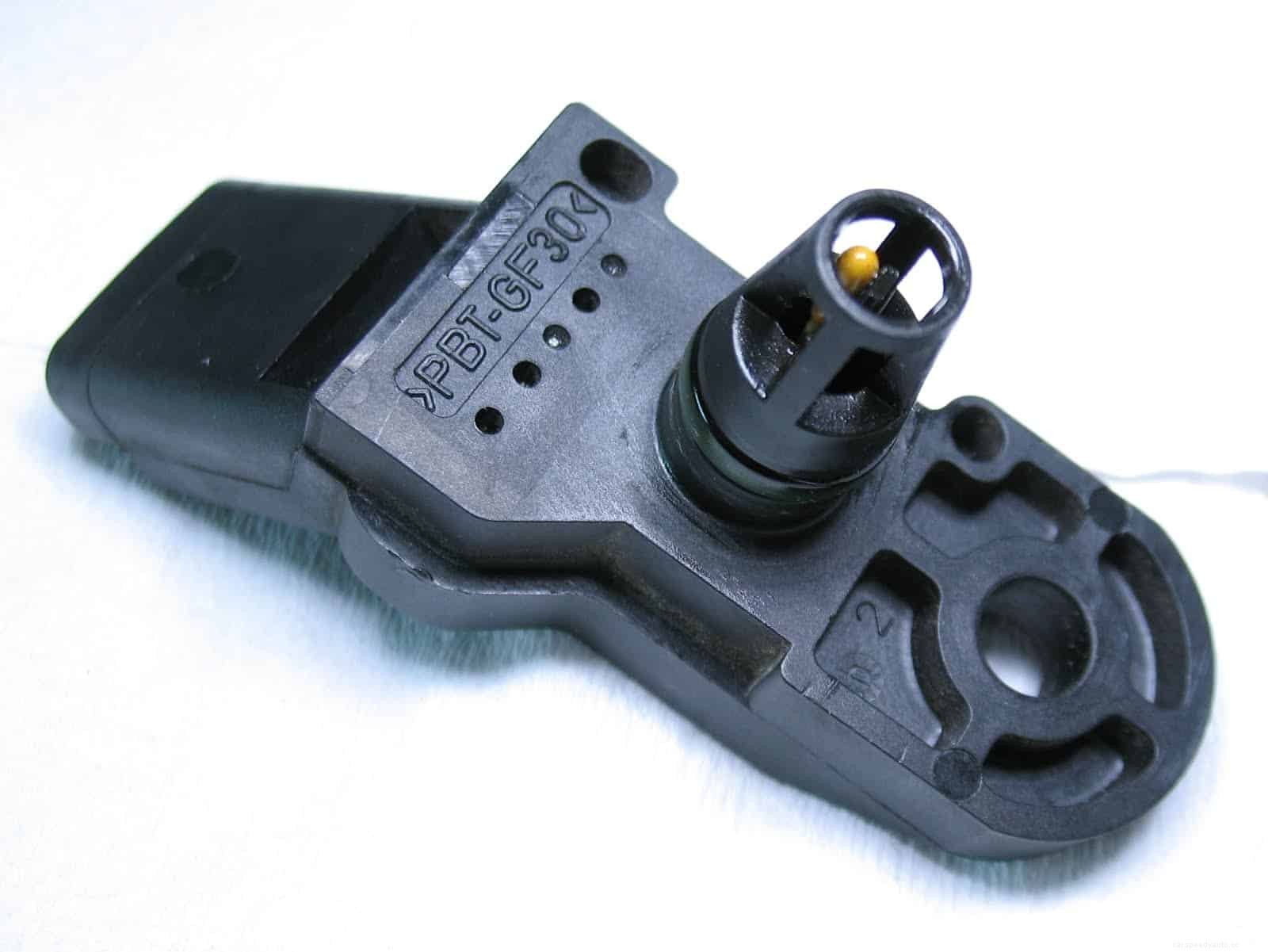
Photo Credit: https://www.yourmechanic.com/article/symptoms-of-a-bad-or-failing-manifold-absolute-pressure-sensor-map-sensor
Following given are the essential elements that MAP sensors consider before estimating the data:
How can we figure what does a map sensor do exactly and what are its actual uses? Following given are some of its uses:
Numerous fuel-injected engines make use of different systems to determine how much the engine has consumed fuel. Among the many, MAP is one such sensor that facilitates sending signals of pressure directly to the engine’s computer.
It is after this that the computer manages to make use of the information to calculate the vehicle’s air mass flow rate and air density. These two components are significant in adding to the productive output of any given vehicle.
It is after this that the computer can predict how much fuel is required for the best combustion rate.
There are several factors which play a major role when it comes to determining your engine’s fuel delivery. Elements like the engine speed or RPM, air temperature and air – to – fuel ratios all comprise an imperative part of this procedure.
The vehicle naturally accelerates faster when you provide it with abundant gas. Your desired speed thereby also depends on how fast your engine can run.
As you may be able to understand, MAP sensor utilizes these elements in determining the accurate information. The amount of gas to be pumped into the cylinder essentially depends on the data provided by MAP.
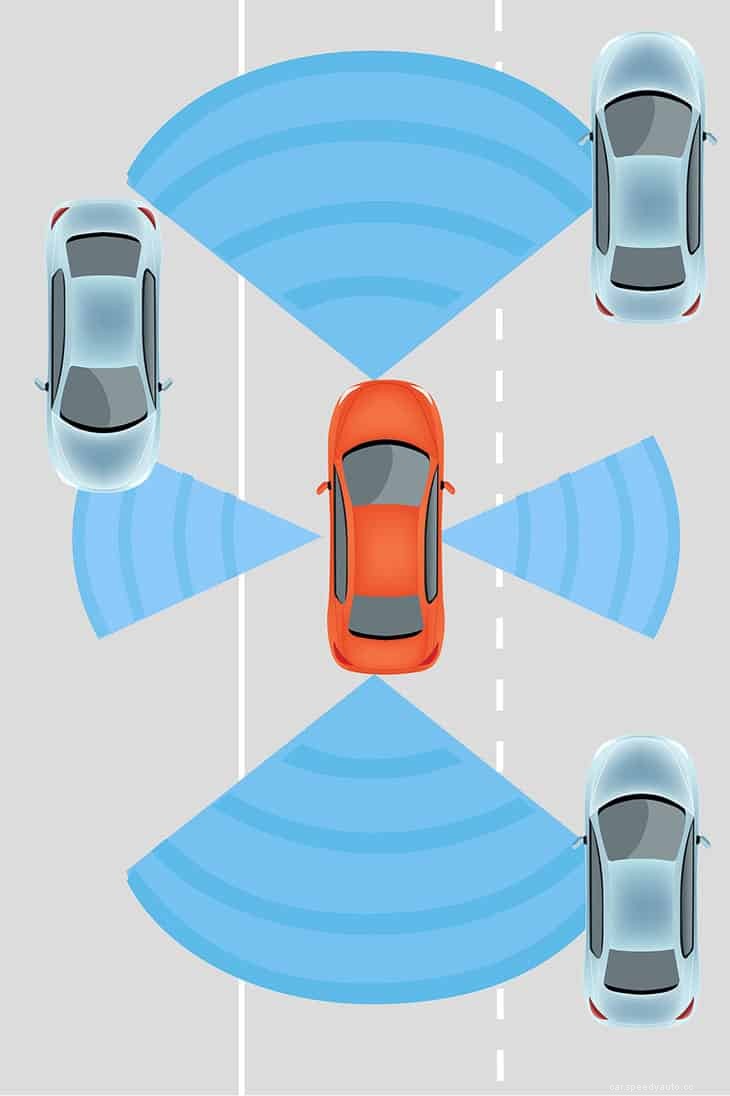
You may require normal fuel bumping in a city. However, requirements change when the car is traveling let’s say, on a high mountain. The car consumes more fuel in such an environment. Thus, the air – to – fuel ratio obviously differs.
MAP sensors deliver the respective requirement. MAP sensors supply relevant information to the engine, and the driver is kept informed of the same.
MAP sensor’s values change with the change in the number of activities in the car. The MAP sensor will showcase a 60kPa with an RPM of 1800. However, if you turn the air conditioning on; there is a slight difference in the outcome.
To send the proper signal to the computer, MAP sensors are essential.
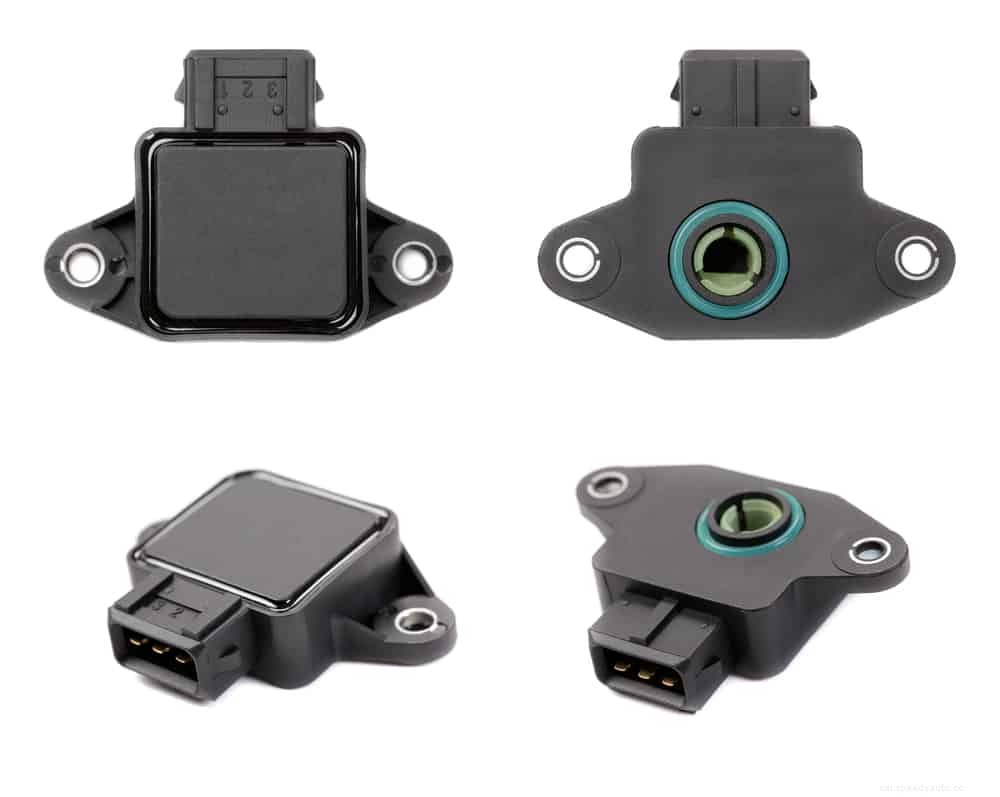
Photo Credit: http://my206xr.blogspot.in/2010/05/peugeot-206-map-sensor.html
Many times, experts face the difficult question of which type of sensor is better for an engine. While, Mass Air Flow sensor or MAF sensor are fueled directly by both, mass air flow and speed-density calculations; MAP sensors calculate the density of air by measuring the temperature first.
MAF sensors are easier to tune. However, MAP sensors require lesser restriction when it comes to intake tract. People have experienced consistency with MAF.
Now that you are aware of what does a map sensor do exactly make sure you invest substantial time into deciding the right type and model. We hope this information regarding Map sensors proves valuable to you. If you have any questions, do leave a comment.
