
Mercury is a division of Ford Motor Company, America. It manufactures a range of automobiles under the brand Mercury Sable. It has been marketed in North America, from 1986 to 2005 and again from 2008 to 2009. It is a counterpart of Ford Taurus and a replacement of the middle-sized Mercury Marquis. It is sold exclusively as a sedan. The Sable was sold through five generations.
The First generation was sold from 1986 to 1991, the Second generation from 1992 to 1995, the Third generation from 1996 to 1999, the Fourth generation from 2000 to 2005 and the Fifth generation from 2008 to 2009.
The transmission of a car is a complex mechanical system that transmits power from the engine to the engine shaft. Compared to other parts of your car, this system is subjected to more wear and tear because of the heat and friction generated by its many interacting and moving components.
If you find any distinct sounds or sensation in the transmission system, you should be alerted that there is something wrong with the functionality of your car. It is high time to solve transmission problems. The following are the major problems
List of Major Mercury Sable Transmission Problems 1. Lack of Response2. Leaking of Low fluid3. Humming, Whining and Clunking4. Burning Smell5. Grinding and Shaking6. Check Engine Light7. Refusal to go into Gear8. Transmission becoming Noisy in Neutral9. Dragging Clutch10. Slipping of Gears11. Solenoid Transmission ProblemsRepairs and replacement of transmission are quite expensive and need a specific skill. Therefore, to make your transmission last longer and perform better, you should stick to the recommended maintenance procedure. The most common Mercury sable transmission problems mentioned above are elaborated below.
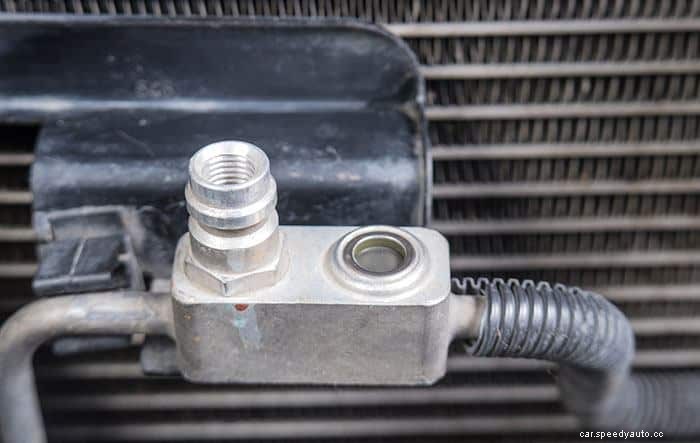
Photo Credit: https://www.ericthecarguy.com/kunena/8-Service-and-Repair-Questions-Answered-Here/45709-need-help-2002-mercury-sable-problems-with-idle
While in the driving mode, the car does not go into gear. In an automatic transmission, when you try to shift into drive or park, there is a delay before the gear is engaged. The same problem remains in a manual transmission. But the car does not move as fast as the engine sounds like. Replace the clutch.
The Automatic transmission fluid conditions and cleans and lubricates the seals. It does not burn nor is consumed by a car. It is bright red and smells sweet. If you find it becomes dark and has a burnt smell, changing or fluxing the same is required. Check the level of the fluid by the dipstick. If you find the level lower, there is leakage. Top up the fluid away.
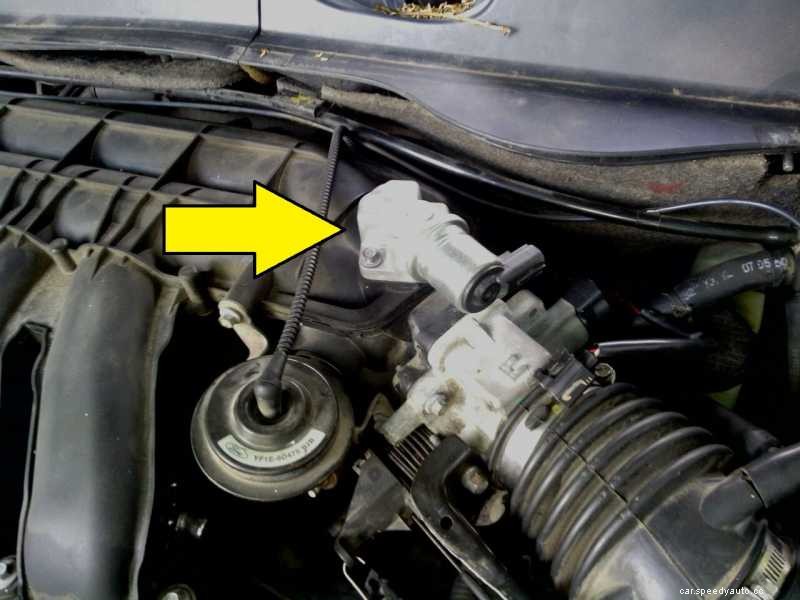
Photo Credit: https://www.youtube.com/watch?v=7r01_13uh7w
If you hear a buzzing, humming or clunking sound, it may be due to problems in the transmission. The manual transmission may make louder, mechanical or abrupt sound. The clunking sound may come while shifting the gears. If the clunking sound is coming from the underside of the car, there may be a problem in the differential.
The transmission system becomes too hot if the fluid breaks down because of the increased corrosive activities and friction. This may happen due to the buildup of additional debris or sludge. This may also be caused due to a lower level of fluid or poor quality of the fluid. Frequently check the level of the liquid.
You may feel shaking or jerking while shifting into gear. Any grinding sound may be due to a problem with the gear. If the grinding sound comes after engaging the clutch, the clutch is either required to be adjusted or replaced. Worn out Gear synchronization may also be a reason.
The check engine light is located on the dashboard of your car. It indicates if something wrong is going to happen or has already happened to the transmission system of your car. The sensors placed in different areas of the car engine alerts the computer of any unusual activity. The sensors can sense the slightest vibration or jerking. Get it thoroughly inspected.
If the car does not shift even after engaging the clutch, check the level of the fluid and ensure that it is at the right level. Other possible causes can be the incorrect density of the fluid, clutch linkage or Shift cables.
If the transmission becomes noisy or goes bump in neutral, add some more fluid or change it. If that does not work, take your car to a professional for replacing worn out parts such as bearings, reverse idler gear or worn out gear teeth.
In a manual transmission, the clutch disk does not integrate the flywheel when the clutch pedal is pressed. You may hear grinding noise when you change the gears
If the gear is slipping or popping into neutral, spontaneously, it is a serious safety risk. It may be due to broken or worn-out gear. Replace it.
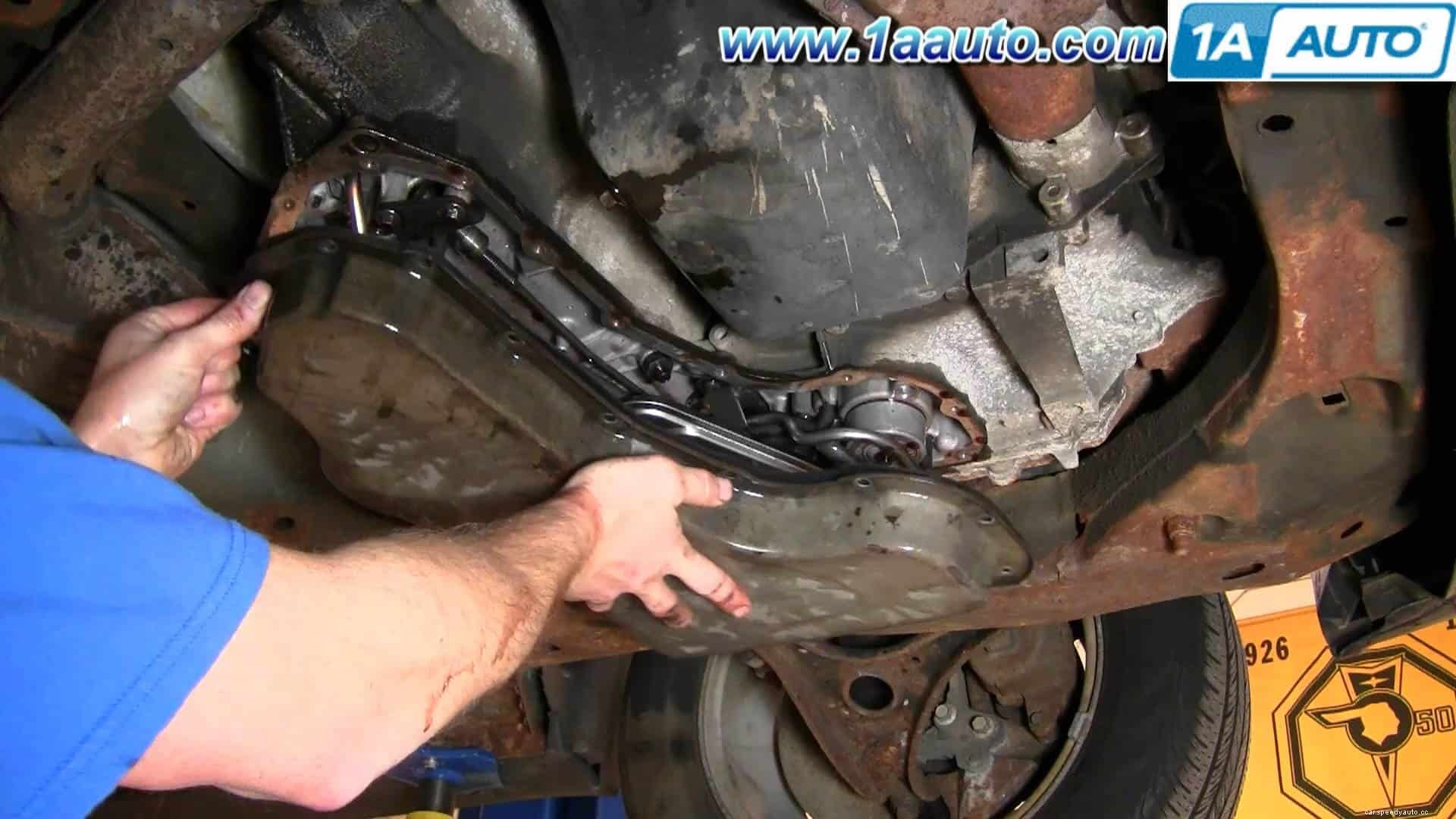
Photo Credit: https://www.youtube.com/watch?v=7r01_13uh7w
The transmission solenoid is responsible for controlling the flow of the transmission fluid. The solenoid opens and closes the desired gear. The transmission solenoid remains closed for the first and second gear. As a result, it prevents the fluid from entering into the gears when accelerating. It needs replacement or complete overhauling. The Transmission Control Module sends to the solenoid pack. Problems may arise because of programming errors, leading to jerk or stall. This may also be due to seeping of fluid from the vents into the solenoid pack.
Many Technical Service Bulletin (TSB) and consumer reports have cited problems with Geo Tracker. Here is how you can solve GEO Tracker transmission problems. The most common problems are as below.
You can solve GEO tracker transmission problems by resorting to any of the following
If you keep a regular maintenance schedule, you can avoid expensive repairs. It is, therefore, most essential that you must have the basic knowledge about the transmission problems.
