
Are you terrified of getting a scratches on your car, even when doing everything the right way? Good news and bad news. Most cars will get a scratch but there are ways to remove them. This guide will help you get rid of scratches you may see.
Car scratches can feel painful when you have put so much effort into making your car look nice. If your car is your baby, you want to make sure it's well taken care of. Scratch will occur as a result of various situations, such as:
Even a minor scratch on your car could ruin its overall appearance and make you disappointed. If you take it to a car body shop to apply a new coat of paint or a minimal touch-up, it could cost quite a bit.
We will give you options for using rubbing compounds to remove scratches all by yourself. This will bring back your car's appeal.
Lighter scratches
Deeper Scratches
When you see a scratch in your paint you'll first need to evaluate the type of scratch it is. If the scratch is light you shouldn't be able to feel it grab as you move your finger nail over the scratch. This mean use can use rubbing compound by itself.
A deeper scratch will grab you finger nail as you move it over the scratch. This usually means that some sanding may be required.
A deep scratch or chip that goes down to the paint surface or car body, will need to be filled in with touch up paint and or touch up clear coat. A dealer may be able to provide you with the correct paint touch up color, or you can try to match the color with a touch up kit.
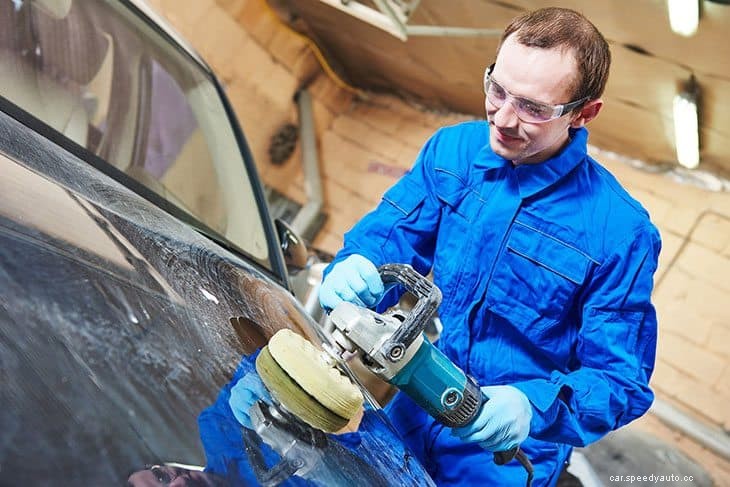
Get the following items ready to use when removing a scratch from your car:
Light Scratch:
Deep Scratch:
Below Clear Coat Scratch or chip:
By keeping all the above necessary items ready, you are all set to remove the scratch by yourself. But of course, you need to follow certain techniques to use them efficiently. This guide will teach you how to use rubbing compound to get rid of scratches.
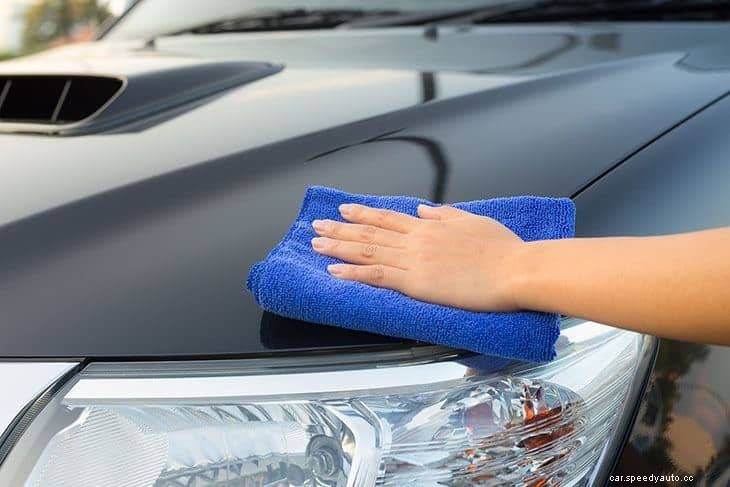
Before you apply the rubbing compound, you have to clean the area which has the scratch, so that the rubbing compound can work well on the scratch. With a little extra effort, you can clean the entire car surface, which is similar to getting two things done in one shot.
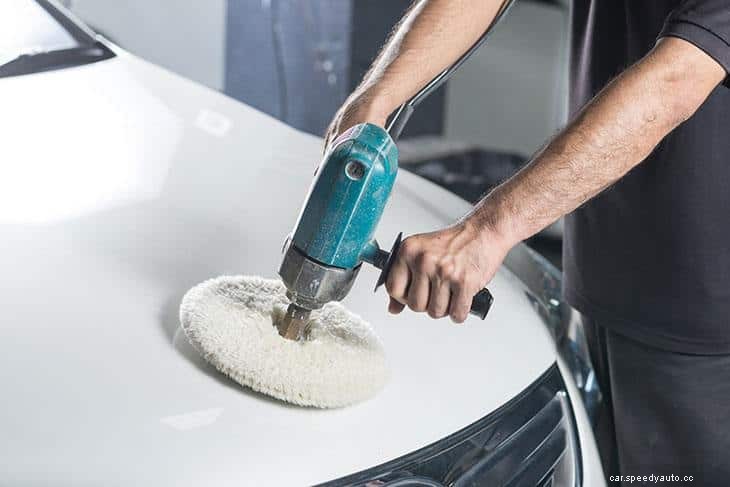
(If you have a light scratch or down to the metal scratch or chip, you can skip this step)
Some scratches wont respond to rubbing compound until the scratch is sanded down. Our goal is to make the scratch invisible. To achieve this, we are going to remove part of the clear coat until we get to the scratch layer. Fine grit sandpaper will help you slowly remove a bit of the clear coat.
We should not sand below the scratch layer, or we may remove the clear coat. Some people use a dark or light shoe polish to fill in the scratch. Then, as you sand you can start to see the scratch go away.
In order to get a better result on your finish use 5000 grit sand paper to help smooth out the scratches of the sandpaper and blend the area into the surrounding paint.
(If you have a down to the metal scratch or chip, you can skip this step)
Let us see how to use rubbing compound after you have sanded (if needed) the area and everything is smooth.
Using an buffing machine method:
Using your hand:
It's important to use a separate the wool pad when spreading the rubbing compound and use a separate one for waxing the car surface.
It is also necessary to remove the rubbing compound completely using a towel before going to the next step.
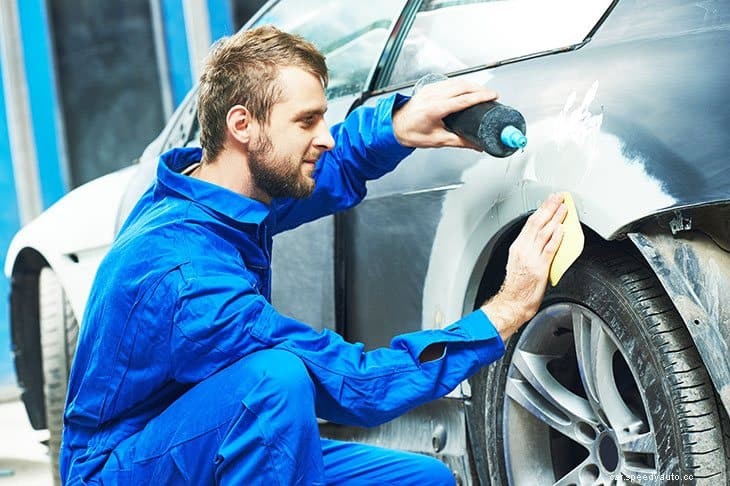
Polishing:
After cleaning off any rubbing compound, you can use another wool pad and polish the surface. This isn't necessary but may help the overall shin.
Painting:
If you have a scratch that goes down to the metal, it is easiest to use a touch up kit or putty and paint. A chip or scratch wont respond to rubbing compound if it goes down to the paint or metal. Although if it goes down to the paint, you may be able to use just an application of clear coat. Here's a video with more information.
Wax:
It important to protect the area you applied rubbing compound to. If you sanded, using a paste wax works best. If you had a light scratch any wax should work fine. Now you can step back and enjoy your hard work!
The above steps will help you remove scratches if you have followed the steps properly. You can remove light scratches easily and deeper scratches with some time and patience.
As you learn, you experience will grow, and you can master the art of scratch removal. If you successfully follow the steps above, you can look confidently at the work you did by yourself and enjoy a you beautiful paint finish. For more information on keeping your car in its best condition use the search bar or go to the article posts.
