
I never think about my breaks until a service center says that it’s time to replace them. Brakes are a critical component on your car but they are usually maintenance free until they need to be replaced.
The best brakes for your vehicle are one specifically sized to your car or truck. Knowing the correct size and what your budget is will help you choose a good option. The best brakes are the same or close to the same as the car manufacturer suggests for you to use.
The times I’ve had to stop on a dime are the times I was glad my brakes worked so well. I tend to drive at normal speeds and don’t drive on hills to much, so regular rotors and brake pads work fine for me. Others will want higher performing brake components for more demanding conditions.
Quick Navigation How do You Know if they are Good Brakes?Brake PadsRotors / Disc BrakeAfter Market, OE / OEM, and Original PartsBrake Pads CharacteristicsCeramicSemi-metallicOrganicRotor CharacteristicsSteel RotorsIron RotorsAluminum RotorsShould I Replace my Rotors with my Brake Pads? The Best Brakes Parts for Your Car Will Match how Aggressive you will be DrivingProblems with Over Braking (Riding the Brakes)Are bigger brakes Better?Conclusion
Brakes are comprised mainly of the brake pads and rotors. You can choose to get the low cost option for both brake pads, and rotors and you will likely be fine with getting your car to stop well, although it’s best to use the type of brake pads suggested by your car manufacturer.
Brake pads and rotors need to meet certain specifications from the manufacturer of the vehicle in order operate correctly. Some car manufacturers will install ceramic brake pads, others use semi metallic brake pads.
Although most manufacturers use organic brake pads from the factory, probably because they are cheap and get the job done. If you have a heavier car, it may have semi metallic brake pads because these offer better stopping for larger vehicles.
To find out if the brakes you are going to buy are good, consider what they were made. Consider the quality of the product compared with others that you are looking at. It may be difficult to find all the information you need, but with some searching you will find pertinent information.
Here are some things to look for when buying brake rotors and pads.


A ceramic brake pad may be used on a lighter car for good stopping and lower cost of maintenance for your car, since it won't wear your rotors as fast. A brake pad may say it's ceramic, but different companies will put different parts and mixtures in the ceramic, making it perform differently from another ceramic pad.
Doing a little research will help you find the materials used in the brake pad and how costumers rate the performance of the pads. Search online for the specific brand and part to find more information.
The different types of materials in brake pads may impact stopping power, heat absorption, and rotor wear. Brake pads come in ceramic, semi-metallic, and organic. Here's some examples of each type and their characteristics
Brake Pad Type
>Examples
>Description & Longevity
>Noise Level
& Braking Power
>Temperature
& Rotor Wear
>Ceramic brake pads use ceramic mixed with other fibers to increase friction.
They can last for long periods.
>>>>>Low Noise level generally
They have good stopping power.
>>>>>Generally work best at warmer outside temperatures
Generally cause low rotor wear
Semi-metallic brake pads use resin and metallic fibers to increase friction.
They can last for average periods.
>>>>>Some noise generally
They have very good stopping power.
>>>>>Generally work well at any outside temperature
Generally cause high rotor wear
Made of resins, glass, rubber, carbon, and Kevlar.
They last for shorter periods.
>>>>>Low to average noise level generally
They have average stopping power.
>>>>>Generally work well at warm temperatures.
Generally cause low rotor wear.
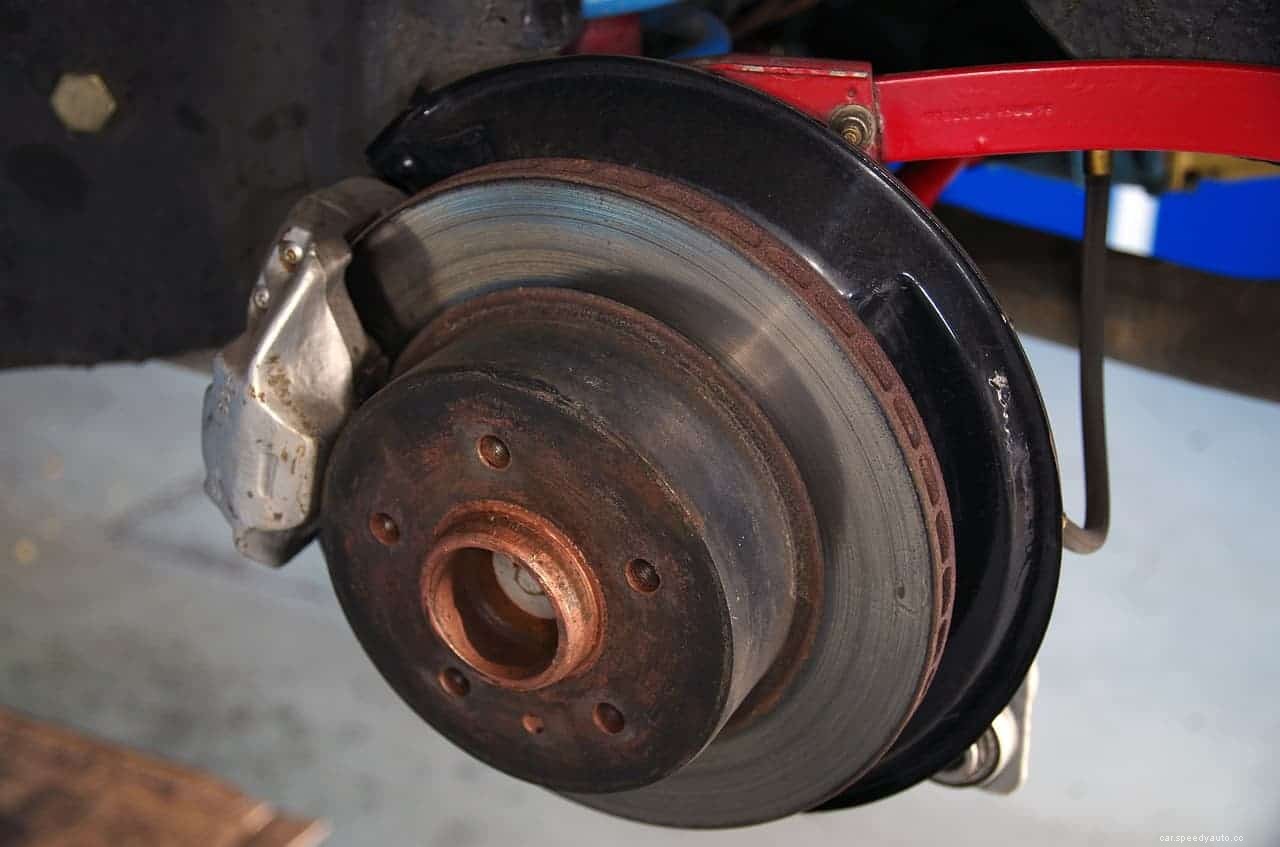
A rotor is made from iron or steel. There are different grades of iron that can be used, so each rotor can perform differently. Most rotors use recycled steel or iron and come with a flat, non drilled surface from the manufacturer.
When driving in snowy conditions, rust may be a concern. You may want to get a coated rotor to help prevent corrosion. An iron rotor can usually provide more braking power than a steel one, even though steel is stronger.
While iron may crack under extreme braking conditions with high heat and develop harden areas, and steel may warp. Both brakes under normal conditions will work well.
Steel wears longer than iron and will be less likely to rust. Iron, will cost less and can usually stop vehicles better.
When shopping for rotors, you can find steel rotors that are drilled because they are less likely to crack than iron would.
So to sum up the positive characteristic of iron and steel rotors:
>

Made of recycles steel. Perform extremely well under normal driving conditions when drilled and slotted.


Made from iron. Performs well under normal conditions.


Made from aluminum and other materials. May performs better than steel and iron under normal conditions.


When car brake pads are replaced, the rotors are often replaced at the same time. It makes sense to do this because the new brake pads need a flat surface to lye on but the rotor is not longer flat because of the wear from the previous brake pad.
You can resurface the rotor but that may result in more expense, since resurfacing cost almost the same as some rotors and doesn't leave much life on the rotor before it needs to be replaced. Check with the mechanic to determine cost of replacing it now vs resurfacing and replacement later.
If you replace later consider that you have to take the car in again at an additional cost to replace the rotor and they will probably want to replace the brake pads because they are no longer flat and will impact stopping ability.
When the brakes get hot, this can increase the wear on the brake pad and may cause glazing and cracks on the pads, and rotors may warp. Under normal conditions a car's brake system won't be taxed too much and heat related issues shouldn't be a problem.
If you are planning on using the brakes often when driving or are involved with heavy braking often, such as with racing, getting brakes and pads that help reduce heat would be helpful. Also consider the quality of the product and recognized that better made parts will stand up to the heat better.
When researching rotors, look to see if you can get a high quality iron rotor because this will impact the performance of the rotors and give them a better ability to handle the heat. Steel rotors can be good as well but may warp under intense heat.
When researching brake pads you usually find that a higher tier pads will preform better than the pads from the car manufacturer. Try to get pads that have been galvanized to prevent rust for and ensure they can last longer without failing.
Here are some brake pads and rotors that claim to handle the heat well.
Drilled and slotted Rotors
Slotted Rotors
Carbon-Fiber Ceramic Brake Pads
Semi-Metallic Brake Pads
Drilled rotors may help with heat, but also not effective when too much heat is present. The slotted areas also help with heat and can help a bit with stopping power.
The vented middle section helps cool the rotor.
The slotted areas help with heat and can help a bit with stopping power.
The vented middle section helps cool the rotor.
The stainless steel shims are supposed to provide better heat dissipation.
The pad itself is a carbon-fiber ceramic, so it can provide stopping power.
The sound isolating shims are supposed to provide heat dissipation.
The pad itself is semi-metallic, so it can provide good stopping power.
If you are driving under normal conditions, you should be fine with a part from the car manufacturer, OEM, or a trusted brand. Most any product will work well, although you may want to get the rotor or brake pad that has the characteristics that best suit your driving conditions and specific needs.
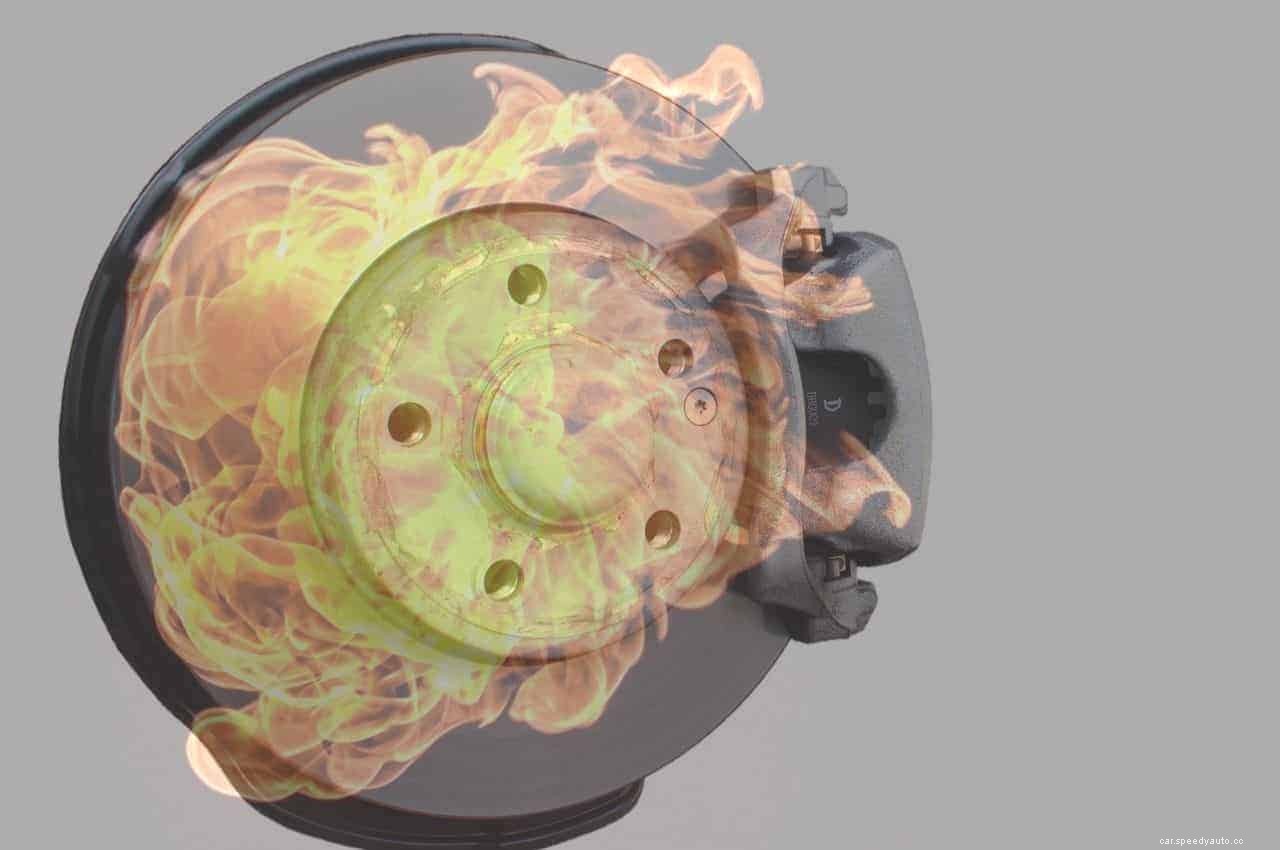
If a driver is using the brakes a lot, such as truck drivers going down hill that need to slow down and they are using the brakes until they are too hot, cracks and glazing can occur. Aggressive braking when racing a car can also create these conditions.
Glazing is when the brakes heat up and the surface where the brake pads touches the rotor is glazed. This prevents the brake pad from applying enough friction to stop the car normally. If you see smoke come from the brakes or hear noises as you brake, it's time to check for glazing or cracks.
You can ask a mechanic to inspect the brakes. They may recommend replacing the brakes and rotors for safety reasons. Some people still use their brakes after glazing, until the glazed part is rubbed off by friction. Others try sanding the glaze off. Either way, your brakes are not as effective until they are flush with the rotor surface.
Cracks occur when heat and pressure cause the brake pad to split at one or more places. This is a problem that requires the brake pad to be replaced.
You don't want part of the brake pad to fall off and ruin your brakes. To prevent problems with cracking make sure to stay within the limits of normal braking and make sure there is no undue pressure coming from brake line or calipers.
The best ways to solve heat related issues is to reduce heat by allowing the brakes to cool down, get high quality brake pads and rotors, divert airflow under the car so it can cool the brakes, and get the brake system checked by a mechanic or yourself to ensure brake pads are wearing down correctly and everything is working properly.
If you plan on driving with constant use of the brakes, such as braking down hills often, determine if you need to take precautionary methods to cool down the brakes.
The brake pads and rotors can determine part of the heat build up. Consider the material used in your brake pads and rotors and how that will impacts heat, and stopping distance. Although the best solution is preventative. Try driving under normal condition as much as possible.
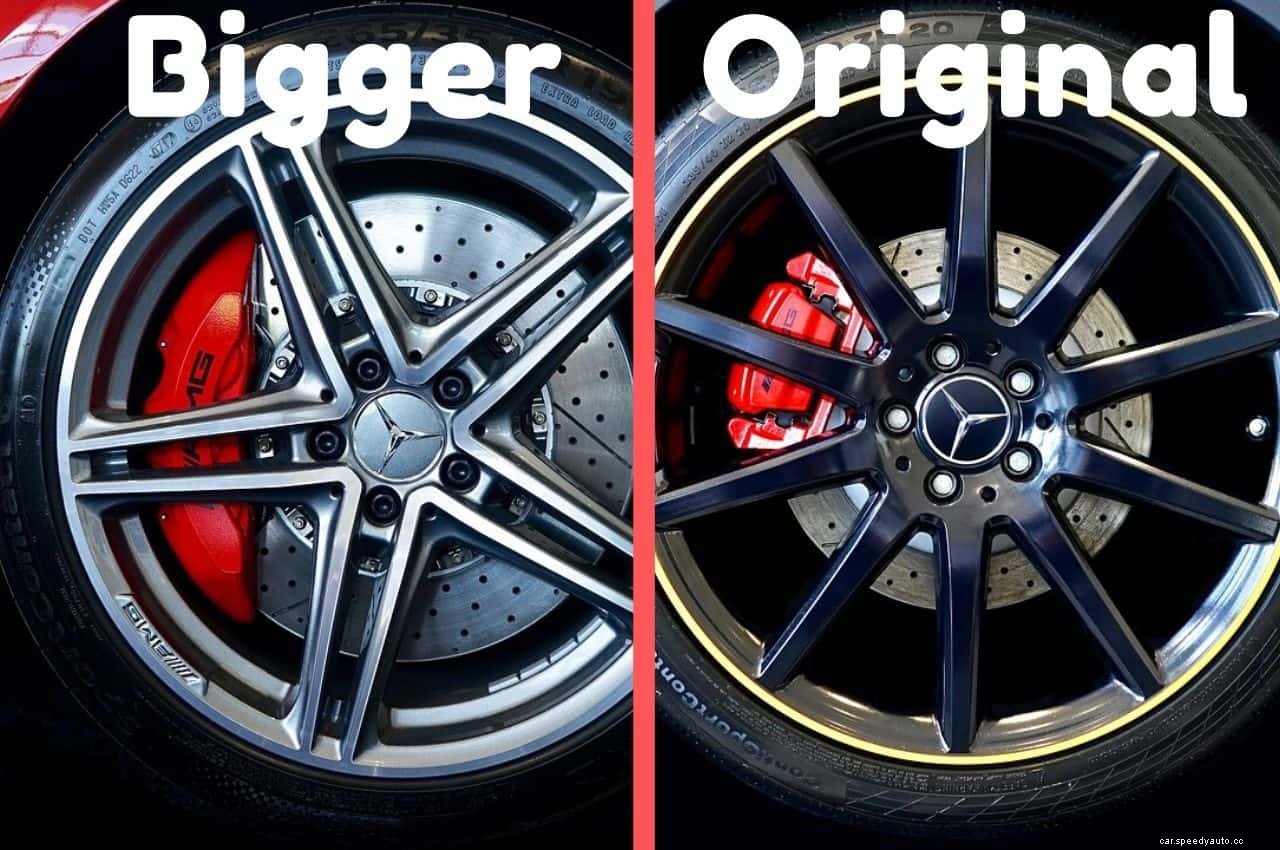
Size may matter. A larger size rotor and brake pad could help make the brakes more efficient at dissipating heat. If you upgrade your brake rotors and pads to a larger size, some websites state that this will help stop the car sooner, while others say size does not impacting stopping distance.
When stopping, the brake pad type and rotor type will have the biggest impact, and I think the size of each part plays a part, but it's secondary. There are many ways to adjust brakes to increase braking power, such as increasing brake line pressure.
Making adjustments can create issues though. The best way to add more stopping power is to not make major changes and increase the brake pad and rotor size.
My opinion is that changes tend to create more problems than they fix. Unless you've got a extremely safe and accurate system, I would advise to stay with the same size brake parts and to be extra safe go with OEM parts or original manufacturer parts.
The best brakes are those that fit your style of driving and help you stop in well in different weather conditions you are likely to be in. Determine what your average drive will be like to get the best parts for your vehicle.
For most consumers, upgrading to drilled and slotted rotors, along with getting ceramic, semi-metal, or carbon-fiber brake pads will be your best option.
Although, each persons driving conditions will be different, so determining each parts characteristics will help you make the best decision.
