As much as we hate to admit it, frosty winter months are fast approaching. If you live in a cold weather state like us South Dakotans, it’s time to give your vehicle some extra TLC. How can you best prepare before winter’s chill hits the air?
- Get the right oil change. Are you approaching the 30,000 mile mark for full service? Don’t procrastinate if you are! Among other items, the service should include an oil change, and the oil used should have the right thickness for your vehicle at this time of year. Oil thickens as it gets colder, and if it’s too thick it won’t keep your engine well-lubricated.
- Seeing is Essential! When’s the last time you replaced your windshield wiper blades? They’re usually effective for approximately one year, so invest in some new ones if you’re past due. Also, fill your windshield washer reservoir with washer fluid, and check that your heater and defroster are working properly.
- Give your Battery a Little Love. This is the perfect time to make sure your battery’s posts and connections are corrosion-free and that your battery has all the water it needs. If your battery is more than three years old, have our technicians test its ability to hold a charge. You want to prevent any jump-start scenarios before they occur.
- Examine Belts and Hoses. While servicing your vehicle for the winter months, make sure the belts and hoses are examined for wear and tear – even if you’re driving a recently purchased vehicle. Cold weather can do a number on these components, so they deserve attention.
- Check Tire Pressure. Tires must be properly inflated to ensure the best traction while driving. Traction can be severely compromised in wet, snowy, or icy conditions. The air pressure in your tires has likely dropped as the weather has gotten cooler, so it’s important to see where they stand now.
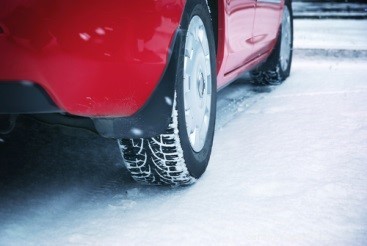
- Consider Snow Tires. If you live in a hilly location that gets a fair amount of snow, traction can be greatly improved by investing in winter tires. When shopping for snow tires, be sure to inquire about fees that could be applied, such as fees for mounting and balancing.
- Do You Have Four-Wheel Drive? If so, check the status of your system and make sure it’s working properly. Most drivers don’t use their 4WD systems in the warm summer months, so make sure the system engages and disengages easily, and that all drives in your household know how and when to activate the system.
- Get the Antifreeze Right. Aim for having a 50-50 mix of antifreeze and water inside your radiator. This prevents the mixture from freezing even at incredibly cold temperatures. It’s easy to check the mixture with an antifreeze tester, available at auto parts stores. If the mixture is off, your system should be drained and refilled or flushed.
- Prepare an Emergency Kit. While you most likely won’t ever need to use one, it’s always better to be safe than sorry. Kits can include items like a blanket, extra set of clothes, ice scraper, small shovel, flashlight, flares, jumper cables, tool kit, tire chains, tire gauge, spare tire with air in it, tire-changing equipment, a first-aid kit, and paper towels, among other items.
- Know what to do if Stranded. Always remember: don’t ever wander away from your vehicle unless you’re 100% sure about where you are and how far away help is. Light two flares and situate them at each end of your vehicle to attract attention. If you have enough gas, run the engine and heater for about 10 minutes each hour while you’re waiting for help. Leave at least one window open a bit so that snow and ice don’t seal the car shut.
While many of these items are simply precautionary, it’s always best to be prepared during the winter months. That way you can enjoy safe travels all year long.

