
Developed and commercialized by Michelin in 1946, the radial tires have revolutionized the world of tires. They are widely used in primary agricultural machines, facilitating the constant evolution of farming techniques.
There are mainly two types of tires, radial and bias, and they differ from each other in terms of their core design. In a radial tire, the arrangement of cord plies is radial from the center of the tire or at 90 degrees to the direction of travel.
On the contrary, the arrangement of body ply cords is diagonal from bead to bead in a bias tire. The plies stay in a crisscross pattern at angles in the range of 30 to 40 degrees.
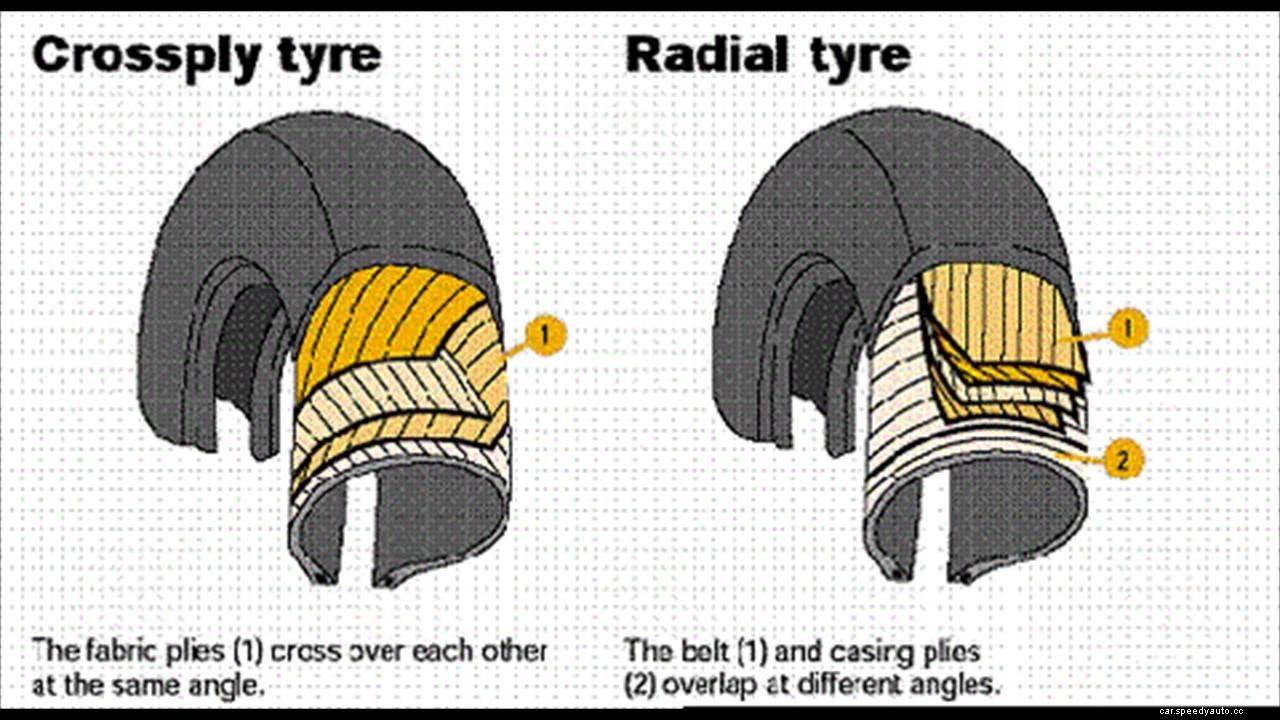
Radial tires feature plenty of positive sides. Consider the following features when you have to make a choice between radial and bias tires:
The disadvantages of the tires are fewer in comparison to their positive sides. Their main disadvantages are:
If you compare a radial tire with a bias tire, the former option is definitely better because of its safety features, flexibility, strength, and the ability to absorb shocks, impact, and bumps. They are more expensive than bias tires, but if you consider long term, they will actually save you hassle and money. They provide low fuel consumption, less ground damage, less rolling resistance, and their design makes them fit for longer service, leading to reduction the costs in tire replacements.
