
A torque wrench is a necessary tool in automobile mechanism where the repair work needs accuracy and precision. So, you should check every once in a while whether your torque wrench is properly calibrated. An uncalibrated wrench will give incorrect readings, leading to accidents like leaving a stripped thread, loosening a nut, or breaking a stud.
Proper calibration of a torque wrench is necessary to get accurate results for a repair work. An accurate torque wrench reduces the possibility of damaging bolts and loosening nuts.
To understand how to calibrate a torque wrench, you must know the mathematical formulas working behind it. The formula used for calibration is Ta = Ts x (D1/D2), where Ta stands for applied torque, Ts for torque setting, and D1 and D2 for distance one and distance two. You can also use another formula T = F x D, where T represents torque and F and D respectively stands for force (weight) and distance.
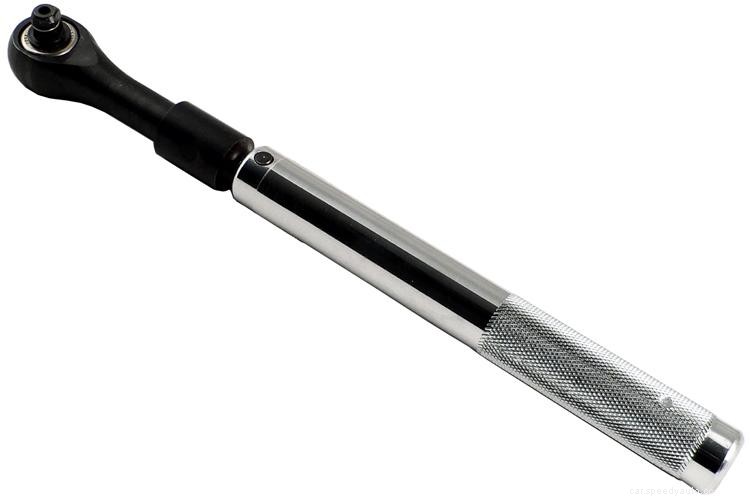
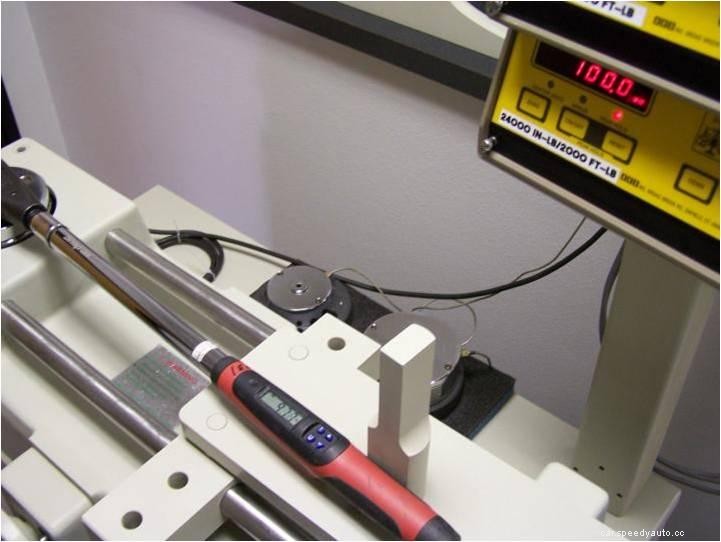
Now that you know how to calibrate a torque wrench, you should also be aware of the factors that are likely to disrupt the calibration. It’s common for the torque wrenches to lose their accuracy over time. However, some other factors may also affect the calibration:
Temperature. Extreme cold or warm conditions can influence the mechanism of a torque wrench. It works perfectly in average temperature. Otherwise, you have to set the tool’s measurements to the setting suitable for the climate.
Incorrect measurement. The calculation of the correct calibration depends on measurements. A torque wrench will deliver defective results if a factor in the equation is wrong. So, you have to take each measurement correctly to ensure a precise solution.
