
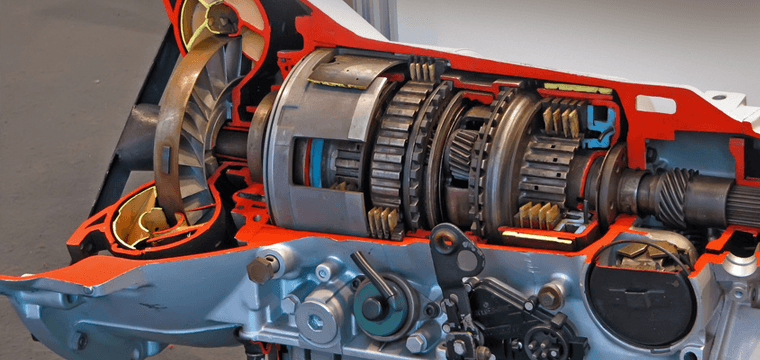
A CVT (continuously variable transmission) is a single-speed transmission that works like an automatic shifter for seamless shifting through a range of gear ratios, unlike other mechanical shifters that offer access to a fixed number of gear ratios. There’s a concern about the longevity of these transmissions due to some past issues in some models of Jeep and Nissan. So, how long do CVT transmissions last? You should look into it if you have intended to purchase a CVT car.
A CVT is a lesser-known option to conventional automatic transmissions. What does CVT mean in cars? You use it just like a regular one — slide the shift lever from “P” to “D” and off you go — but after that, well, it gets a little complicated.
Normal automatics have a certain number of gears that are referred to as “speeds,” hence “6-speed automatic,” for example. The reason is that each gear is good only for a certain vehicle speed, so if you need to keep accelerating, the transmission will shift up through the gears — first 1, then 2 and so forth.
But a continuously variable transmission technically have no gears; instead, it’s like having one magical gear that’s variable through all driving situations. That’s why you don’t even feel shifts from gear to gear like in a normal car. Everything you’ll notice is changes in engine speed, or RPM: higher for acceleration, lower for cruising.
How long does a cvt transmission last? Renowned brands like Toyota, Honda, Subaru, and Nissan have used various versions of CVT transmissions in several of their lineups. The concerns about the shifters lifespan have started after several issues in the first-generation models. Nissan faced serious problems in some of their lineups manufactured by its subsidiary JATCO. Jeep also had issues in the Compass model along with a few others.
SEE MORE
The mechanical structure of CVT is yet not perfect and sophisticated because it’s a relatively new technology. It has a steel chain about an inch wide that is the main route for transferring power from the engine to the rest of the car. If this chain breaks down for some reasons, the transmission will stop functioning.
When the chain fails, it shatters into pieces with shrapnel everywhere. A traditional auto shifter does not create such a mess when it fails. There could be worn out valves, burnt out clutches, or cracked sun shell, but nothing messy as metal shrapnel. Also, many servicing shops don’t provide the CVT transmission repair or rebuild service.
The Honda models with the CVT are the most reliable among all the lineups and CVT transmission life expectancy is the longest. However, the automakers have been working relentlessly to improve the technology. Almost all the newer models of the brands are better than their predecessors.
How long do CVT transmissions last if you take good care of them? At least more than five years!
CVT is still a new technology and the automakers have been working to improve it. But, they will still last for a long time if you do proper maintenance.
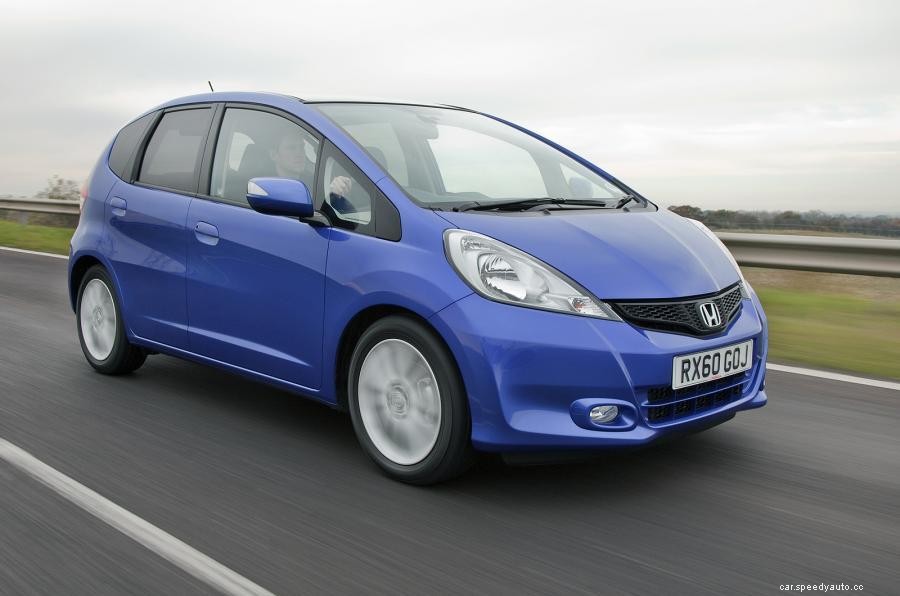
CVT helps with fuel efficiency by increasing the mileage and it has several other advantages. However, not all the models enjoy all the benefits equally. For example, the Honda Civic and Accord models offer a responsive, well-programmed handling that eliminates the ‘rubber band effect’ – a condition when the RPM is high but the vehicle takes time to catch that speed.
Watch the video below to see more details:
Hopefully this article is useful for you. If you have any car question, feel free to leave us a comment in the box below, we will answer it for you.
Though Honda guarantee the transmission fluid for a lifetime but it is not like that:
1) NO transmission fluid is lifetime — it still needs to be changed.
2) CVT’s are not as reliable and durable as regular automatic transmissions — when they go out, you can replace it for several thousand dollars or get rid of the car for little in return.
More Honda CVT reliability can be found here.
We got some points for Nissan CVT transmission reliability:
