
As the name suggests, double clutching is the process of using the clutch not one but two times for shifting the gear. The technique is exclusive for vehicles running with a manual transmission.
The dual-clutching was a necessity in old vehicles. Some racing cars still need it for performing at their best.
The process involves three components working together – the engine, clutch, and transmission.
The engine is the powerhouse of a motor vehicle. It produces power that the clutch transmits to the transmission. After that, the power does to the driven wheels. During each cycle of this process, several components including the clutch, engine’s output shaft, and transmission’s output shaft can rotate separately.
>> Looking for a high-quality used car from Japan, click here <<
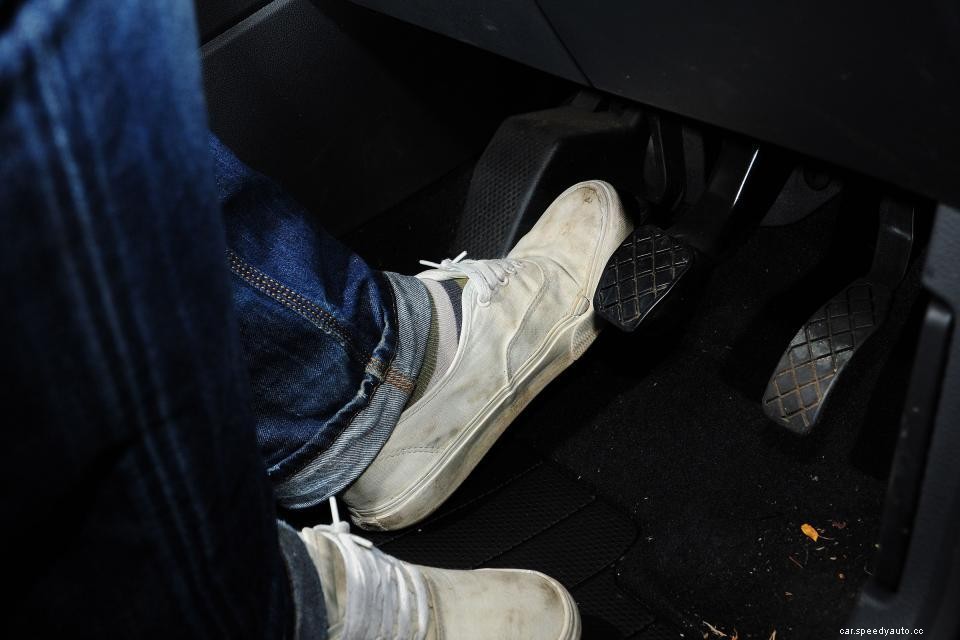
To complete a double clutching, you have to press the first clutch and bring the gear to the neutral. Then, you have to press the accelerator to equal the dog clutch’s to the gear. The last part is to press the clutch again and bring the gear to the desired mode.
All the vehicles these days are equipped with synchromesh gearbox while this process was a requirement in constant mesh gearbox. Buy, you can still apply it to the synchromesh mechanism when the transmission’s synchronizer fails (which actually never happens).
Why did the old model cars need double clutching? What is its function? Well, it works as a bulwark between the engine and transmission. When the speed of these two components does not match with each other, the system aids in achieving them the speed sync.
The output shaft of the transmission does the job of transmitting power to the wheels. Its rotation speed depends on the selected gear. In high gears, its spinning speed will be higher than the engine while it will be the opposite in lower gears.
You need to learn about the functions of the components involved in the double clutching before understanding the process.
There are three types of manual transmission systems – sliding mesh, constant mesh, and synchromesh gearbox. The double clutching process is a common requirement in the vehicles that have the third transmission type.
There are several parts of the engine and transmission that take part in the dual-clutching process. Their functions are:
The dual-clutching mechanism is nothing complicated if you are familiar with the functions of all the related parts.
When you shift the constant mesh transmission into gear, a collar featuring dog teeth engages the gear. The engine’s shaft rotates the lay shaft, which again causes the spinning of the engaged gear. The gear then transfers its power to the drive shaft through the collar. Other gears stay in freewheel motion until they are occupied.
To do the double shifting, you have to separate the engine from the transmission by engaging the clutch pedal. Doing so moves the collar into neutral without shifting the occupied dog teeth.
SEE MORE :
Depressing the clutch pedal requires revving the engine to the point of achieving the correct RPM for the next gear mode. It means the next gear and collar will rotate have the same rotation, making it easier for the dog teeth to lock into the desired gear. After reaching the right speed, you have to disengage the clutch to engage the collar on the next gear. To perform the dual-clutching, all you have to do is to engage the clutch and depress it twice for shifting gears.
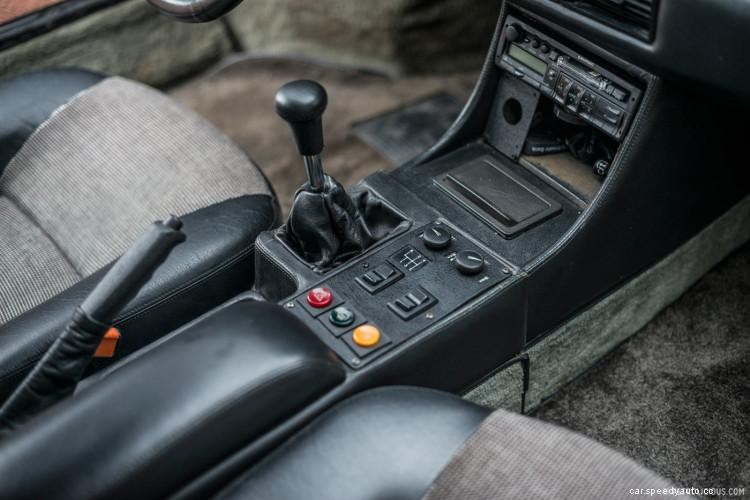
How does the gear shifting take place? Well, when you switch the shifting knob, a rod – which has a link to a fork-like part – moves to change the gears. That fork pushes the collar to the gear you want that transmission to engage. There could be a scary grinding sound if you do not do all the steps properly. However, there is nothing to worry about because it is just the sound of the dog teeth missing the designated gear slots.
