
There are numerous types of liquids in your car – from gasoline in the engine tank to radiator fluid and coolant oil. So, leaking of fluid is not actually surprising given the volume of liquid a vehicle holds. In addition, the car sometimes appears to be leaking water but actually is not. But, you should pay attention when car leaking water on passenger side.
A car needs different types of liquids to operate but only two systems use water-based fluids. These are the engine cooling and windshield washing systems.
When there is water on the passenger side of the car, investigate these two areas:
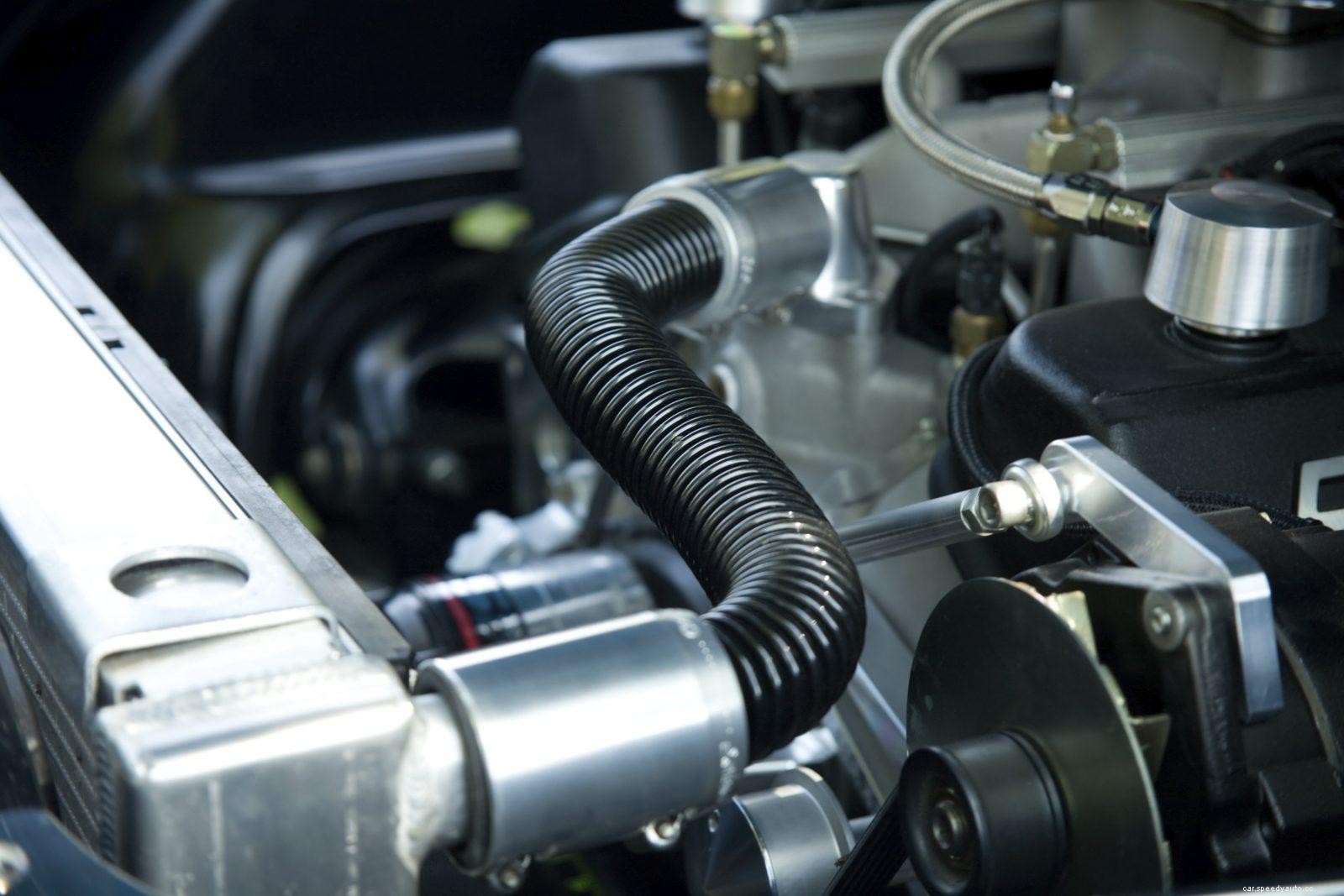
This is the first place to start the investigation when you see car leaking water on passenger side. The cooling system is highly pressurized so even a small leak can force the antifreeze to come out. Also, the heating and cooling cycles can deteriorate the gaskets and wear out the seals and hoses.
SEE MORE
The entire system consists of a reservoir, a pump, hoses, and nozzles. The reservoir stores the washing fluid and the pump pumps it to the hoses. Then, the hoses carry it to the nozzles, which spray the liquid on the windshield.
A crack in the reservoir is the most common reason for the leaking. It happens because of the extreme pressure from the expanded frozen washer fluid. You have to install a new reservoir to solve the problem. Use a low-freezing point washer fluid to avoid it altogether.
Remember that the water will leak only when you use the washer. If you find the car leaking water on passenger side after using the system, you will know where to look.
Why does rainwater leak inside to the passenger side? Well, there could be several reasons.
>> We have used Japanese cars for sales which never have leakage. Click here!!! <<
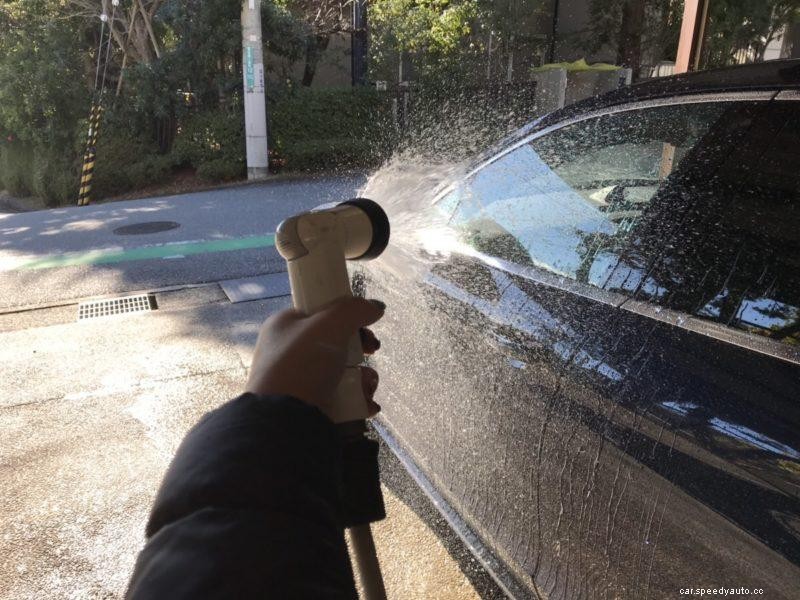
If you suspect that rainwater is leaking through any of the seals, you can do a water test to find out the problematic spot. Find an assistant to sprinkle water on the car while you stay inside, trying to figure out the leak. Start at the low point like the door cracks to the bottom of the windshield and work your way up to the roof. The testing is time-consuming but it is the most cost-efficient way to find the troubling spot when car leaking water on passenger side.
