
While tire health is underestimated by many car owners, it is actually very important to keep your car’s tires properly inflated to get the optimum performance: a smoother ride, quicker steering and braking response, better handling, better fuel economy, safety, and longer tire lifespan. Monitoring your tires is a simple task you should do once a month. For only $5 to $20, you can get the best tire pressure gauge that will provide you with reliable service for many years to come.
This ultimate guide will provide helpful explanations on the benefits of tire pressure gauges, the different types of tire pressure gauge, a list of the very best tire pressure gauge for each type, plus pro tips on using and maintaining this handy tool.
Keeping your car tires properly inflated is an easy maintenance task and one that would not cost you a ton of money.
Under-inflated tires will lead to excessive tire wear and worse, can result in premature tire failure.In addition, they also reduce fuel economy. They will not do their best at bearing and distributing the weight of the car, thus will negatively impact the vehicle’s braking and handling.
Maintain optimal tire pressure at all times will resolve the above issues.It is important to remember that the “appropriate” tire pressure level depends on the make and model of your car and many other factors. Consult your owner’s manual to find out the right tire pressure level that you should maintain.
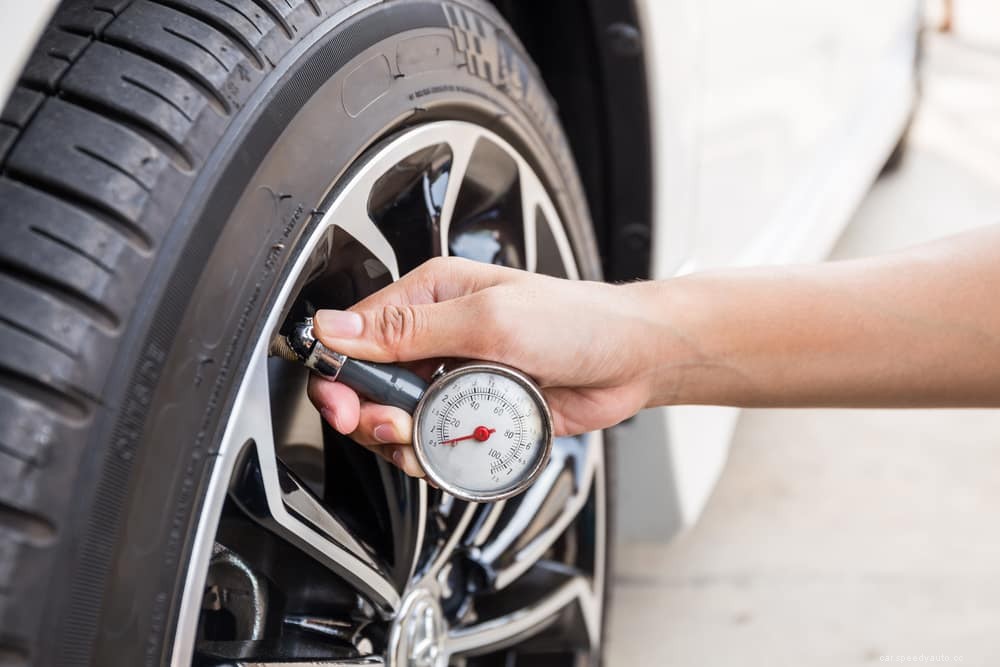
A tire pressure gauge will give an accurate reading of the current pressure inside each tire, so you can monitor and adjust the pressure to achieve optimal pressure level easily.
READ MORE
Tire-pressure gauges are available at auto-parts stores, big-box stores, and other retailers, as well as online. For typically $5 to $15, you can already get a good gauge.
A tire gauge is not just a purchase. It is an investment that you will come to appreciate more and more down the road thanks to the important benefits it provides for your precious vehicle:
Maintaining appropriate inflation will ensure your car will not need to work extra hard to make up for under-inflated tires, which impedes your vehicle from achieving the speed it should.
There’s no need to explain why you will enjoy a smoother ride and enhanced stability if all four tires on your car are at the same level of pressure, and the correct one at that. Maintaining a uniform and appropriate tire pressure also put less strain on the rest of your vehicle.
Under-inflation means larger tires contact with the road surface and excess heat, resulting in excessive tire wear. Simple spending under $20 for the best tire pressure gauge to keep your tires in good shape and avoid premature replacement is therefore a wise decision.
Your tire pressure and your braking experience are directly related. The more under-inflated your tires are, the longer stopping distance whenever you slam on the brake pedal. Therefore, maintaining proper tire pressure at all times is a good safety practice.
READ MORE
Each of the different types of tire pressure gauge has its benefits. The key is to choose one you are comfortable using and find easy to read, and of course suits your budget.
Buy a gauge with a wide-enough range that it can measure the pressure in a temporary spare, which is typically 60 psi. The majority of gauges on the market have a span of 5 to 100 psi.
If you need to check pressure in a darkened area, like in your garage, a digital gauge with an illuminated display would be the most convenient.
Stick gauges are the cheapest type, at an average price of just under $5. Stick-type gauges somewhat resemble a ballpoint pen. They are simple, compact, and affordable, however they are a little harder to interpret than most digital gauges.
Since a tire pressure gauge is a tool you will reach for regularly in the long term, you might want to spend just about $10 extra to get the best tire pressure gauge with more user friendly display, either a digital or a dial one.
Digital gauges are generally very accurate and easy to read. Digital gauges cost about $10-$12, on average, more than stick gauges but still a minimal long term investment.
Digital gauges have an electronic LCD display, like a pocket calculator, making them easy to read. Some digital readouts light up, making them handy for checking pressure in dark conditions. They’re also more resistant to damage from dust and dirt compared to stick gauges.
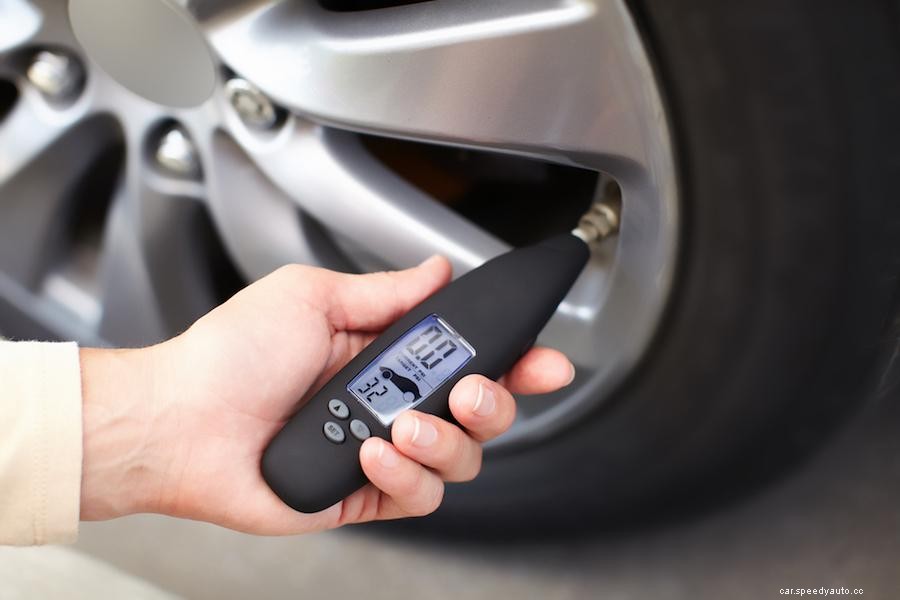
A minor downside is that digital gauges are a little larger than stick gauges and they require batteries. While batteries can last for years, they will of course need replacement. This is however not a major inconvenience.
They can also be bulky and typically cost more money, running from $20 to $50. The average cost is around $25, which is still reasonable for what they can offer you in any years to come.
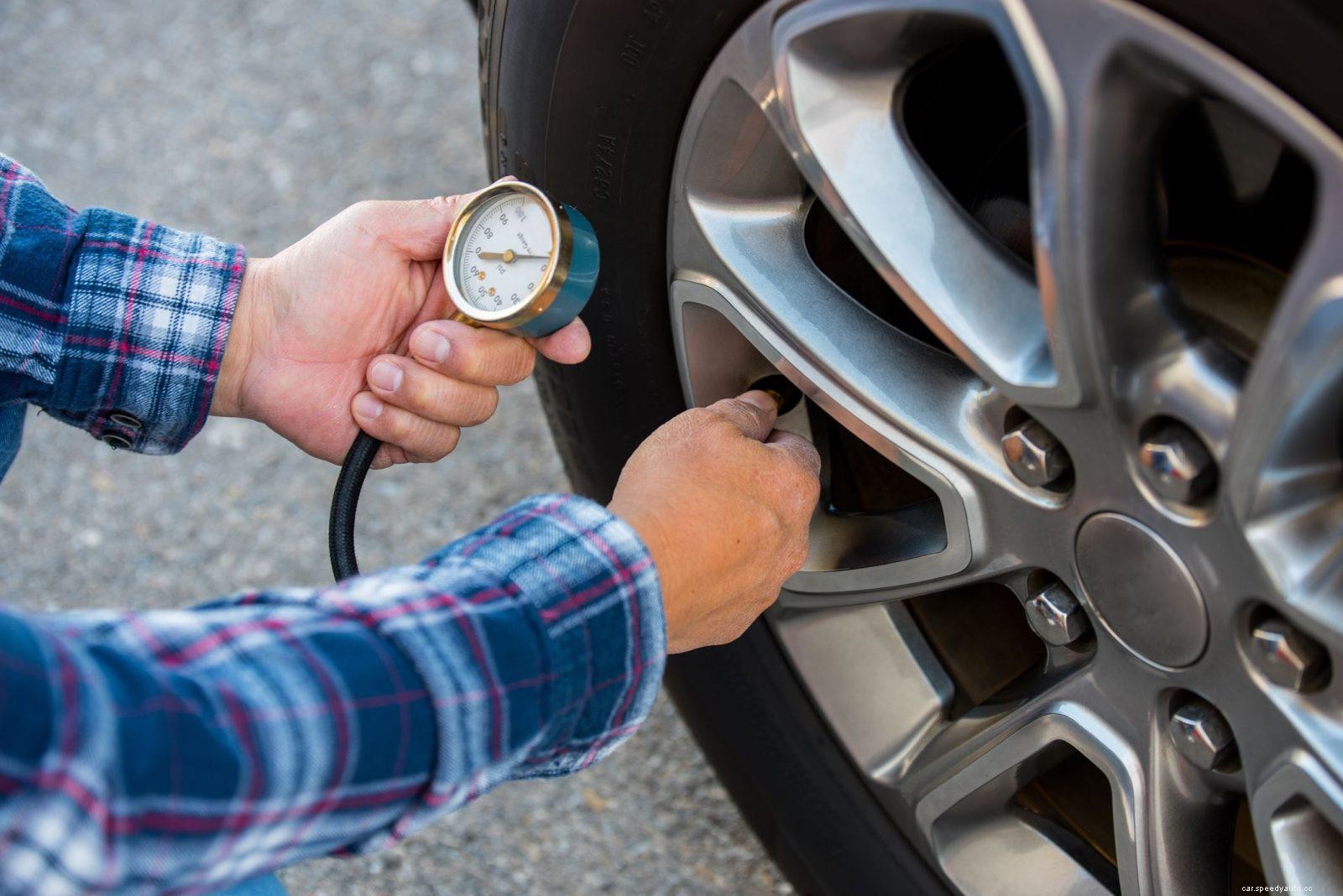
Dial gauges have an analog dial, resembling a clock face, with a simple needle to indicate the pressure. Most dial gauges are easy to read.
While some dial gauges have extra features, including an extension hose, bleeder valve, dual-scale dial, and shock-resistant dial cover, they aren’t necessarily more accurate and you would not really need them.
READ MORE
Since stick gauges only cost under $5, you cannot go too wrong even if you buy a less than perfect gauge. The following list will include the best tire pressure gauge, but only the tried and true digital and dial types, as they are more commonly used and more expensive.
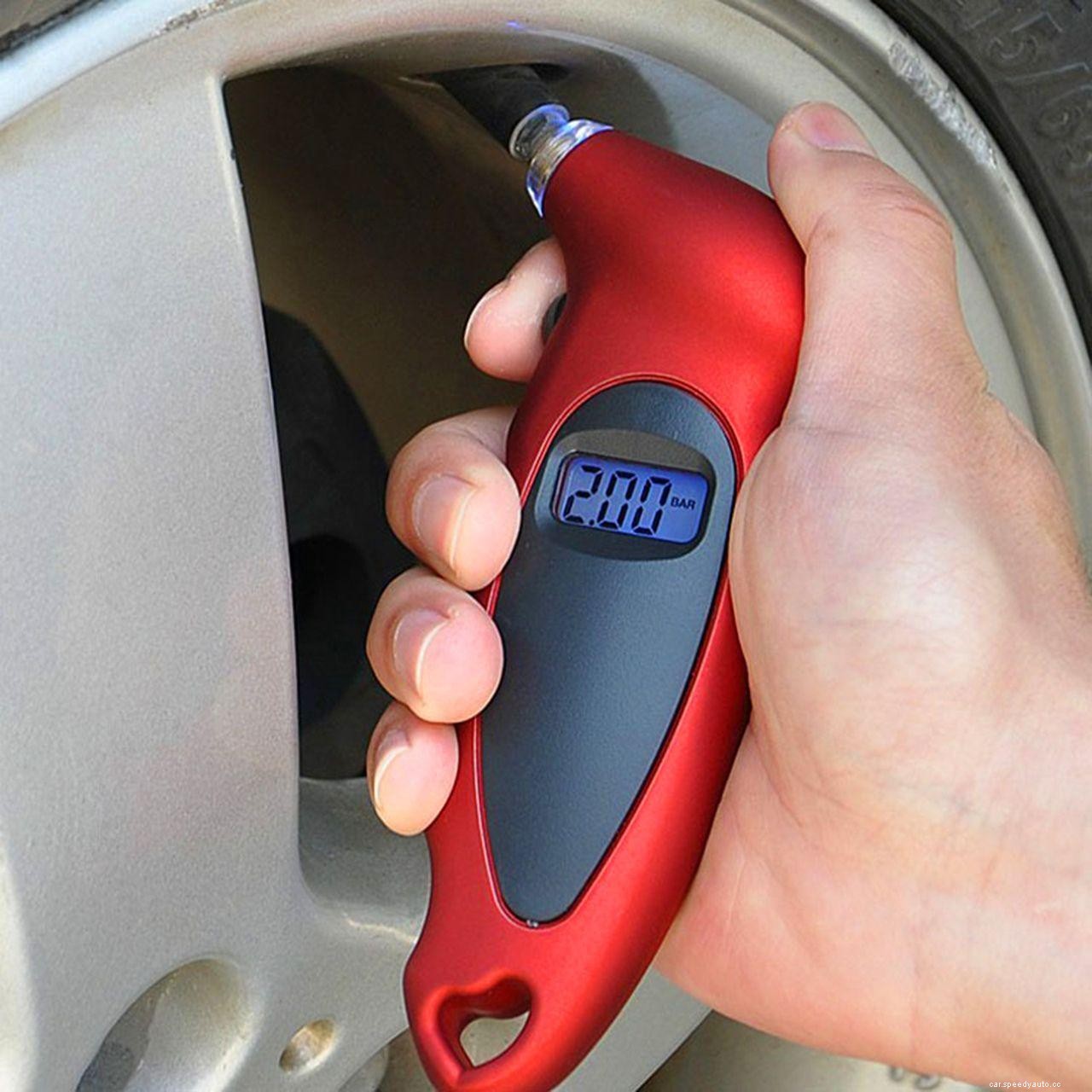
This Tekton digital gauge is often found in tire pressure gauge reviews and often claimed by many car enthusiasts as the best tire pressure gauge. It is loved for many killer features, with an affordable price of only $10, which means it offers excellent value for money.
This is a tried and true digital gauge with raving reviews from almost 5,000 car owners on Amazon, so rest assured you’re making a wise investment.
Features:
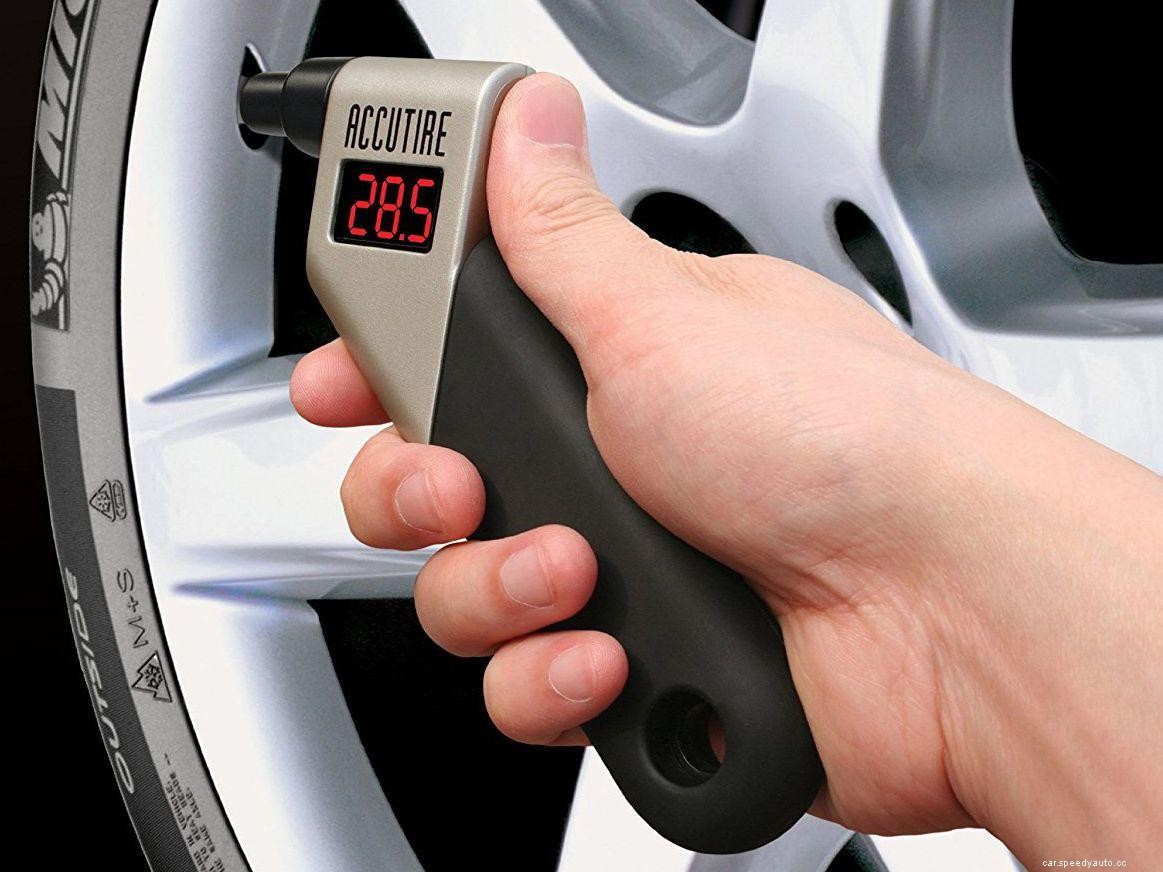
What set this Accutire gauge apart from competitors is the angled head that makes it easy popping it into the tire. For $11, you get a lot of bang for your buck, including a lifetime warranty on parts.
Features:
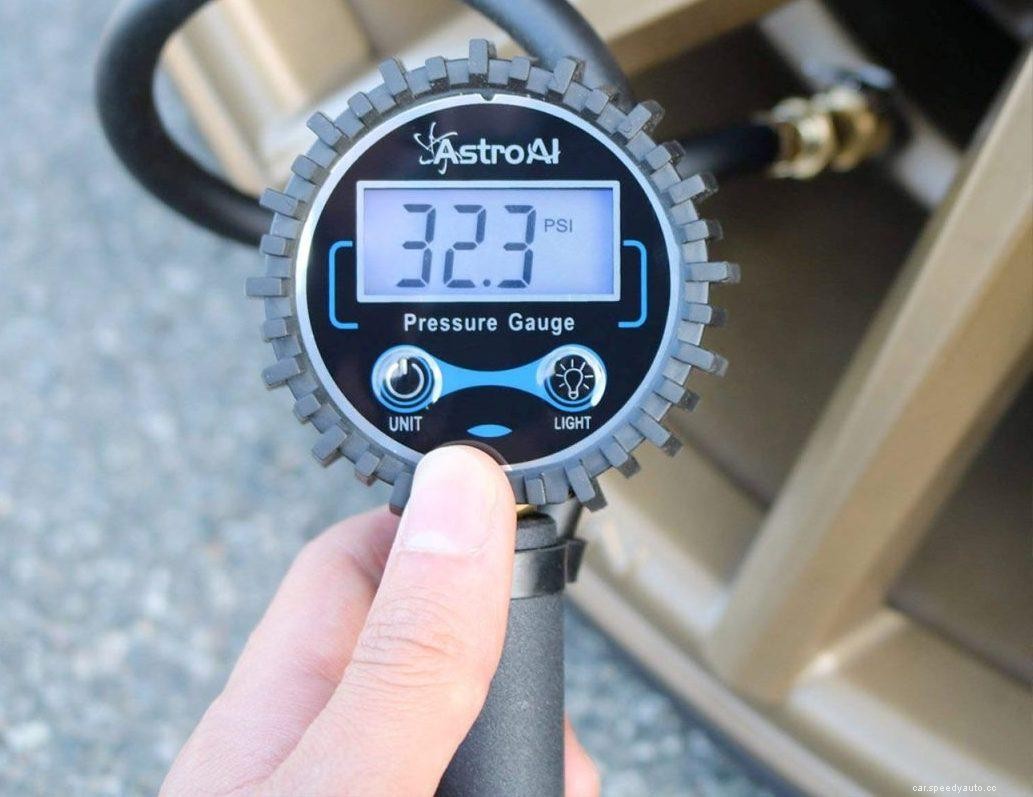
Available at only $9, this dream-come-true tools receives an overall 4.5 stars from almost 8,500 car owners on Amazon.
The AstroAI Digital Tire Gauge is easy to read, hold and use. It features a lighted digital screen that displays the exact measurement, so there is no guesswork or estimation like with an analog gauge.
Features:
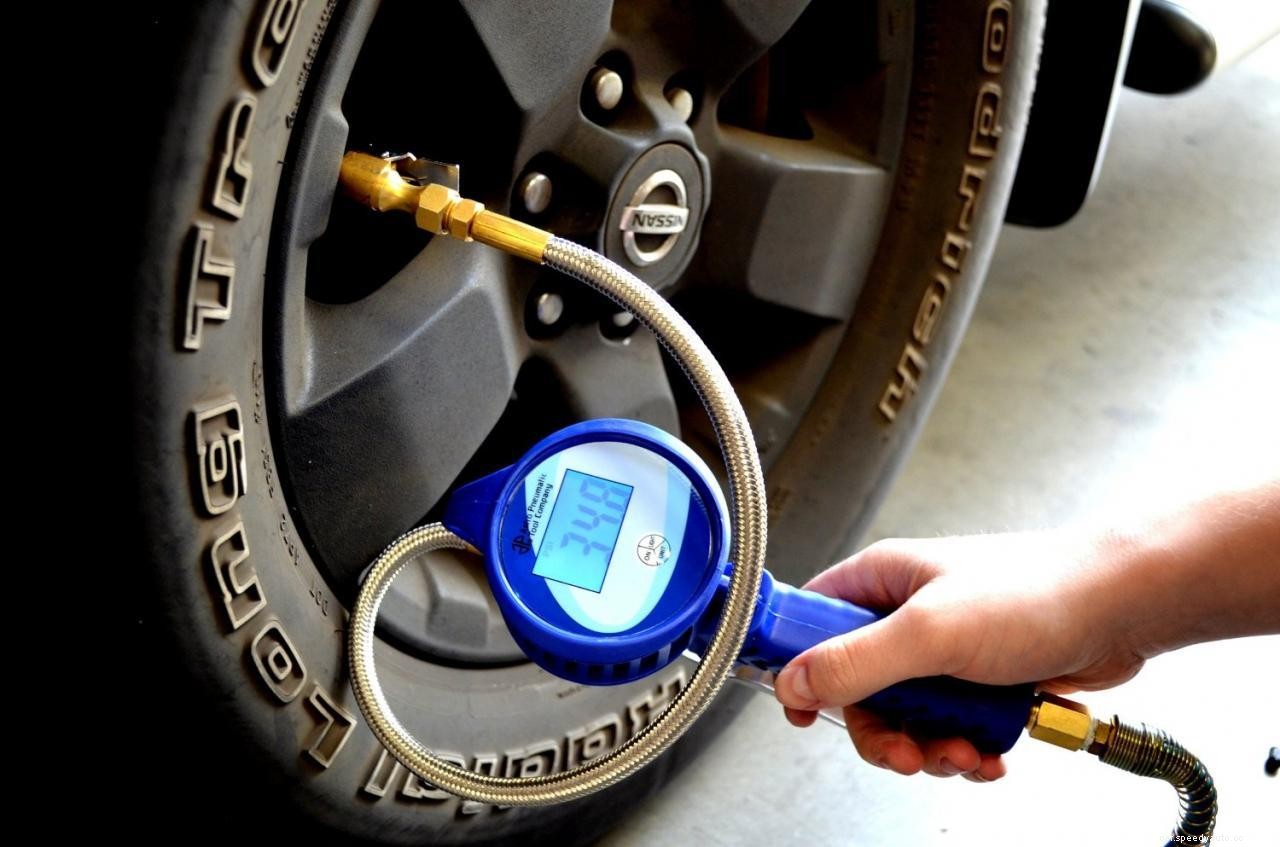
The Astro 3018 3.5″ Digital Tire Inflator with Hose is simple to read with a backlit LCD display. It is held by many as the best tire pressure gauge as it is among those with the most features.
This versatile tool boasts a durable 21” stainless steel braided hose for enhanced durability and an easy to install AAA Battery System with four times the battery life of regular gauges.
However, this is the most expensive digital gauge on our list, available at some $67.
Features:
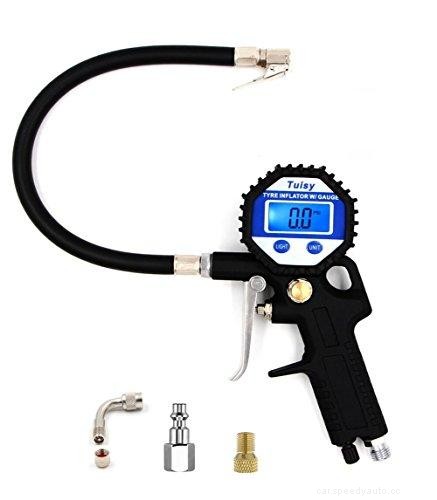
Tuisy Digital Tire Pressure Gauge is a performance tested gauge. It boasts a certified accuracy of ±1% with display resolution of .5 for maximum accuracy.
Although you would be paying $30 for this handy tool, if performance and durability are your priorities, this Tuisy model is something you can rely on for many years to come.
Features:
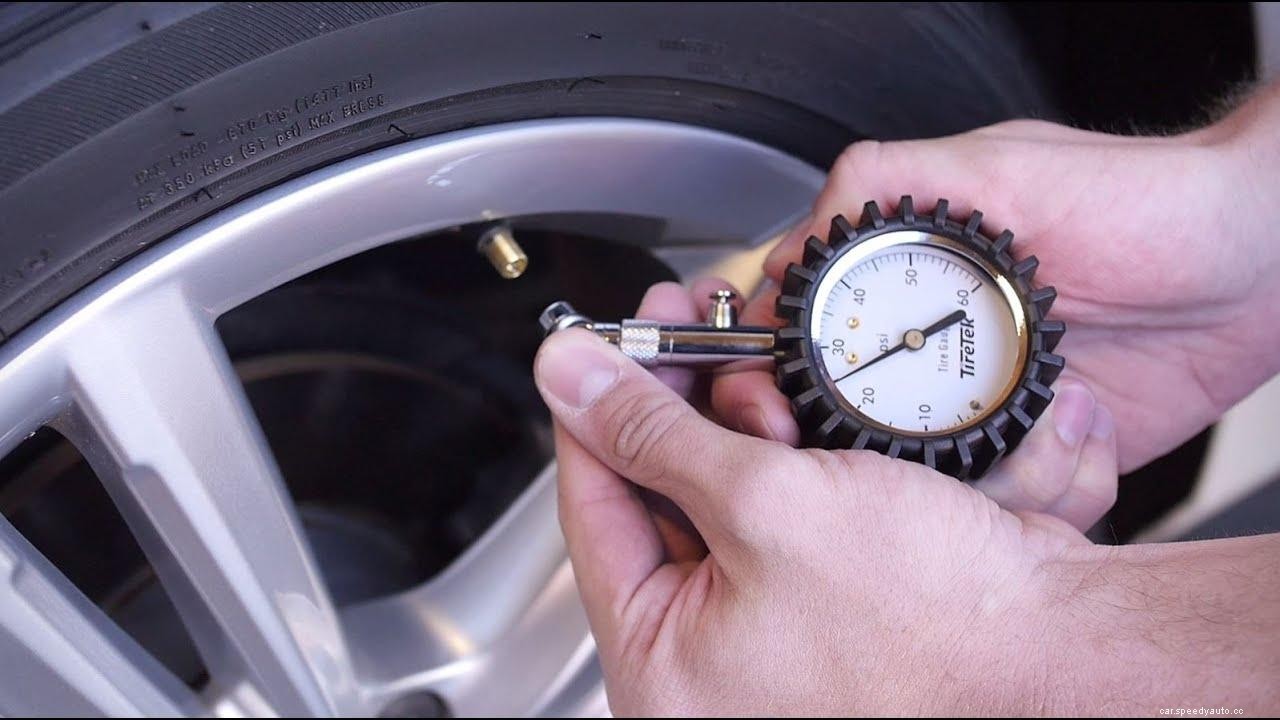
The TireTek Premium Tire Pressure Gauge reliably and consistently offers precise, accurate pressure reading. Plus, it is easy to use and is reliable in all weather conditions. This is why many mechanics would recommend this gauge for a quick, accurate reading of your tire pressure.
For $14, it is an excellent investment, also considering the 100% lifetime satisfaction guarantee.
Features:
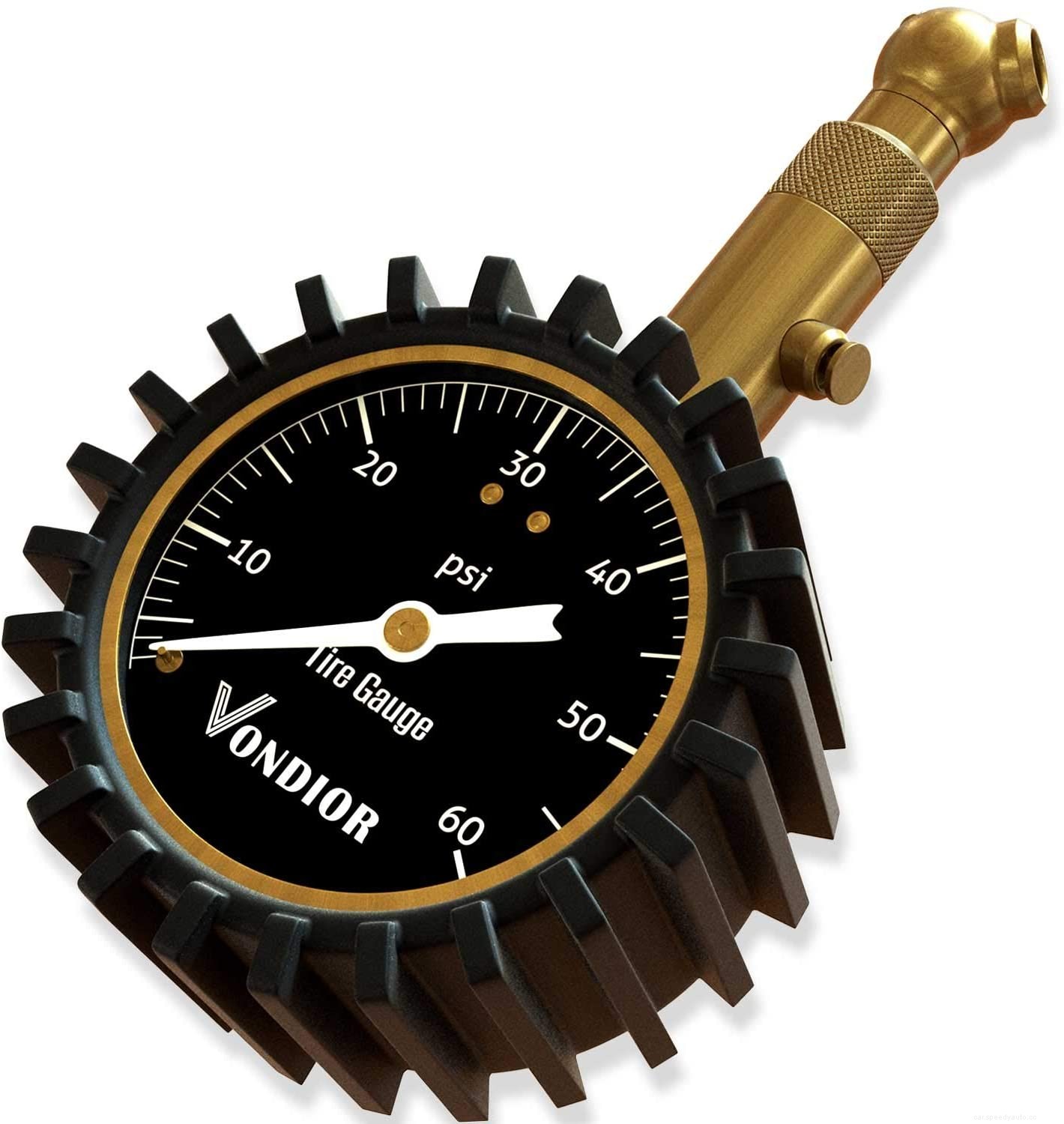
Available at an affordable price of $15, this reliable gauge receives raving reviews from some 1,500 car owners on Amazon. It is an analog tire pressure gauge that doesn’t require any batteries and provides quick and precise readings.
Features:
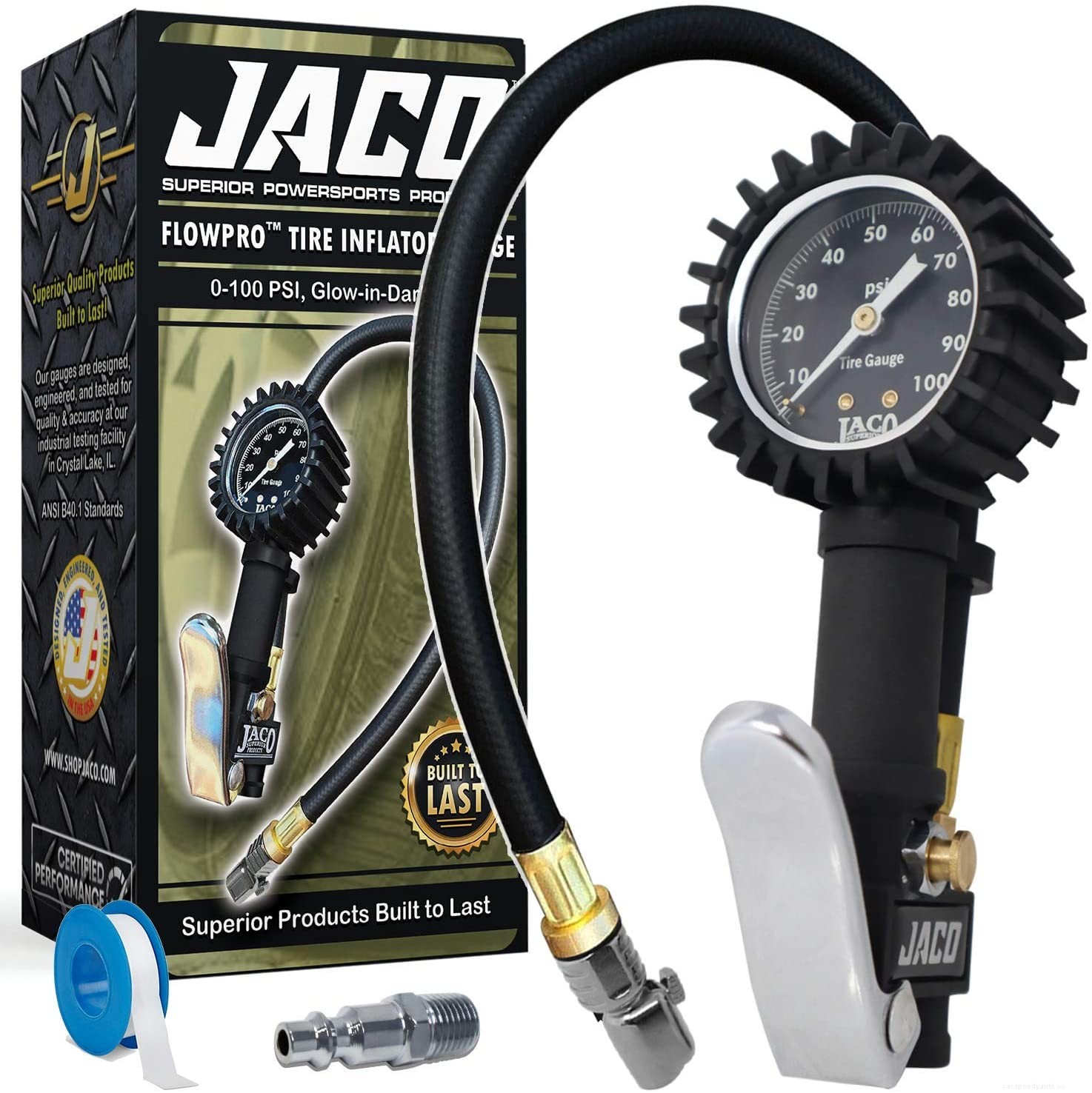
The JACO FlowPro Tire Pressure Gauge is also loved by mechanics for its accurate readings and easy handlings. Although you would be paying $36, you get great value for money and would be guaranteed for life.
Features:
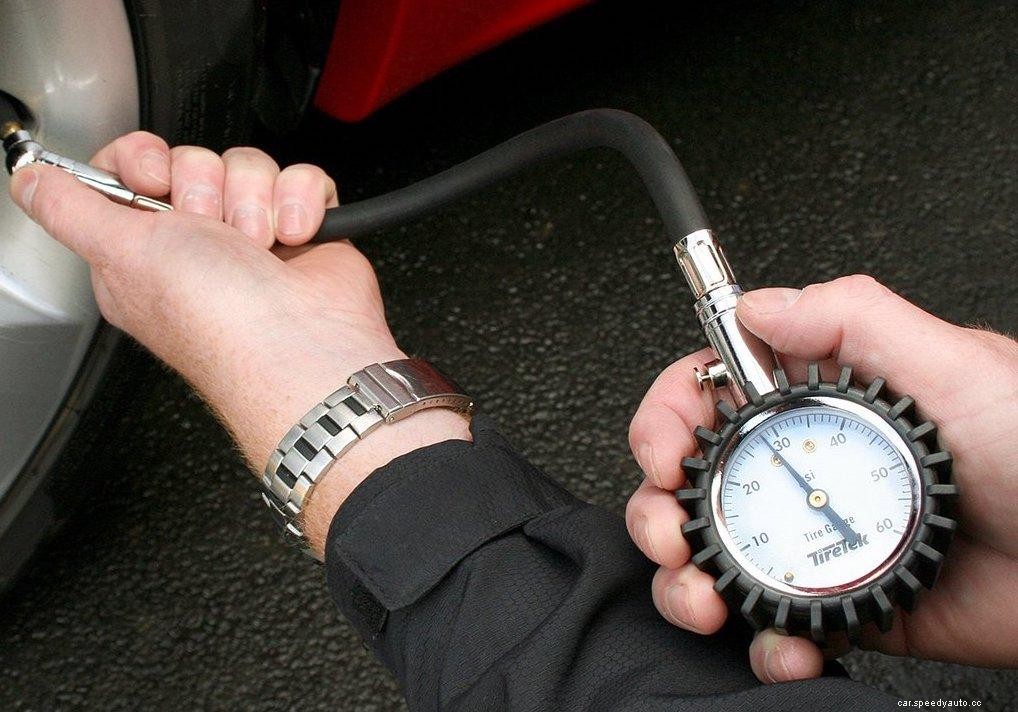
For only $15, you are getting a lot of bang for your buck. This mechanical tire gauge is calibrated to ANSI B40.1 Grade B (±2%) international accuracy standard to perform reliably and accurately for years without batteries.
In addition, it features an integrated bleed button for precise tire pressure adjustment of over inflated tires.
Features:
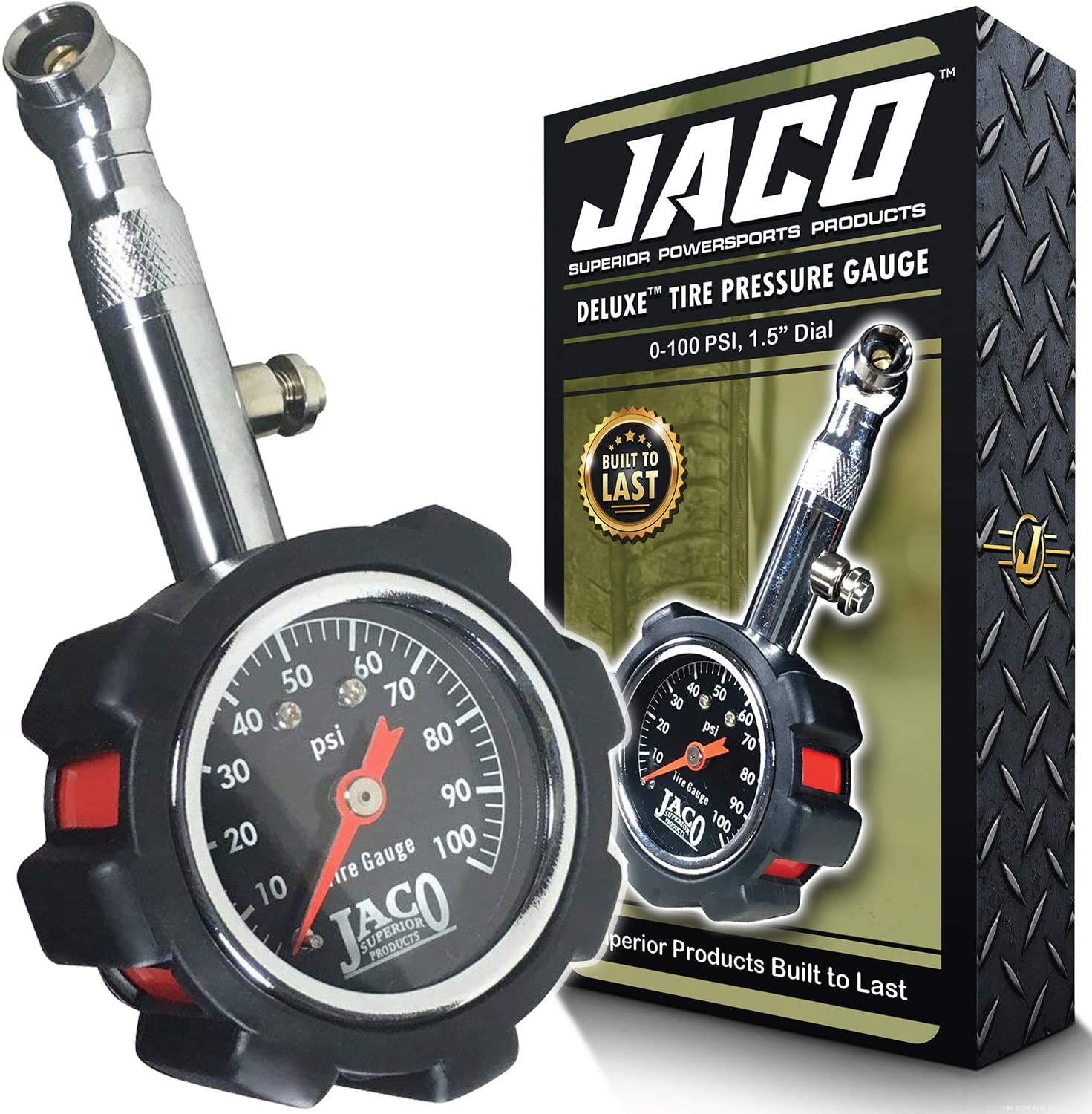
Also for only $15, you can get reliable service from this handy gauge with an overall review of 4.4 stars from some 1,300 buyers on Amazon.
This JACO gauge is performance tested and calibrated to ANSI B40.1 accuracy standards (2%), ensuring quick and precise tire pressure readings up to 100 PSI without batteries.
Features:
Nearly all tires lose pressure gradually over time, even if the car isn’t driven and the tire is only sitting there in storage or is mounted on the car as a spare.
With a tire that is undamaged and properly mounted on the rim, most of the pressure loss comes from air escaping through the rubber sidewall, not through the inflation valve. The valve stem’s dust cap is to keep dirt out, not air in.
Tire pressure drops as the weather gets colder, since cold air is more dense. A typical car tire measured at 30 psi during 80-degree temperatures will return a reading of 25 psi when the temperature drops to 30 degrees.
The air pressure within a tire is almost unaffected by the weight of the car. An unmounted tire inflated to 32 psi will still measure nearly the same when it’s mounted and bearing the weight of the car.
A note on maintenance of your tire pressure gauge is to keep your gauge at room temperature, as very hot or cold temperatures can impact performance. Avoid keeping it in the glove box.
When checking and adding air to your tires, follow the automaker’s recommended pressure setting, which is usually found in your owner’s manual and also located on a placard or sticker on the driver’s-side door or inside the glove compartment or fuel-filler door.
This recommended pressure provides the best combination of performance, ride comfort, service life, and fuel economy.
Do not go by the “max pressure” number found on the tire sidewall. This is the maximum amount of pressure that the particular tire can withstand without damage and thus is not a safe operational pressure level.
Follow this step-by-step guide to check your car’s tire pressure in just a few minutes:
