
Even if the low-pressure indicator light is on, many people do not become concerned enough to check the tires. They continue driving with low tire pressure, which is a dangerous practice. The longer someone drives with low tire pressure, the more risk waits for them on the road.
You may think that keeping all the tires inflated is a hectic task, but it’s easier than having to deal with the consequences of the lowest tire pressure. Driving with low tire pressure means there will be a negative impact on fuel economy, handling, tire wear, and most importantly, safety.
It also makes a vehicle less responsive and has less traction. Therefore, users will find it harder to avoid emergencies, such as switching lanes quickly. Besides high fuel consumption, lesser traction also means higher pressure on the engine. Underinflated tires also reduce the mileage by about 0.2% for every 1 PSI drop in average tire air pressure.
Due to low pressure, an increased rate of wear on the tire sidewalls takes place. It subsequently causes blowouts, killing around 500 drivers every week in the United States.
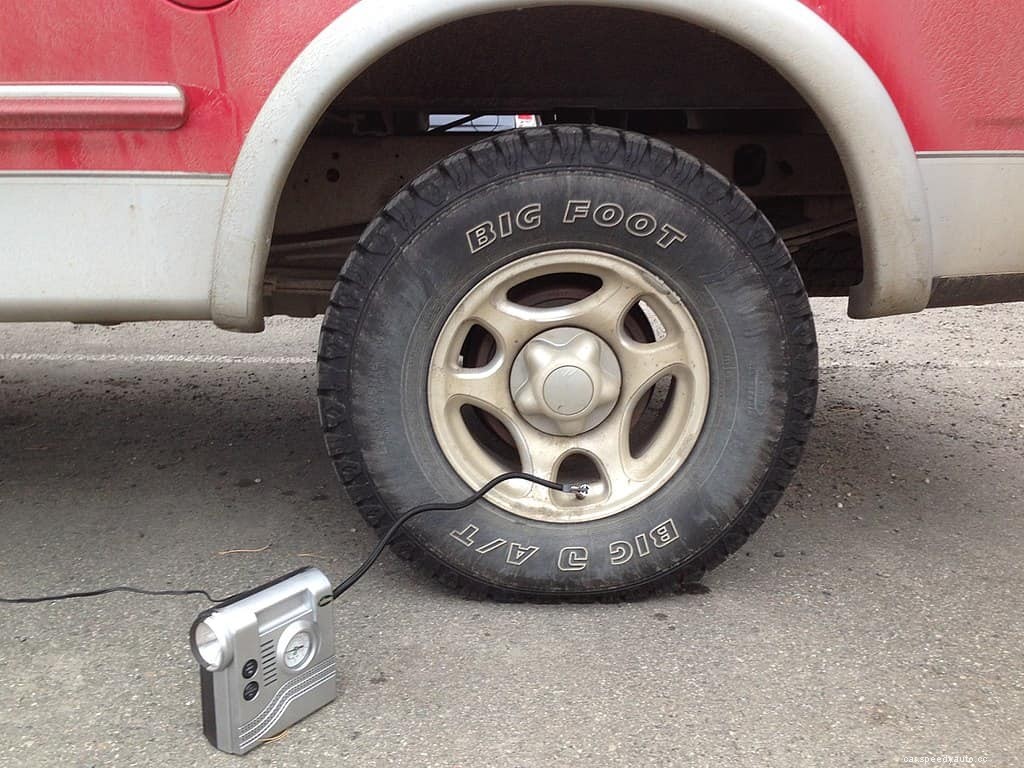
Remember that even if the tire does not look flat, it can lose its pressure. It means that measuring the air pressure is the right way to find out about it. In the case of older cars, users should check the pressure at least once a month.
When more than 11,000 tire-related car crashes happen in the US alone, studies show that only 58% of drivers can appropriately understand the lifesaving TPMS warning symbol. The number is quite alarming as seizing to drive at a low tire pressure can save lives.
When someone continues to drive on low tire pressure, the risk of tire failure increases. Driving at 60 mph in that condition can blow the tires up, and the driver may lose control of the vehicle, endangering the lives of everyone in the car. At the same time, it also causes faster wear of the tires and higher consumption of fuel.
It must be clear to you that driving with low tire pressure is not safe. However, some people may need to drive in that condition, and they should know what tire pressure is too low to drive on.
For the standard tires, 20 PSI (pounds per square inch) is the minimum air pressure for safe driving. Anything under 20 PSI is too low to drive on, and by doing so, people will put themselves in danger.
This light indicates that the air pressure is below the recommended volume in any of the car tires. Hence, you should take this light seriously and must not ignore it in any condition. Once there is any indication, check the air pressure of all tires. Even if the car is brand new, you must not skip this step. After finding out the faulty tire, adjust the pressure.
Colder weather often causes the tire pressure drop, so check the tire pressure in all tires. If the pressure drops even after air filling, there might be a hole in the tire. Contact any repair shop to patch the tire, or in extreme cases, users may have to replace it.
Besides cutting down the fuel efficiency, low tire pressure also threatens safety on the road. If the pressure falls below the recommended count, tires may chemically break down at high speeds due to overheating. As a consequence, there can be accidents. Though people should not drive in low tire pressure, take the following precautions if one has no other choice.
Driving with low tire pressure is not something the experts would recommend. Therefore, drivers should know what is considered low tire pressure, and try to take the car to the nearest shop immediately after finding out about it.
