
Monitoring the tire pressure of your vehicle is important because it increases your road safety. If the tires are too low in air pressure, they will wear out more quickly and could potentially blow out. Luckily, there’s technology to help you with that! A Tire Pressure Monitoring System (TPMS) monitors the pressure of tires and sends a warning message when one or more tires have too low air pressure. Learn more about what TPMSs do and their benefits below!
A tire pressure monitoring system is a computerized system that alerts the driver when there is either too much or too little air in one or multiple tires. When this happens, an icon on the dashboard will light up. It will either show an underinflated tire with a “low” sign next to it or an overinflated tire with a “high” sign next to it.
The system uses sensors within each tire, a receiver module in the car, and a warning display for the driver. It also includes alerts for low tire pressure and temperature as well as other helpful features like low fuel level warnings.
There are two different types of TPMS: direct-reading systems and indirect-reading systems.
Direct-reading TPMSs directly measure the air pressure of each tire by using a sensor in the wheel. It triggers a dashboard light when the air pressure drops 25% below the recommended level.
An indirect system works with the wheel speed sensors of the Antilock Braking System (ABS). It can detect when a tire rotates slower than other tires because of low pressure. It also triggers a dashboard light to warn the driver.
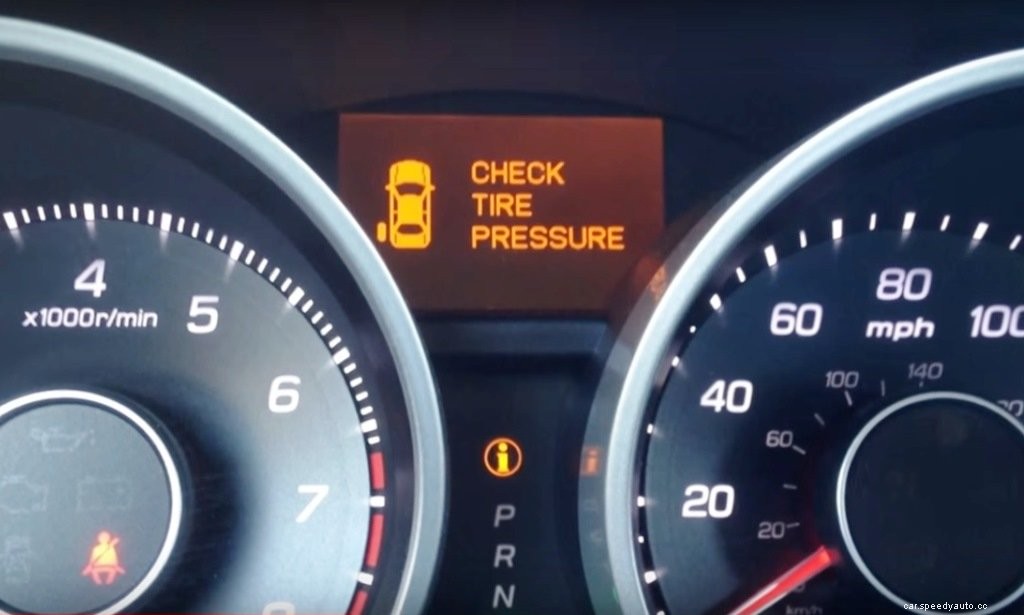
If you have this system installed in your car, learn these facts to understand its functions better:
Remember that improper tire pressure will also affect how well your tires grip the road, which could result in poor handling or an accident if you’re driving on a wet surface.
There are many benefits and a few downsides of a tire pressure monitoring system.
While a TPMS can prevent blowouts and other issues, there are also some disadvantages to having one in your vehicle.
Tire pressure monitoring systems (TPMS) are an important safety feature that is now standard on all new cars and light trucks. TPMS monitors the air pressures of the vehicle’s tires to help drivers maintain safe driving conditions. Learning about the facts about it will help you take full advantage of this system.
