
Electrical problems can be some of the toughest nuts to crack when it comes to automotive diagnostics, but there are really only a couple of potential issues that could cause a car’s electrical system to totally shut down. In modern gasoline and diesel vehicles, electrical power can come from two places: the battery and an alternator. If you’re driving along, and everything suddenly goes dead—no dash lights, no radio, no interior lights, no nothing—that means that power isn’t getting to any of those components. If the engine itself dies as well, that means the ignition system itself isn’t receiving power either.
When your car has an electrical problem you will notice any of the following:
There are a few reasons that lead to these symptoms above that you should check your car for.
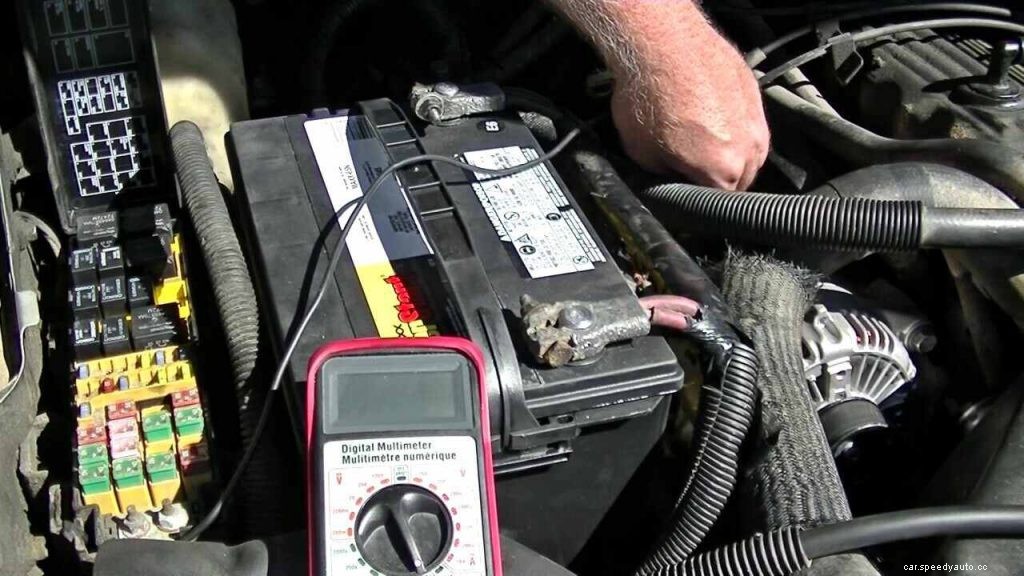
The battery connections should always be the first suspect in this type of situation, both because they are the likely culprit and because they are relatively easy to check.
If you find a loose connection on either the positive or negative cable, then you will want to tighten it up. If you notice a lot of corrosion at the battery terminals, then you may want to clean both the terminals and the cable ends before tightening everything up. You can also trace both the positive and negative cables to make sure that things are tight on the other ends as well. The negative cable will typically bolt up to the frame, so you’ll want to check for rust and make sure the connection is tight. The positive cable will typically connect to a junction block or main fuse block, and you can check those connections as well.
Some vehicles use fusible links, which are special wires that are designed to act like fuses and blow in order to protect other components. These are necessary and valuable components in the situations where they are used, but the issue is that fusible links can become brittle and somewhat less than pliable as they age. If your vehicle has any fusible links, you may want to check their condition, or just replace them if they are old and haven’t ever been replaced, and then see if that fixes the issue.
If the battery connections are fine, and you don’t have any fusible links, there are situations where a bad main fuse could cause this type of issue, although fuses typically don’t fail and then just start working again like magic.
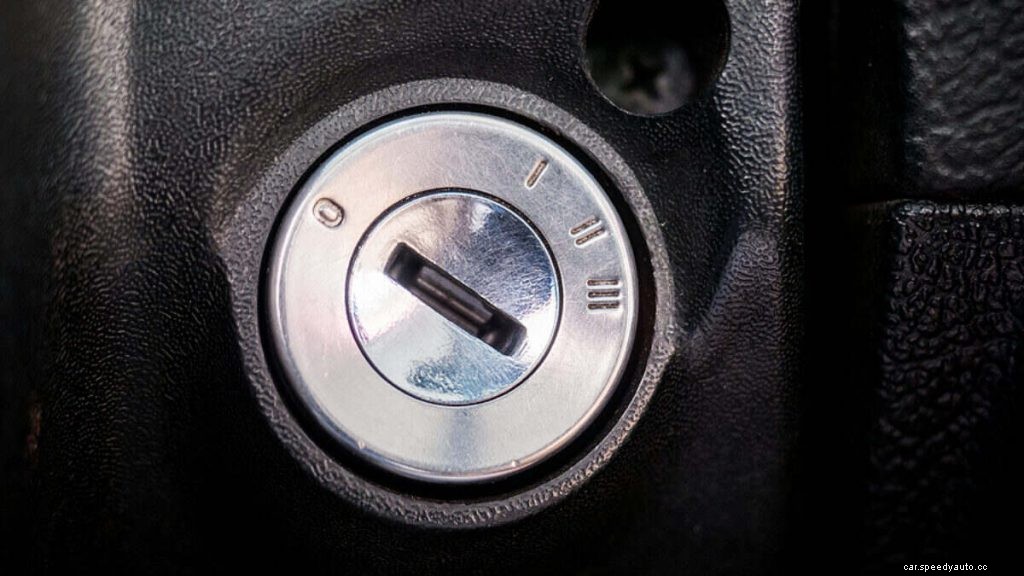
A bad ignition switch is another likely culprit, although checking and replacing one is a little more complicated than tightening battery cables.
The electrical portion of your ignition switch will typically be located somewhere in the steering column or dash, and you may have to disassemble a variety of trim pieces to even gain access to it. If you are able to gain access to your ignition switch, then a visual inspection that reveals any burnt wires is indicative of the type of problem that can cause a vehicle’s electrical system to suddenly cut out and then start working again.
Since the ignition switch provides power to both accessories like your radio and your vehicle’s ignition system, a bad switch can definitely cause both to suddenly stop working. The fix is to simply replace the bad switch, which is usually pretty easy once you’ve done the work of gaining access to it in the first place. Other ignition components, like the coil and module, do not cause a vehicle to lose all electrical power when they fail. When these components fail, the engine will die, but you’ll still have battery power available to run things like the headlights and radio.
If you’re experiencing a problem where the engine dies after you’ve been driving for a while, and then it starts back up after it has cooled down, a bad ignition module may be the culprit. However, you shouldn’t suspect the ignition module if you’re dealing with a problem where the vehicle loses all electrical power.
SEE MORE:
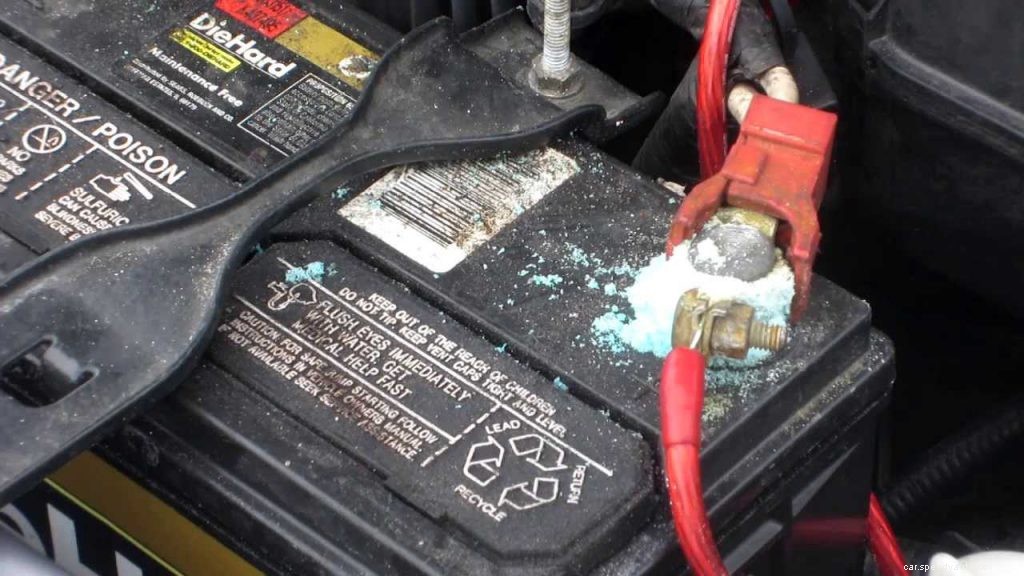
The car battery provides electricity to power the electrical components within your vehicle. The battery stores power, which your vehicle uses to perform three basic functions: starting the engine, running accessories when the engine is off, and powering the alternator’s voltage regulator. The chemical reaction occurs in the battery system, transforming the chemical energy into electrical energy to deliver voltage to the starter. In addition, the battery stabilizes the voltage to keep your engine running consistently and constantly. Without the battery, the car would not have the energy required to start and maintain the power to run your vehicle.
When looking at why you might have a “car completely dead with no power” situation, there are common signs and symptoms of a bad car battery that can cause this to harm your vehicle.
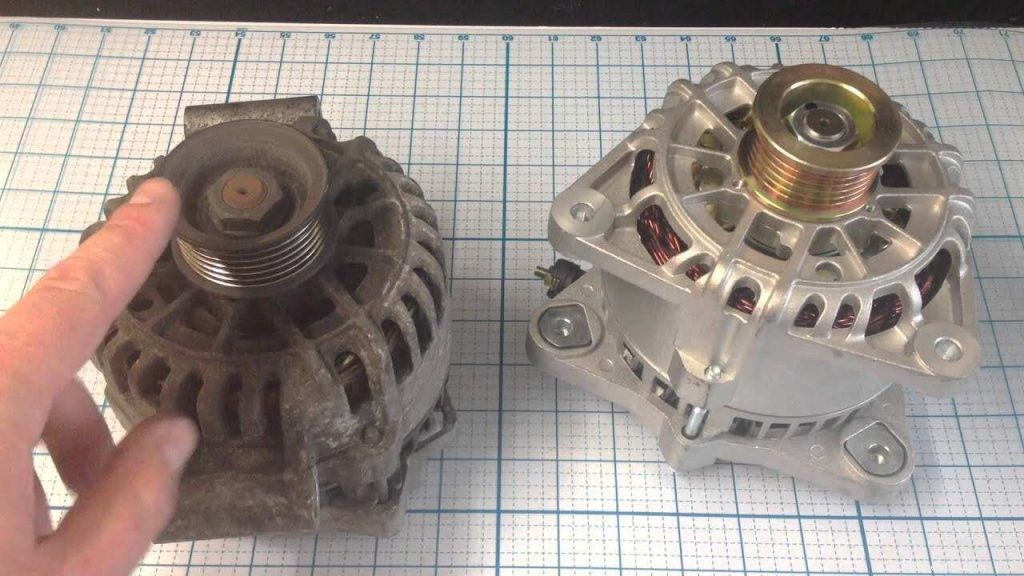
The alternator generates electrical power and is a huge part of the vehicle’s charging system. Almost all cars with an internal combustion engine contain an alternator as well. When the engine in your car is running, the alternator’s job is to maintain a proper charge in the battery and supply electric power to the vehicle’s electrical systems. The alternator is connected to the engine and is controlled by a drive belt. If the alternator doesn’t charge, then the engine won’t work properly, and you will have a “car has no electrical power” situation on your hands.
If you realize your alternator is not functioning correctly, then you can do a few tests on this part to ensure it is working in the right condition. Your mechanic can determine your alternator charging system’s status by using a battery and charging system tester. This battery and charging system test, which is known as an AVR test, can range from about $30-$50 if you get it done at an auto body shop. If the charging system did not pass the test, your mechanic needs to do further tests to see if the problem is the alternator not charging. Some other charging problems can include a drive belt fault or a defective ignition switch. If the drive belt doesn’t work, the alternator won’t be running properly, and it can’t provide a charge.
These are the signs of a bad alternator:
You might be experiencing your car suddenly has no electrical power for various reasons. However, checking on your distributor cap and dampness inside of your car, battery problems, damaged alternator components, debris-filled carburetor issues, battery terminal connections, and other conditions can help you prevent this issue. If you do not solve these problems before getting any worse, they can increase in severity and slowly kill your car over time! Visit Maintenance Tips for more information that can save your car like this!
