
There are certain rules to be followed when you are driving on the road. To ensure road safety, you have to alert other drivers before taking every action. Of course, cars have turn signals and brake lights, but there are hand signals for driving because not all drivers can utilize them. Plus, these indicator lights could be broken and useless. In that case, hands are the only medium to communicate with others to avoid accidents.
Maintaining communication with other drivers is necessary when you are changing your trajectory, moving to another lane, or adjusting the speed. Signaling makes other people on the street aware of your intentions.
The Department of Motor Vehicles (DMV) proposes the official language of hand signals for driving that all drivers must know for safety purposes. These are the basics of hand signals:
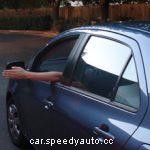
What is the arm signal for a left turn? When you are making a left turn or moving to the left lane from the right side, the steps you need to follow are:

The driving arm signal for turning right or moving to the right lane from the left side involves a couple of steps:
You need to press the brake when you want to stop or slow down on the road.

At the same time, you have to make these hand signals so that others understand what you are going to do:
When you want the vehicles behind you to move forward, show these hand signals:

You should show the hand signals for driving a while before making the turn or changing the lane. Maintain them until completing the move. The safest way is to give the signals at least a 100-foot before taking the turn. It will give other motorists adequate time to realize your intention.
You don’t need to use these signals other than some specific occasions. The state traffic laws require you to do that when:
You are driving early in the morning or evening because the light at these times makes it difficult to spot the light signals from other vehicles.
