
Unless you have been living in a cave, you must know ride-hailing services like Uber, Lyft and Grab, to name only a few. The last few years also witness the rise of car sharing services, or car clubs, that allow car rental by the hour. Instead of investing in a car, these ride sharing and car sharing models have both been gaining popularity worldwide thanks to their many benefits.
These include traffic reduction, environmentally friendliness, affordability and of course, the fact that you can enjoy car transport in bad weather or for other purposes without having to invest in a car yourself. Furthermore, ride sharing and car sharing is inevitable in expensive and populated metropolises like New York.
While such benefits are as clear as day, a common question is whether ride sharing and car sharing are more economical than car ownership, or in other words, in what circumstances does it make sense to rely on these services instead of investing in a car. Read on to find out now whether you can save money with these services or they are just another urban legend.
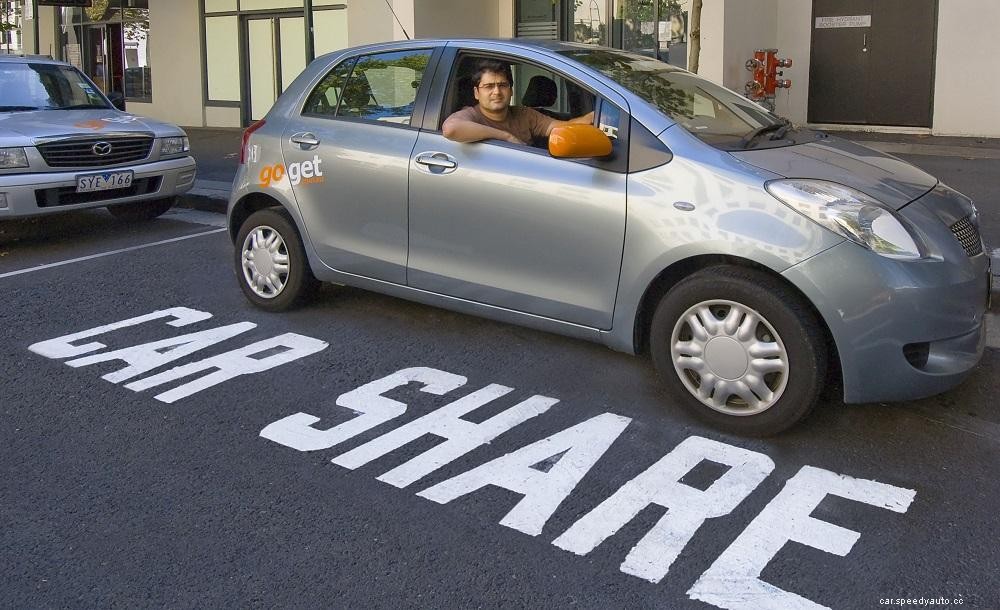
Ride sharing is a cheaper form of taxi, but not quite. Instead of being able to reserve a ride in advance by phone, all pickups are made on an app and are instantaneous. This is to balance supply and demand, and thus the cheaper price.
The cars are owned by the drivers, so you would get a different car each time, which can be a pleasant surprise or one with less room than desired.
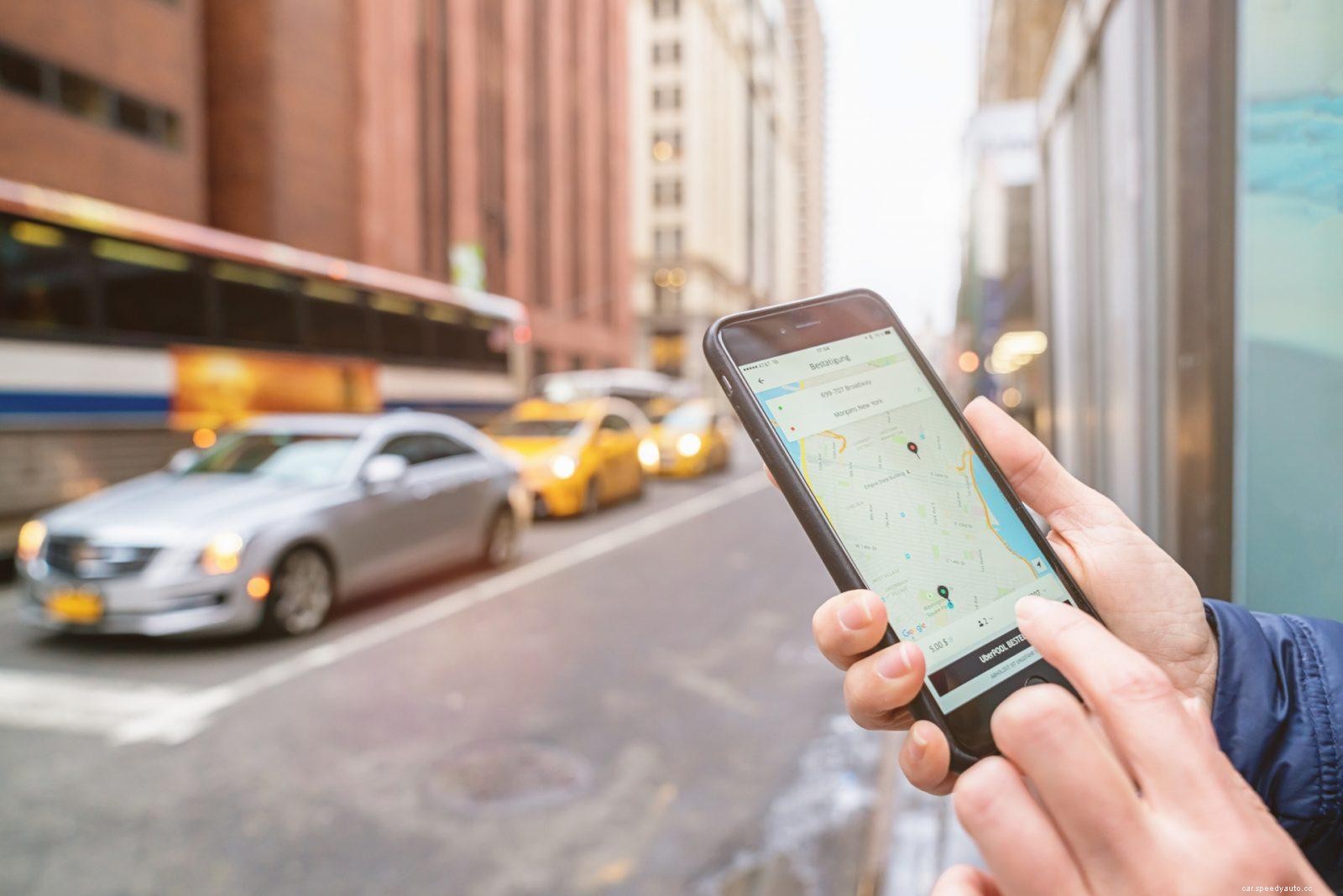
Another form of sharing, car sharing or also referred to as car clubs, is quite similar to car rentals, but also not quite. While the traditional form of car rentals would be cheaper if you’re renting by days, car sharing is definitely more economical if you need to drive by the minute or hour to go grocery shopping, for example.
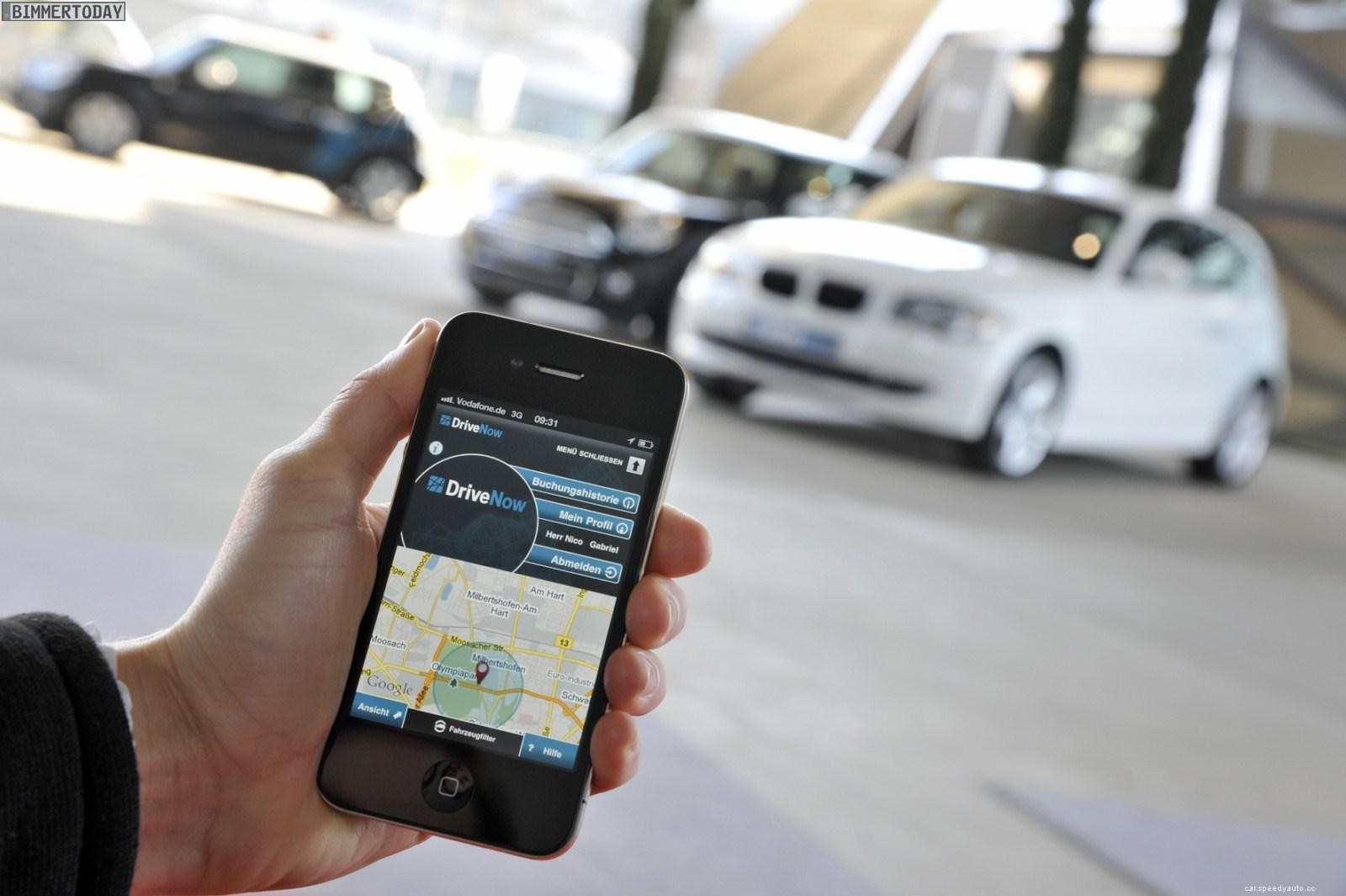
This service is often found in central locations, like a neighborhood shopping complex. You can check the model and other information on the available cars on an app, and even reserve on in advance. After driving to whenever you need to, simply use the in-car touchscreen or the app to end the ride, freeing up the car to the next user.
READ MORE
Research from AAA, a travel organization which advocates for individual motorists, revealed that using ride sharing services actually is more expensive than owning a car.
The numbers are derived by comparing how much a typical and average person will pay for both in 20 cities in the United States, where these services are widely available and used.
The calculation was based on the cost of owning a medium sedan and an average annual driving distance of 10,840 miles. It also takes into account car rentals for longer trips, which amounts to an average of 2.1 road trips per year.
The average annual cost to own a car is $7,321 per year excluding parking fees, or $10,050 including parking. Meanwhile, using ride sharing to cover the same distance costs $20,120 per year.
Car sharing typically charges by the hour: $8 to $10 per hour on average. On an hourly or daily basis, the cost of renting a car through car sharing services are much more expensive than driving your own car.
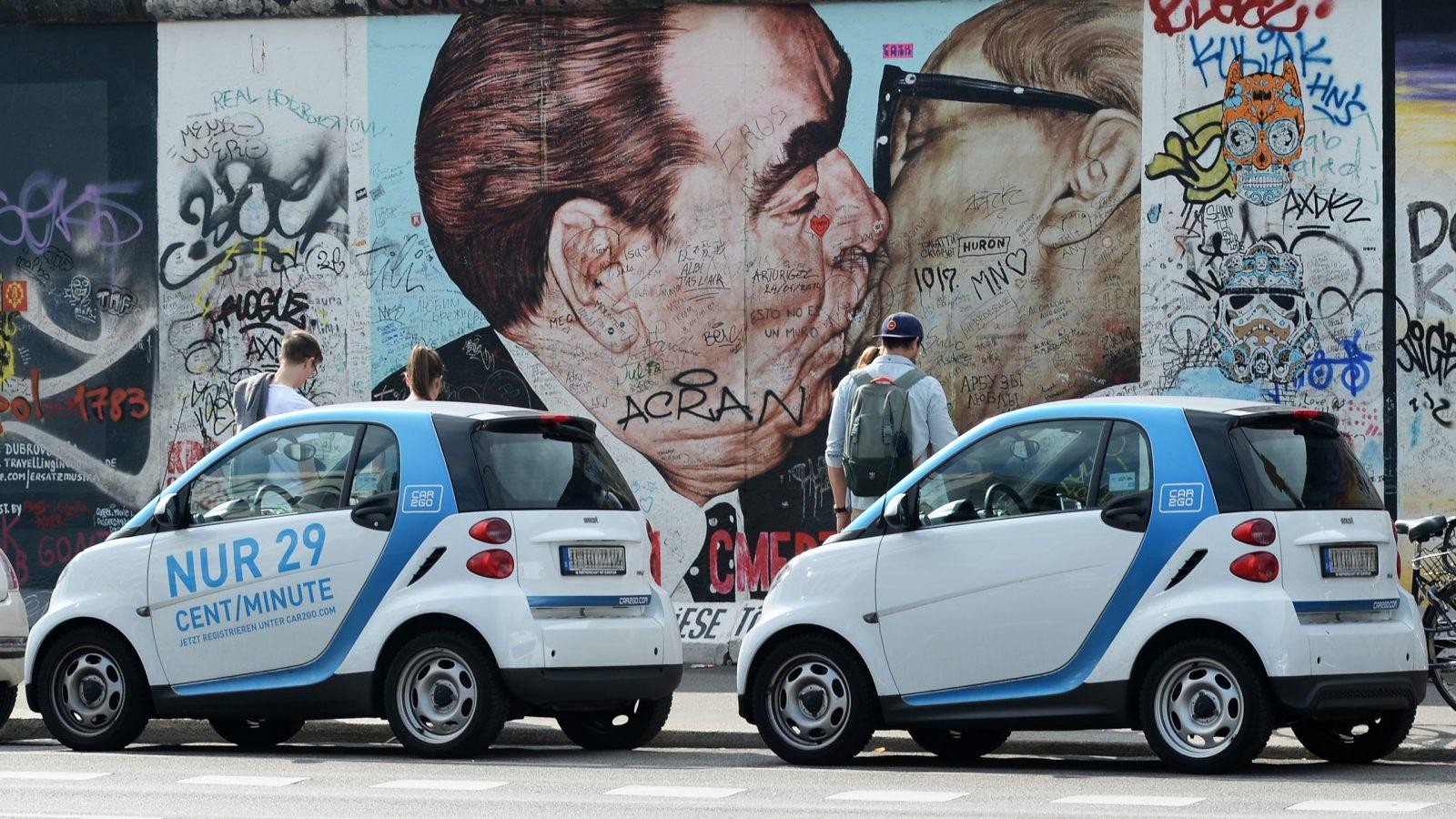
However, this is only when you drive daily and do cover some distances. If you live very close to work and can walk or bike to walk, then using car sharing for grocery shopping and occasional trips might make more sense than investing in your own car.
If you use car sharing services regularly, you would be paying around $70 per year for a service provider’s membership. In addition to this annual fee, you would be paying $8 to $10 per hour. In the case you need to rent a car for the whole day on the weekends, the most expensive days, you would be paying some $80 to $130 per day.
In summary, ride sharing and car sharing is not necessarily cheaper than owning a car. However, depends on you driving needs and the circumstances in your city, including how easy and cheap to find parking, using these services might be more economical and convenient.
