
Did you know that the particular cars you choose and how you drive them have the most significant impact on the environment among all the vast choices you make as a consumer?
While you may not care about reducing air pollution and greenhouse gas emissions, opting for a fuel-efficient car can potentially save you hundreds of dollars each year in fuel costs. This annual saving can add up to a sizable amount.
Or if you would like to go green but cannot afford electric or hybrid cars and alternative fuels, which are the most environmentally friendly options, you can change your driving habits right now to reduce emissions and also cut your fuel costs. Otherwise, simply choosing a fuel-efficient and low-emission gas-powered car alone means considerable environmental benefits.
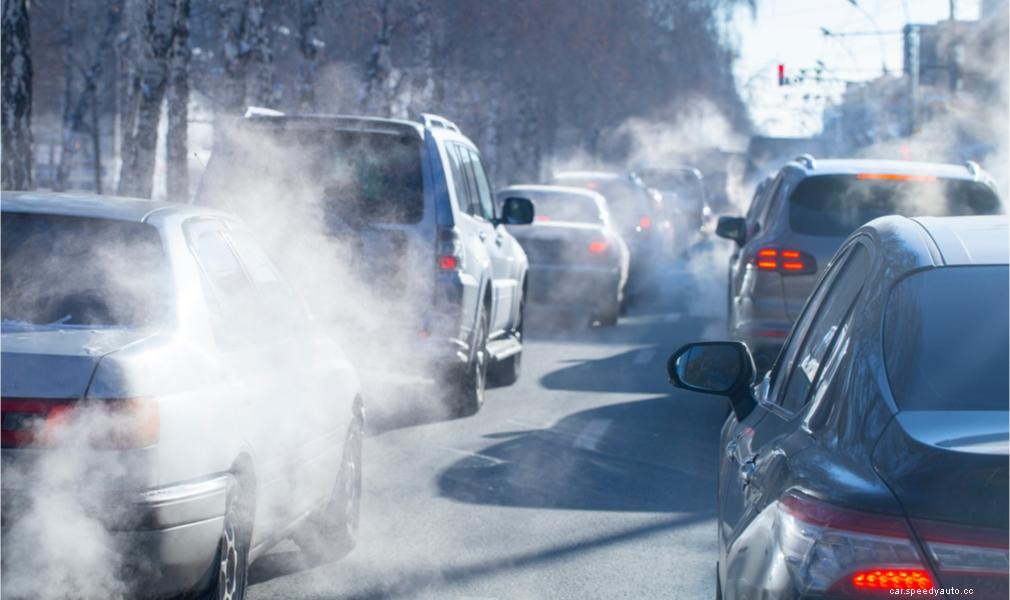
Being a responsible driver is both easier and cheaper than you would think. This comprehensive guide will teach you how to change your daily driving habits starting today to burn less fuel, cleaner fuel options and how much emission they can reduce, and how to choose more fuel-efficient and cleaner-emission cars.
At the end of this guide is a detailed explanation on how to read the updated Fuel Economy and Environment Label on new vehicles for sale, so that you can compare cars in terms of their fuel efficiency and environmental impacts. Start saving money and our planet today!
There are many things you can do today to start saving on your fuel cost and reduce air pollutants even without switching to a greener car or a greener type of fuel.
Here’s how to drive less and drive the right way:
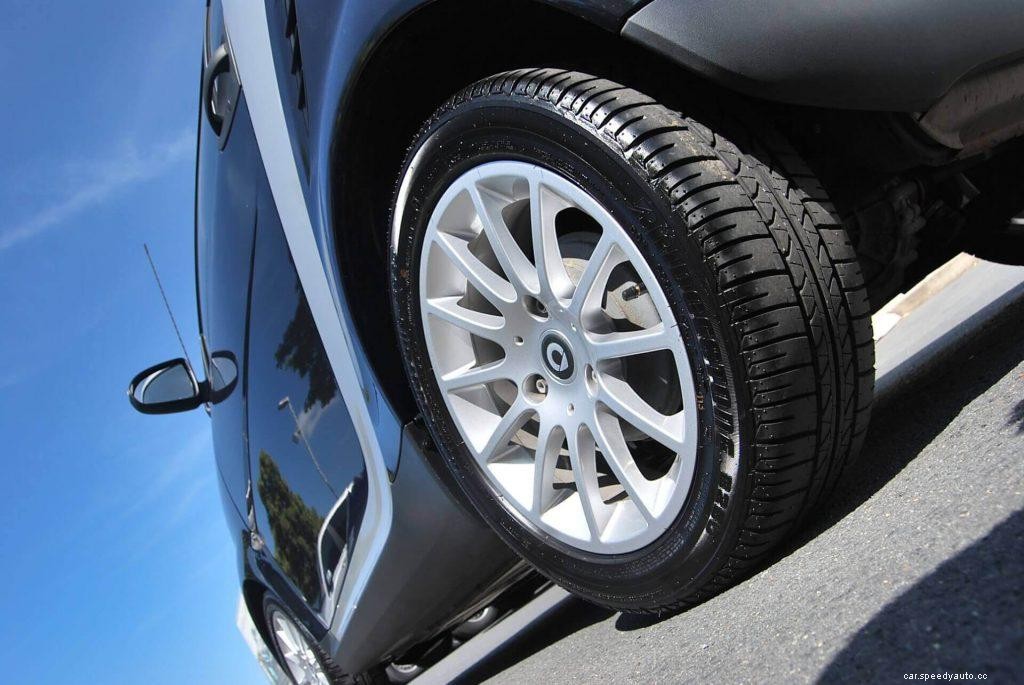
Keeping your tires inflated properly will ensure better fuel efficiency, since under-inflated tires means more traction, making your car work harder and burn more fuel than normal to get it moving.
READ MORE
In addition, it is needless to say a healthy car with regular and proper maintenance will most likely work as efficiently as it should. A number of problems with your car may cause fuel inefficiency and/or produce more emissions.
To learn how to service your car in your own garage, refer to our comprehensive library on pro maintenance guides and tips.

What car issues increase emissions?
Many issues can lead to higher emissions of toxic pollutants. For instance, incomplete fuel combustion can increase emissions of carbon monoxide. This issue can be a result of improper ignition timing, a dirty air filter, a fouled spark plug, a broken air pump, a stuck choke, or a faulty computer chip.
Similarly, increased hydrocarbon emissions can be a result of vacuum leaks, worn piston rings, fouled spark plugs, improper ignition timing or faulty ignition.

A simply well-maintained car will enjoy the optimal level of fuel economy, thereby minimizing the emissions of carbon monoxide, hydrocarbon and a number of other toxic air pollutants.
READ MORE
Since all of us drive daily or almost everyday, even changing small driving habits can contribute to significant reduction in emissions. Start driving less and burn less fuel while driving with these actionable advice.

Spending less time on the road by planning your trips wisely means less stress, more free time, burning less fuel and producing less air pollutants:
You might not expect this, but in addition to the emissions coming from your own car, you are also causing emissions in other ways:
If every consumer shops online and has their packages delivered to their doors, then worldwide vehicle emissions and air pollution would be significantly reduced. That is because instead of so many individuals driving around to get their groceries from a particular supermarket chain, that supermarket chain will send out only a few trucks to deliver to as many consumers as possible in a single day, each using the shortest combination of routes possible.

When shopping online, it is common for one seller, like Target or Walmart, to send different products in an order from different warehouses or stores. For one like Amazon, which sells offerings from many manufacturers, each manufacturer will send a separate package to your address.
Instead, now you can usually choose to have all your packages sent in one shipment only and also with minimal packaging. In addition, you can also choose longer delivery windows so delivery trucks can optimize their routes.
Gas-powered lawn and gardening equipment like the lawn mower, although small, can emit significant amounts of pollutants.
Easy tips to minimize emissions from these equipment:

Without switching to another car, you can start driving greener with cleaner fuels. Check with professionals which type of the following fuels is best for your particular car.
Low-sulfur gasoline and diesel reduce pollutants by 10-15% compared to regular gasoline and diesel.
Sulfur is a natural component in crude oil, and thus will always be present in gasoline and diesel unless removed. Sulfur is bad for your car engine and the environment.
The sulfur dioxide from your car’s emissions reacts with oxygen and water vapor to become sulfuric acid, which causes acid rain. Even in very small quantities, it can generate particulates or extra fine sooty emissions, which causes or contributes to asthma and cancer.
Due to sulfur’s harmful impacts on air pollution and our health, low-sulfur gasoline and diesel were introduced along with stricter sulfur standards and limits imposed by many countries and cities.
READ MORE
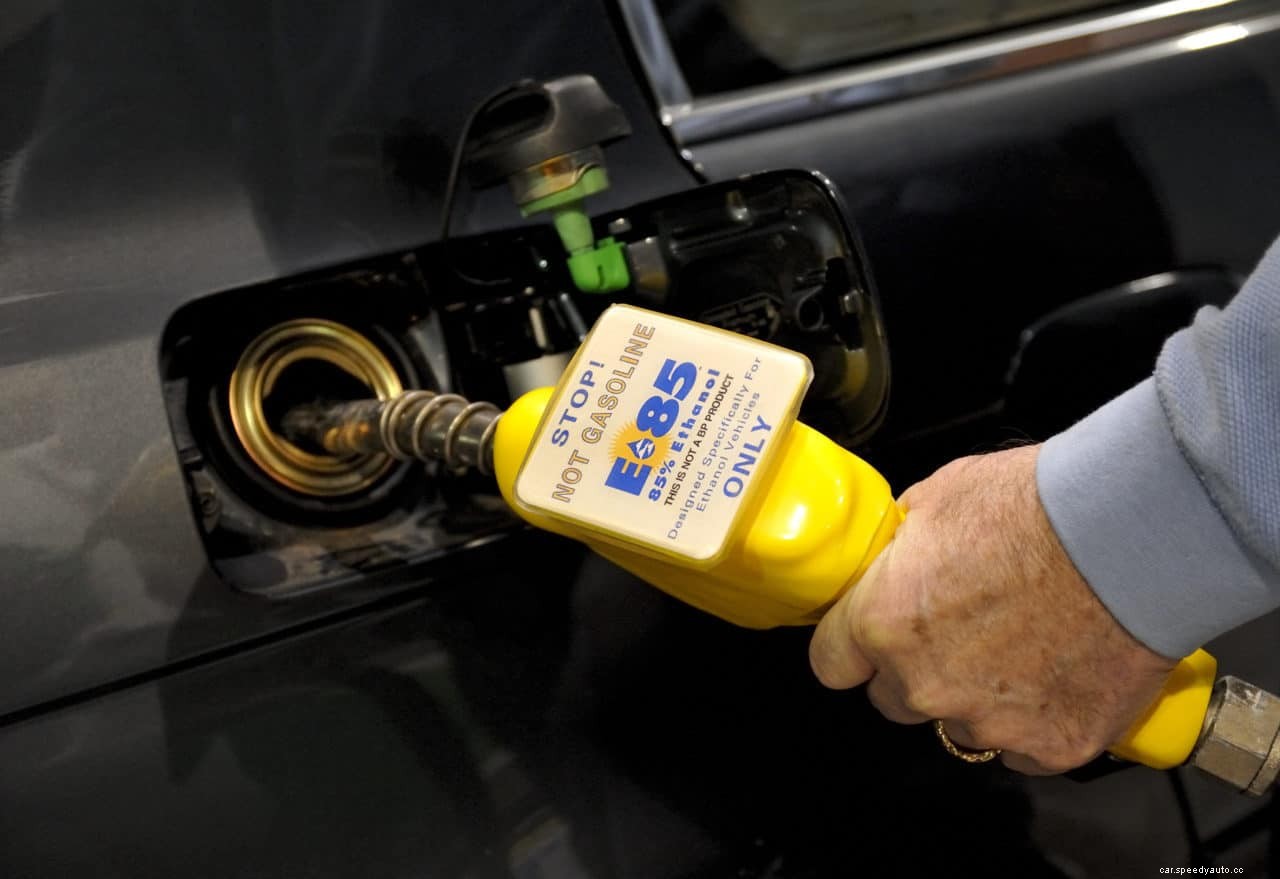
E85 or 85% ethanol fuel is a blend of 85% ethanol and 15% gasoline. E85 was first invented and introduced during the 1920s, and was in high demand during World War II because of fuel shortages.
Currently, E85 is produced primarily from corn sugar cane or starches, with potential for other plant-based cellulose materials to be used in future mass production of E85.
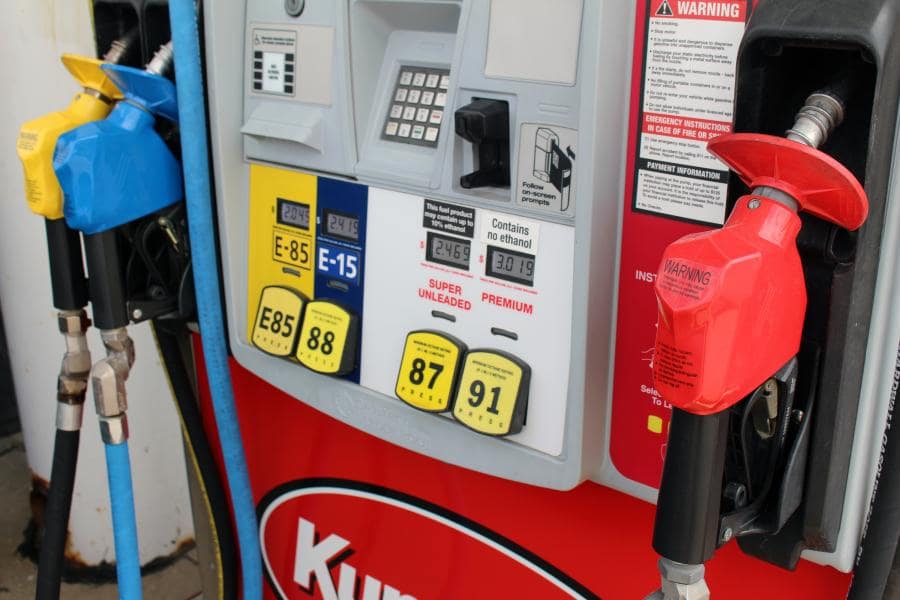
Compared to conventional gasoline, E85 produces cleaner combustion and thus fewer emissions of pollutants. In addition, including the energy required to grow corn or sugar cane and for the production process, E85 generates less greenhouse gas emissions than gasoline by 20%-25%.
E85 is typically used in “flexible fuel” or “flex-fuel” vehicles. The good news is a growing number of cars on the road today are also capable of burning this cleaner fuel.
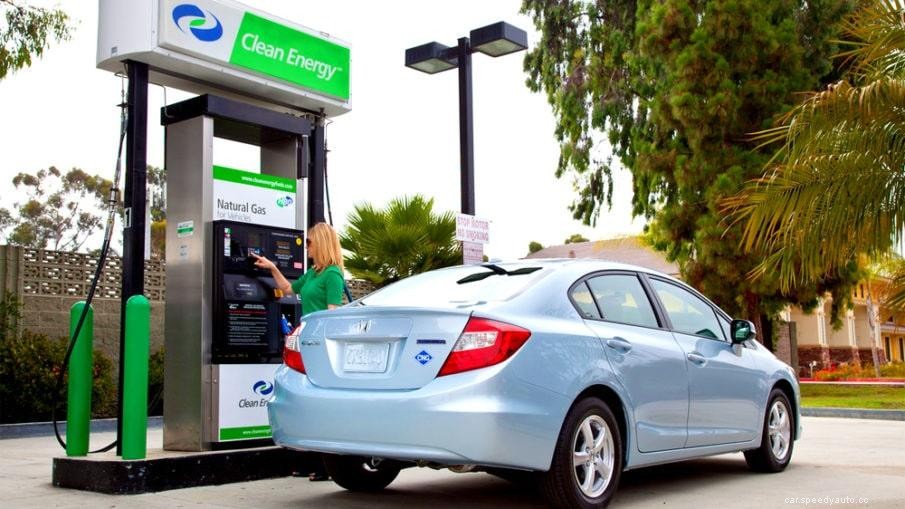
Cars run on natural gas emits 25% less greenhouse gases than those run on regular gas or diesel. Not only that, natural gas is also cheaper, costing $1.50 to $2 less per gasoline-gallon equivalent.
You can convert your current gas-powered car so that it can run only on natural gas convert it to a bi-fuel vehicle, that is it can run on either gasoline or natural gas. The great news is, like with E85, car manufacturers are making an increasing number of bi-fuel vehicles or cars that only run on natural gas.
Biodiesel reduces air pollutants by 20% compared with low-sulfur diesel, which in turn already produces less emissions than traditional diesel by 10-15%.
Unlike natural gas which requires conversion, biodiesel can be used in your existing car without any changes to your engine, a characteristic that offers considerable convenience. While regular diesel fuel is made from petroleum, biodiesel is manufactured from a variety of vegetable oils, animal fats, and even recycled restaurant grease.
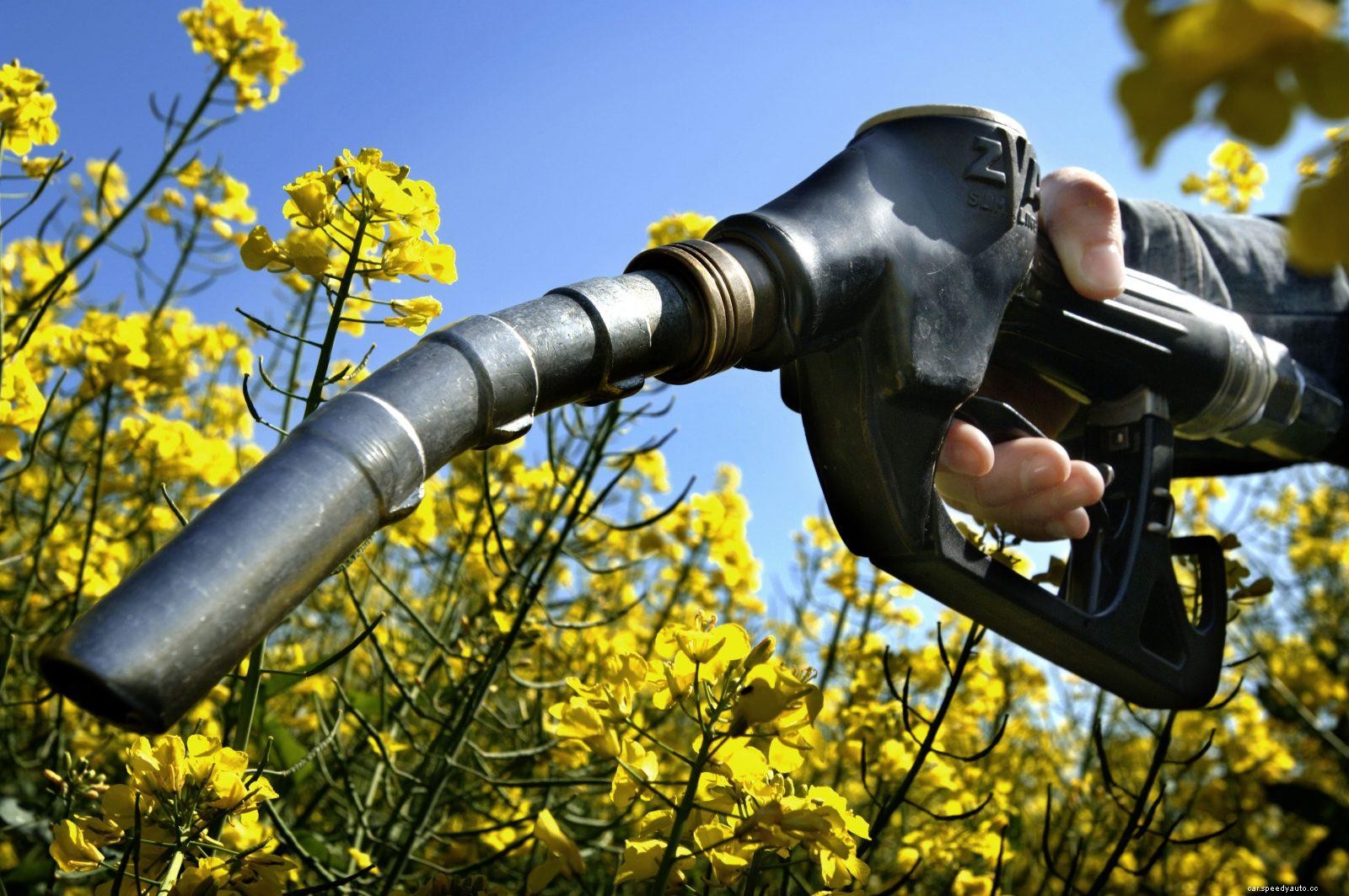
Biodiesel works in the same way as petroleum-based diesel. You can use only biodiesel or blend it with petroleum-based diesel in any proportion.
Biodiesel typically sells for 20 cents to 80 cents more per gallon compared to traditional diesel. However, we can be hopeful that its price will lower in the near future thanks to advanced technology.
If you’re planning to go green in the long term, consider switching to a car that is more fuel-efficient, that is it can run longer distances on less fuel, and/or emits cleaner emissions.
Fuel efficiency is measured by the distance a vehicle can travel by burning one gallon of gas and expressed in miles per gallon (MPG).
Every car has an MPG rating, along with other fuel-efficiency measures. A rule of thumb is to shop for a car rated at at least 32 MPG.
Over the years, vehicle testing has been greatly improved to better reflect real-world driving and as a result, the MPG rating is much more accurate and reliable now.
Countries may have different federal emissions standards. In the United States, such standards are set by the Environmental Protection Agency (EPA).
Look for the fuel economy label under each car’s hood to check if it’s classified as a low-emission or ultra-low-emission vehicle. For details on how to read the different measurements on this label, scroll down to the end of this guide.
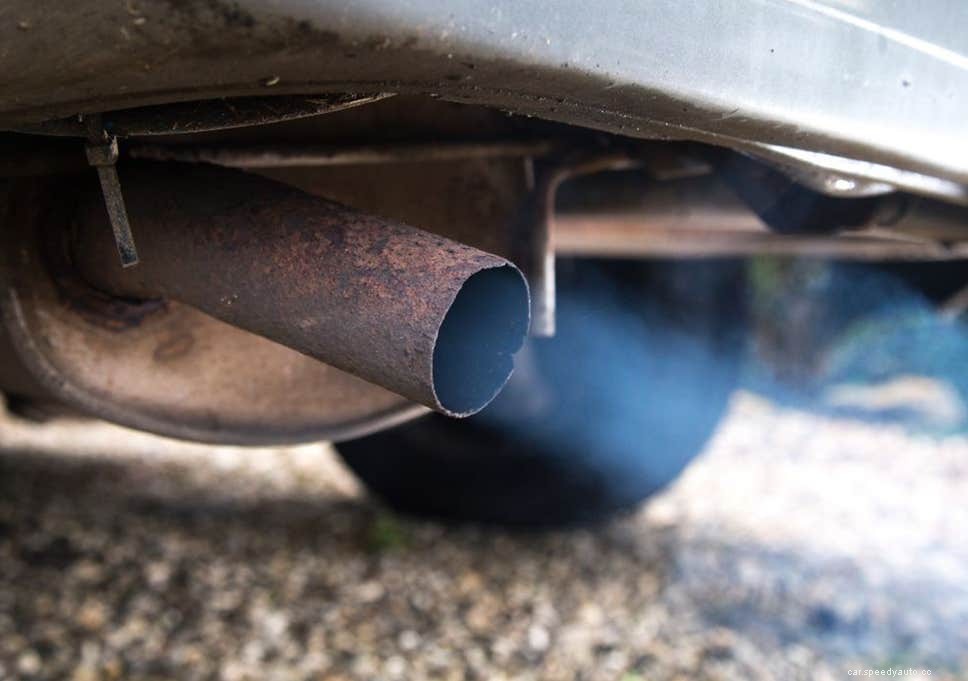
With the advancement in automotive manufacturing, the later generation of cars are much more fuel efficient and produce less toxic emissions compared to older models. If you love a particular vintage design, consider having it fixed up so that you have the best of both worlds: a classy design and a greener engine.
READ MORE
A quick note on diesel-powered cars: they are on average more fuel efficient than gas-powered counterparts, however, their exhausts are more polluting. Solution: go for the later generation of cleaner diesels.
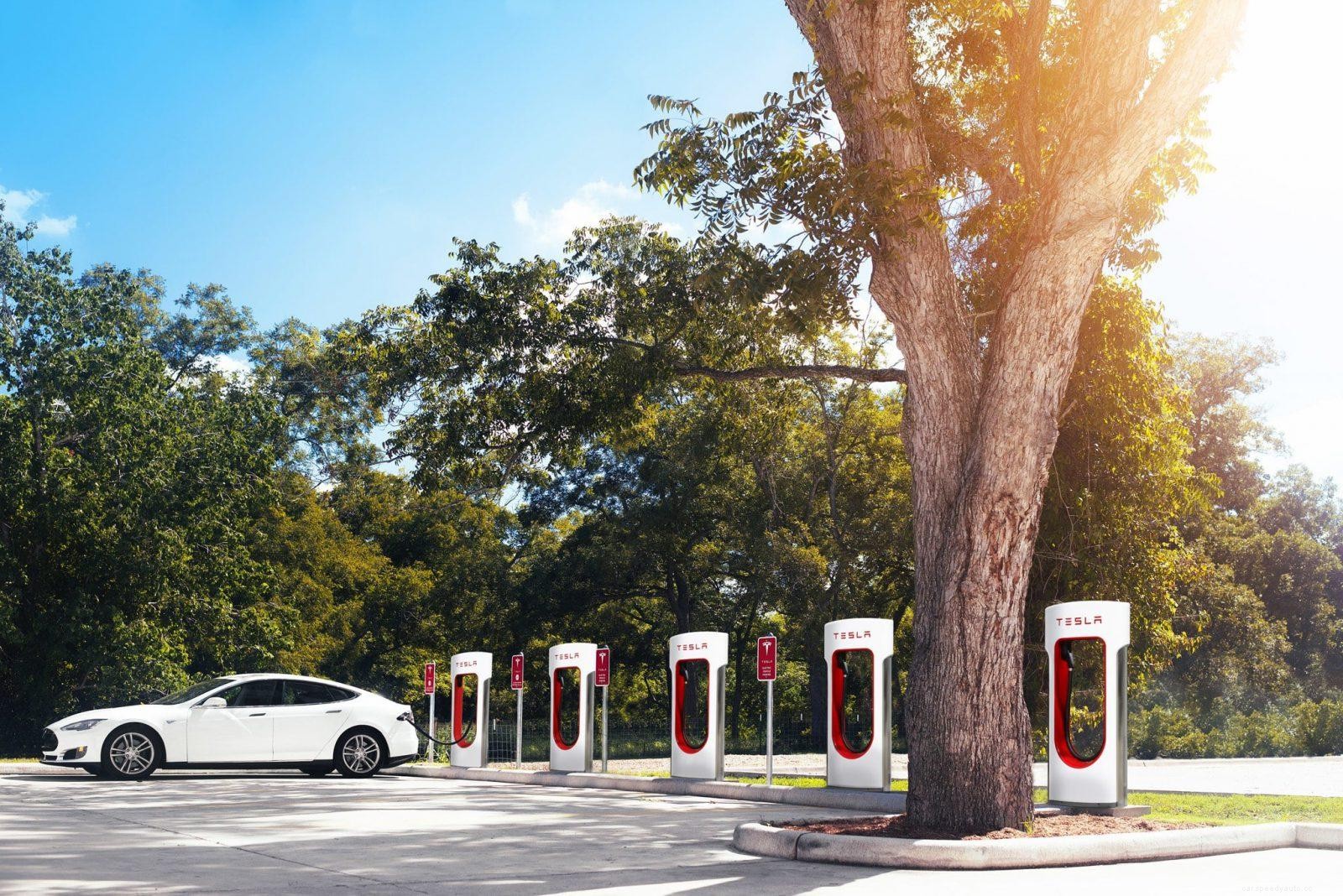
While electric vehicles produce no emissions, a hybrid is already considerably a greener alternative. A hybrid combines a gas or diesel engine with an electric motor, thus burns less fuel.
To encourage the use of hybrid vehicles, many governments grant lower taxes to hybrid car owners, such as first year road tax and company car tax.
READ MORE
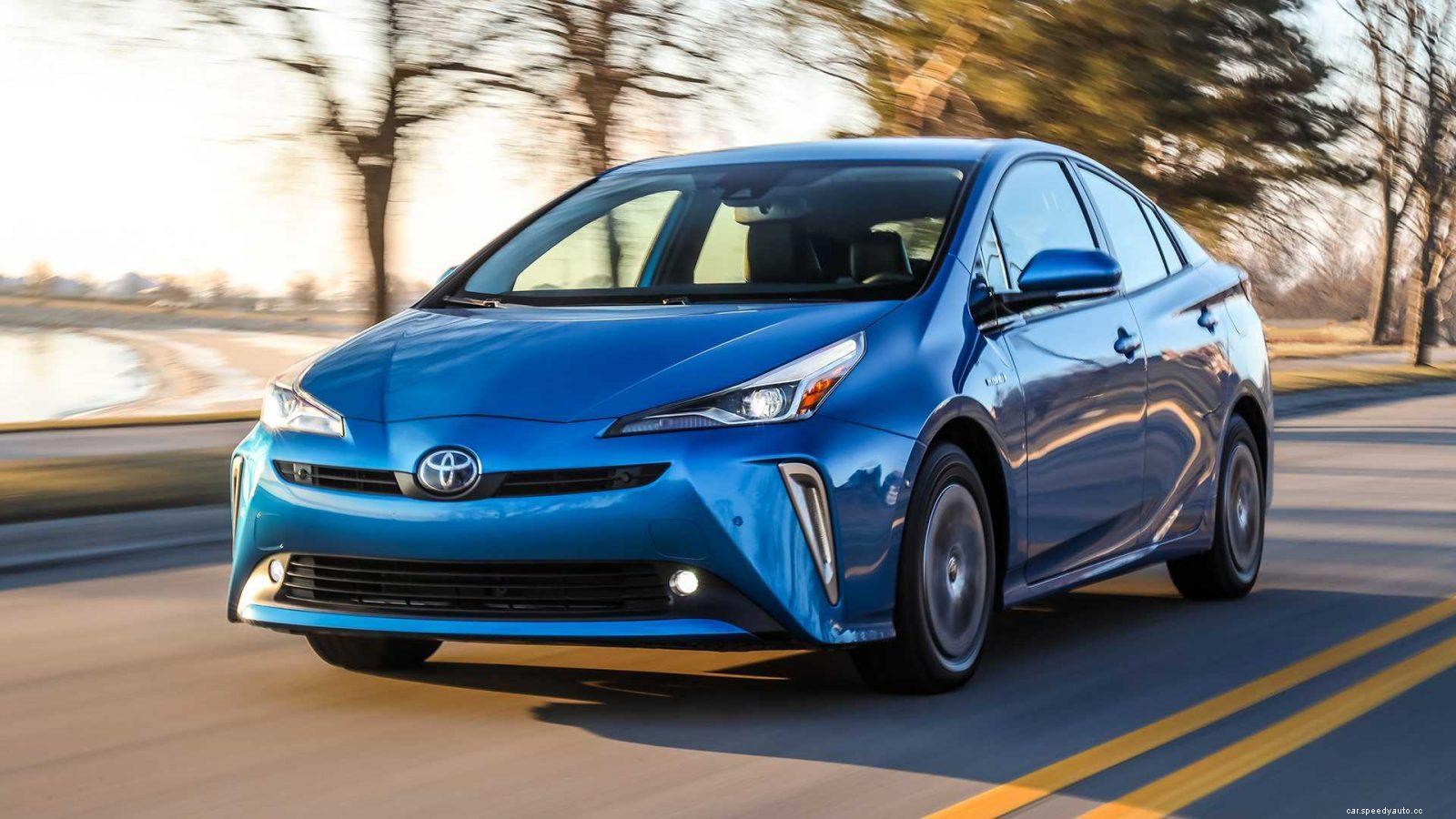
There are 3 types of hybrid vehicles:
Parallel hybrids:
The car runs by the engine alone, or the electric motor alone, or by both at the same time. This is the most common type you will find on the road, with the Toyota Prius being the most popular.
READ MORE
Range extender hybrids:
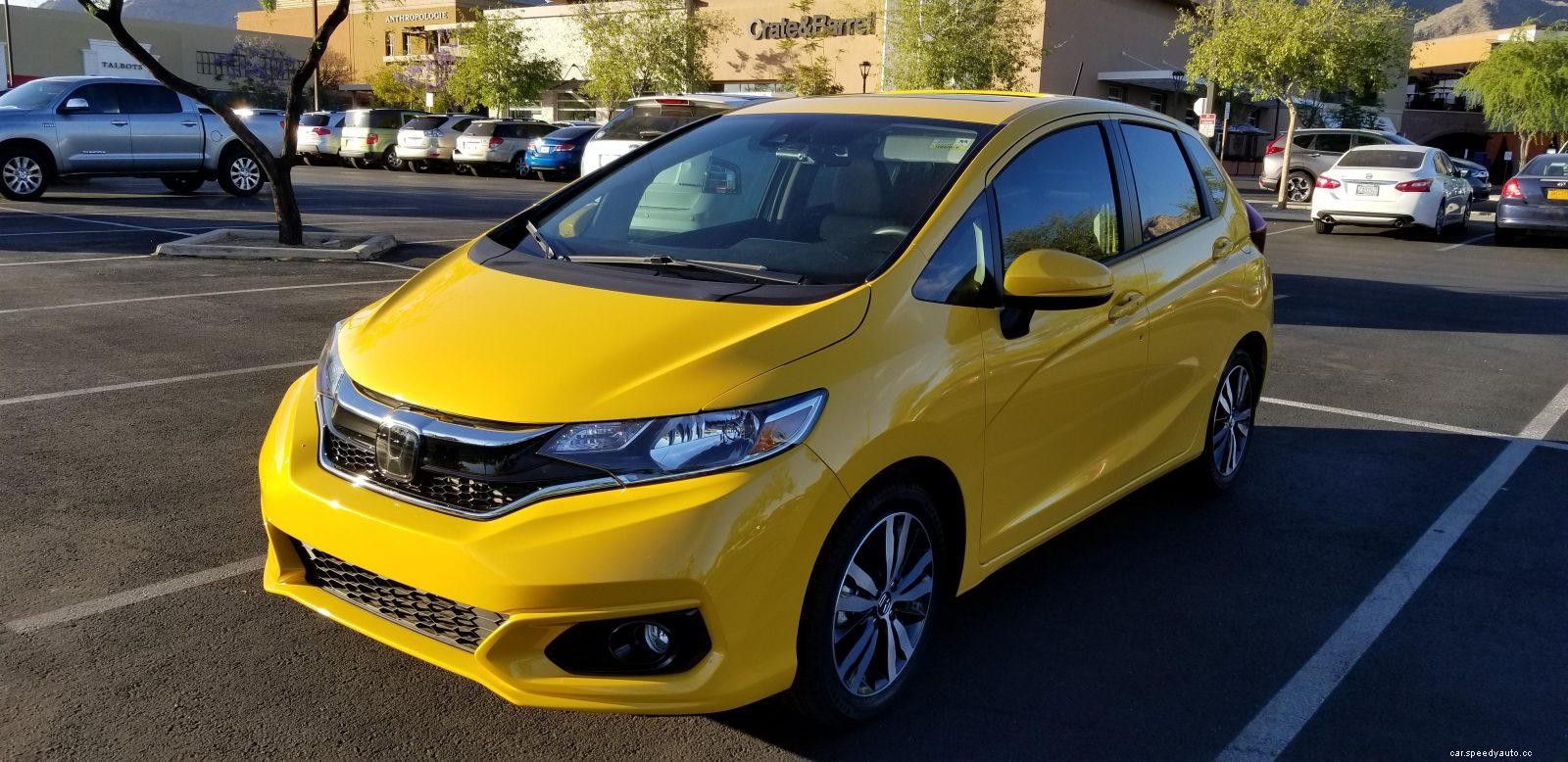
The engine never directly powers the car but only produces energy for the electric motor to operate. In other words, the engine generates enough electricity for the generator to charge the batteries.
The BMW i3 and Honda Jazz are popular choices in this category.
READ MORE
Plug-in hybrids:
Being right in the middle between the common parallel hybrids and full electric vehicles, these hybrids can be plugged in at power outlets to recharge their batteries.
Compared to the other 2 types of hybrid, plug-in hybrids have larger battery banks and can run longer distances on electricity alone.
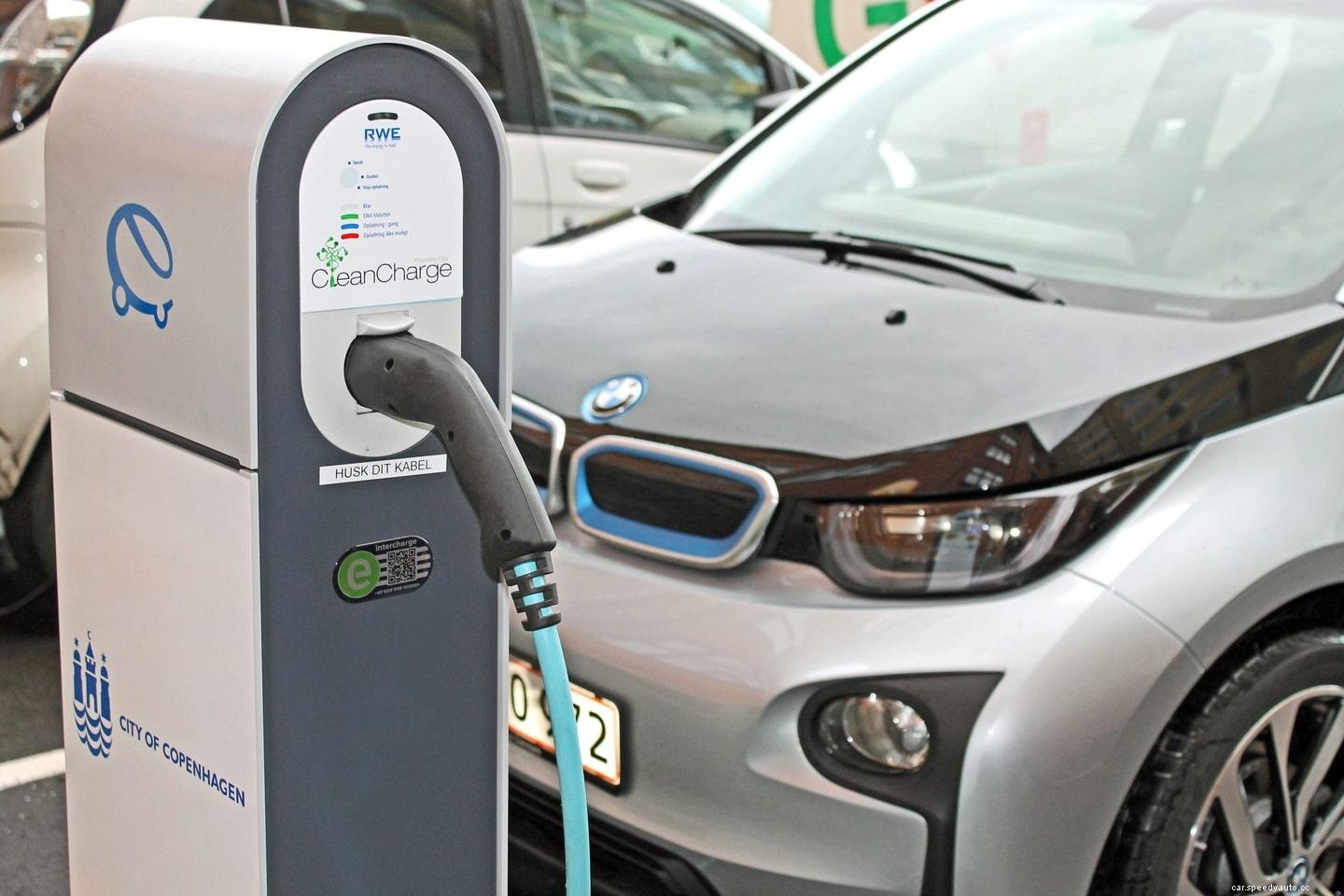
You can choose from a larger variety of plug-in hybrids nowadays, with the top rated ones being Toyota Prius, Mitsubishi Outlander and Volvo V60.
READ MORE
Flexible fuel or flex-fuel vehicles (FFVs), also called dual-fuel vehicles, run on 100% E85 or 100% gasoline or any combination of the two. They are increasingly popular these days, with almost 20 millions such vehicles in the United States alone.
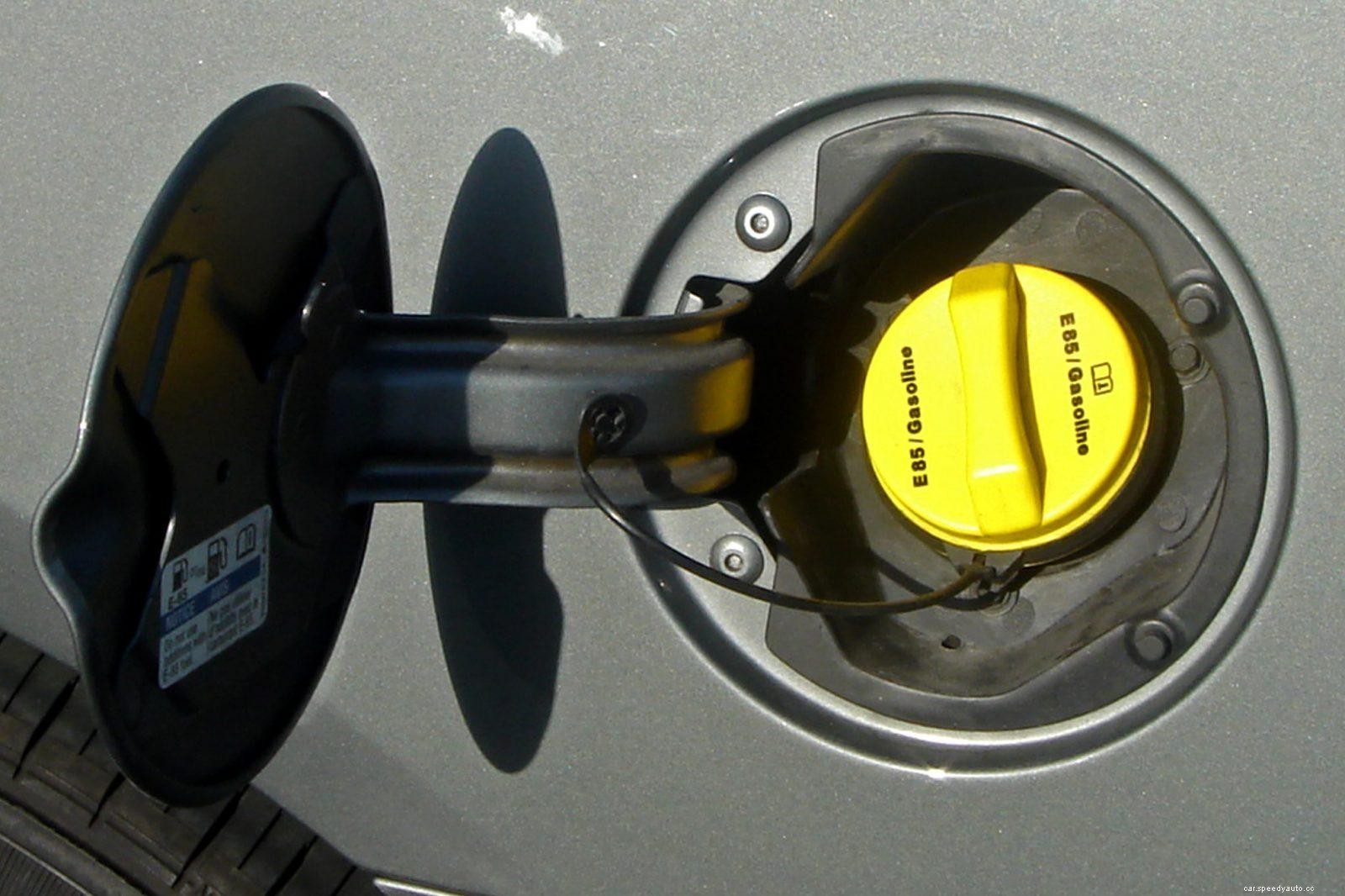
Began with the 1994 Ford Taurus, the list of flex-fuel vehicles today is vast and includes many brands and models to choose from.

READ MORE
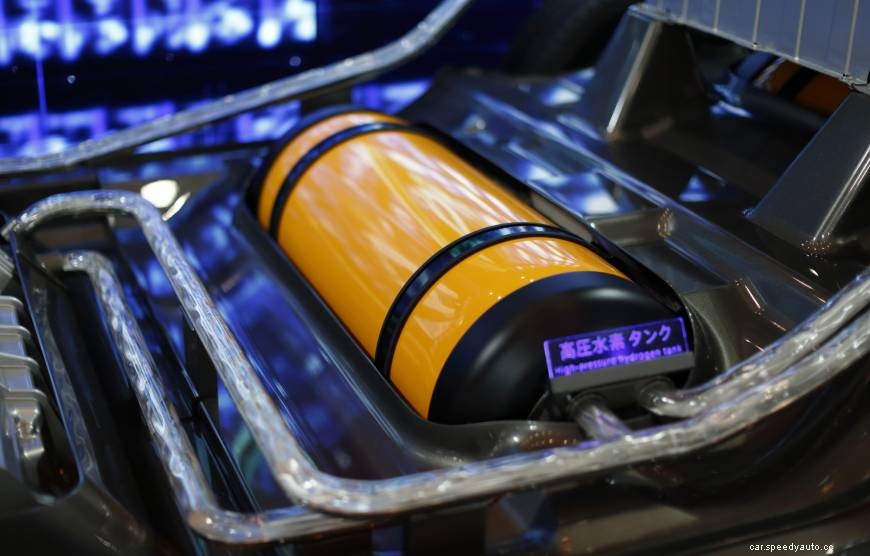
Hydrogen fuel cell vehicles run on compressed hydrogen fed into a group of individual fuel cells, which produces electricity in a rather similar way as a combustion engine. They therefore have no emissions.
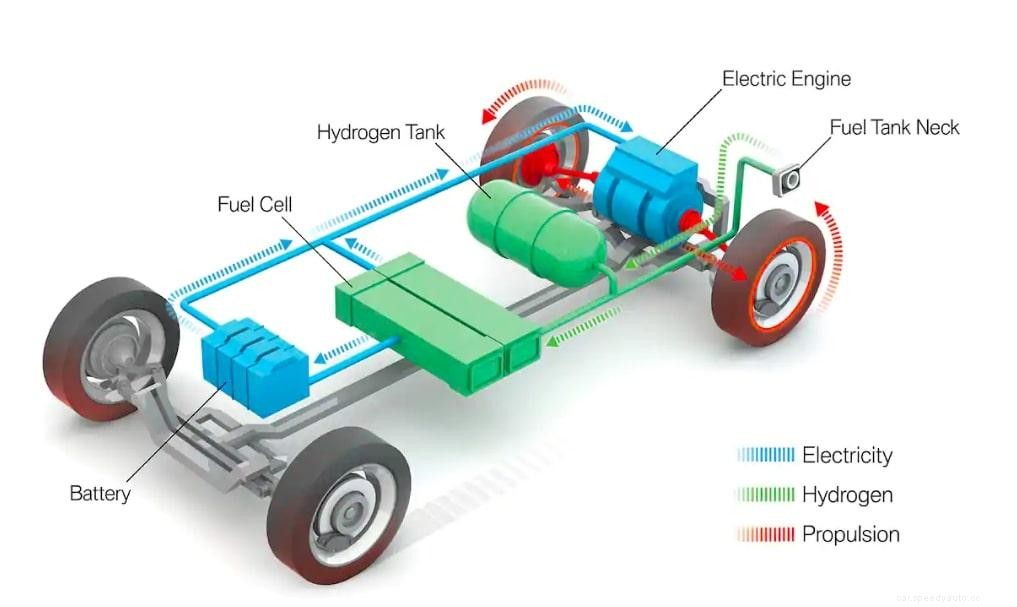
Interestingly, a fuel cell can be combined with an electric motor to create zero-emission dual vehicles.
Unfortunately, at the moment, hydrogen fuel is much more expensive than gasoline. It typically sells for around $14 per kg, which is equivalent to $5.60 per gallon of gasoline and translates to some $0.21 per mile. In addition, fueling stations are highly limited.
READ MORE

In 2012, the United States Environmental Protection Agency (EPA) and the National Highway Traffic Safety Administration (NHTSA) implemented dramatic improvements to the Fuel Economy and Environment Label on new vehicles for sale.
Now car buyers can make car by car comparisons with much ease with regards to a number of metrics, including fuel economy, annual fuel costs, smog and greenhouse gas ratings, and other environmental measures.
Below are three examples for labels on gas-powered cars, electric cars and plug-in hybrids, and what each metric means.
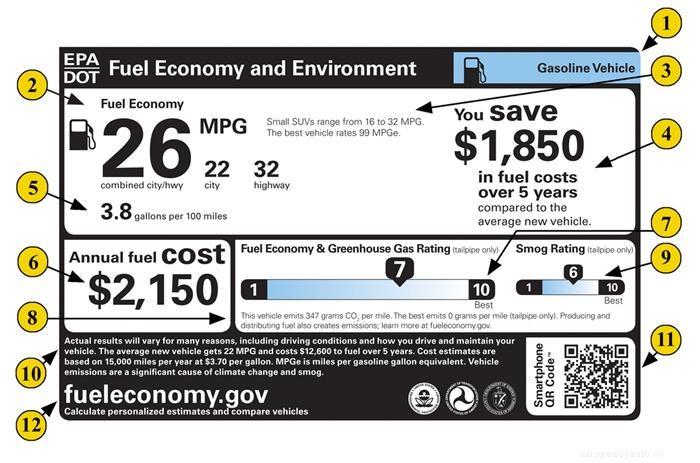
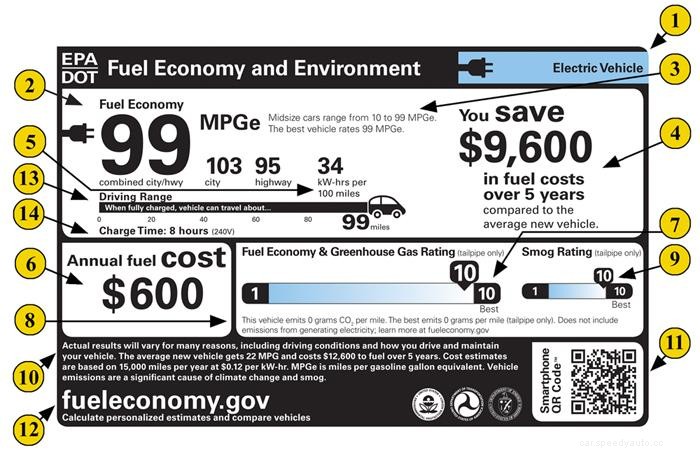
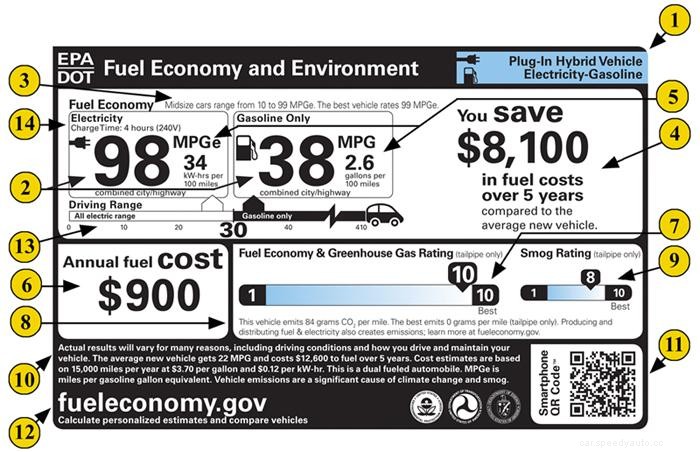
Look here to know the minimum and maximum ratings for fuel efficiency, and compare a particular vehicle to others in the same category.
This is the estimated potential saving in fuel cost this vehicle will bring over five years relative to another average vehicle, based on the assumptions detailed at the bottom of the label.
Unlike MPG, the fuel consumption rate directly expresses the amount of fuel consumed, and thus fuel cost.
READ MORE
This estimate is based on two assumptions: an annual mileage of 15,000 miles and a forecasted fuel price. The inputs for forecasted fuel prices is provided in #10. Details in Fine Print.
Each vehicle is rated from 1 (worst) to 10 (best) for fuel economy and carbon dioxide emissions per mile. Higher fuel economy usually means a better rating for carbon dioxide emissions.
Gas-powered vehicles will have only one rating as the amount of fuel consumed directly affects carbon dioxide emissions.
This section of the label includes three pieces of data:
On a scale from 1 (worst) to 10 (best), this rating concerns those pollutants that cause smog, including nitrogen oxide, non-methane organic gas, carbon monoxide, particulate matter, and formaldehyde.
This section clarifies the inputs for forecasted fuel prices for estimating annual fuel cost in 5 years: a fixed annual mileage of 15,000 miles plus fuel price forecasts from the U.S. Energy Information Administration for the year of the model, updated annually.
Scan the QR Code® 1 on the label using your smartphone to get access to additional information about the car you’re eyeing.
For electric vehicles and hybrids, this value estimates the number of miles that each charge allows.
This shows how long it takes for an electric vehicle or a hybrid to charge a fully empty battery with 240 volt electrical service.
For comparisons, all such vehicles will display a charge time when using 240 volt service. Do note that using voltage lower than 240 means longer charging times.
