
Getting behind the wheel can be stressful enough with distracted drivers, darting deer and other hazards of the road. So when your foot hits the brakes, you don’t want to hear an unusual sound.
Let’s take a closer look—or listen—to your noisy brakes, and find out when to get professional help.
According to auto experts, these are the most common brake sounds and their interpretations:
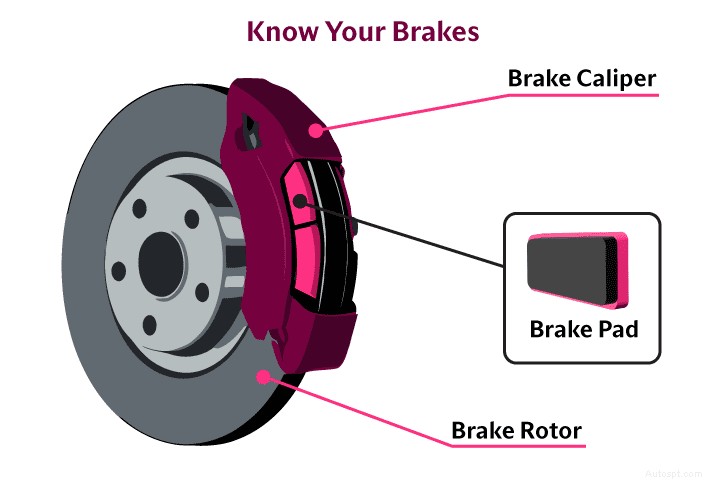
If the sound you’re hearing doesn’t fit any of the above categories, that doesn’t mean you’re in the clear. The pros say a seized brake caliper and bad wheel bearings may be at fault.
Typically, your brakes only talk when they’re engaged, but if you hear a sound when you’re not pressing the pedal, experts suggest you get that checked out too.
No matter how much of a rush you’re in, don’t ignore unusual sounding brakes until you get home. Find a safe place to pull over and triage the situation.
First, identify the sound. When you call roadside assistance or your local mechanic, describing the sound will help them diagnose the problem and determine your next steps.
Let a professional do the work, even if you’re experienced with brake replacement or repair (and happen to have all the parts on hand). Another reason it’s worth calling the shop: modern auto technology. What once may have been an easy fix may not be as straightforward now. And the damage you could cause to your car may end up costing a lot more than a mechanic’s repair, in addition to putting your precious cargo—pets and people alike—at risk.
In some cases, squeaky brakes aren’t a problem: If you’re driving a new car, the brakes may squeak a bit as they settle.
Moisture from weather (including overnight condensation), dirt and debris, pulling heavy loads, and heavy use of your brakes (for example, riding the brakes down a steep hill or frequent, sudden slams in city traffic) are all causes of noisy brakes that are generally not cause for concern.
If you’re logging the miles visiting family or ticking boxes off a travel bucket list, your brakes will probably let you know when they need some attention. Causes include everything from damaged hardware to the type of materials used to make the brake pads, experts say. That’s why it’s important to have car insurance you can depend on; so you can drive with confidence knowing you’re covered.
Depending on the diagnosis, proceed safely to the route—or stay put until a friend or friendly roadside assistance mechanic comes to help.
