
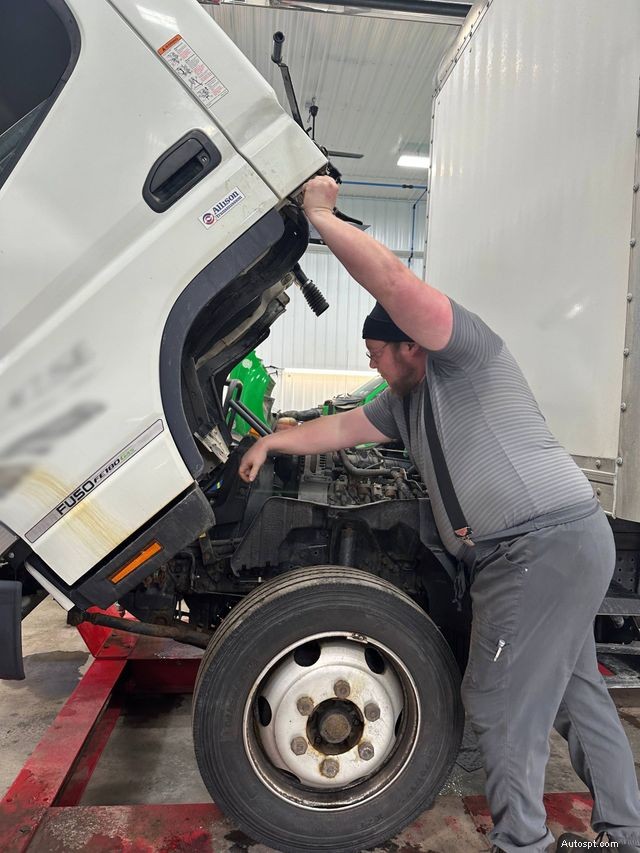
If you’ve ever dropped off a vehicle, especially a work truck, and wondered what actually happens behind the shop doors, you’re not alone. Most people picture a quick scan or a fluid check. In reality, a proper inspection is much more hands-on and methodical. When a fleet vehicle comes in, we’re not just looking for what’s already broken. We’re looking for what’s about to become a problem. Let’s walk through what that process really looks like, and why it matters.
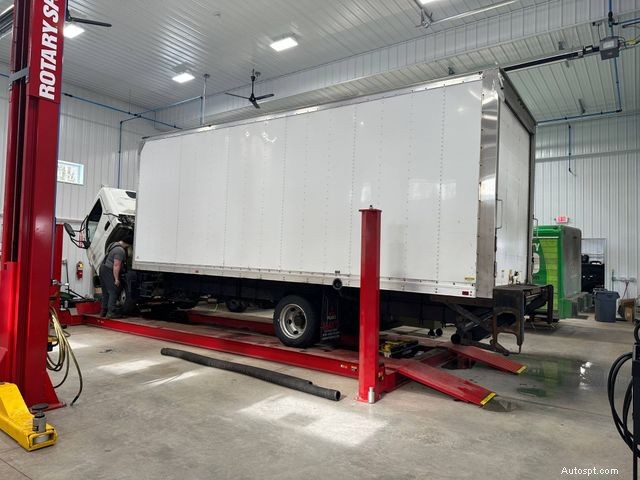
It Starts With the Concern, Not the Tools
Before we even pick up a wrench, we start with the reason the vehicle came in.
Maybe you’ve noticed:
That information matters more than most people realize. It helps narrow down where to look first. Two vehicles can have the same symptom but completely different causes, so we don’t assume- we verify.
A Visual Inspection Tells Us More Than You’d Think
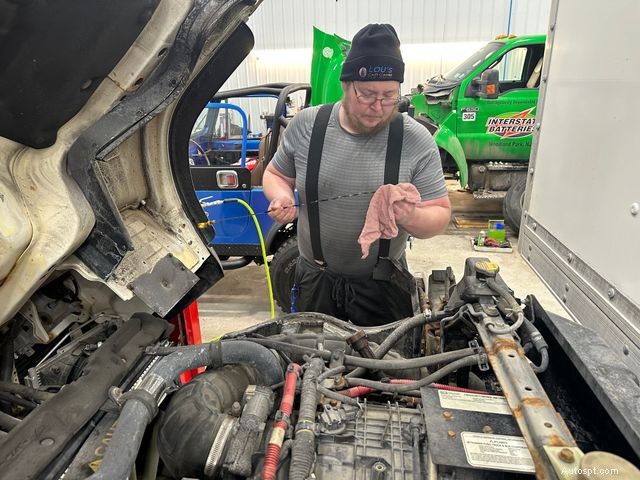
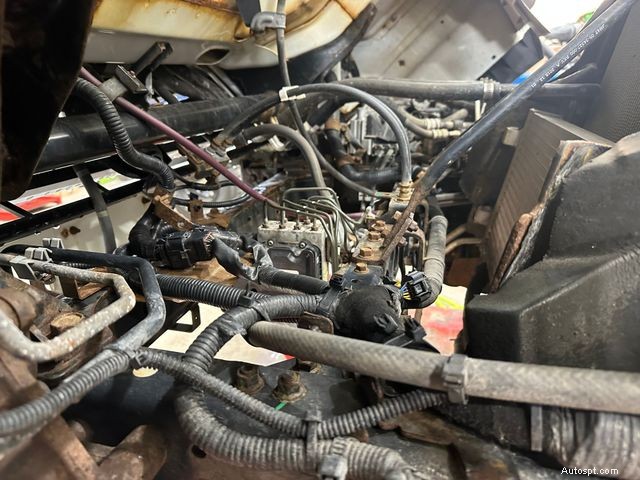
One of the first steps is a thorough visual inspection under the hood and underneath the vehicle.
We’re checking things like:
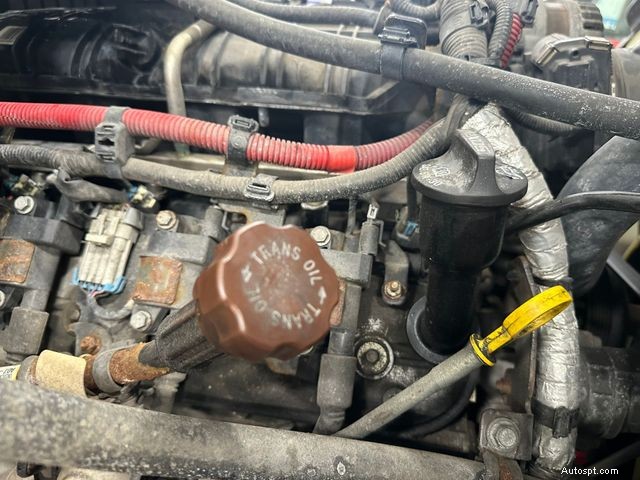
For example, transmission fluid isn’t just about level- it’s about condition. Clean fluid is typically bright and clear. Burnt or dark fluid can point to internal wear or overheating.
We also look closely at wiring. Modern vehicles rely heavily on sensors and electrical systems. A small issue like corrosion in a connector, can cause major drivability problems or false warning lights.
This is where experience really comes in. You start to recognize patterns:
Hands-On Checks Still Matter (Even with Modern Tech)
A lot of customers assume everything is done with a scan tool. Those tools are important—but they don’t tell the whole story.
We still:
Sometimes the problem isn’t what the computer says, it’s what we can see and feel.
When We Do Use a Scan Tool, It’s Just One Piece of the Puzzle
If there’s a warning light or suspected electronic issue, we’ll connect diagnostic equipment to read trouble codes.
But here’s a common misunderstanding:
A code doesn’t tell us what part to replace, it tells us where to start looking.
For example, a code might point to a sensor. But the real issue could be:
That’s why proper diagnosis takes time. We’re confirming the root cause, not guessing.
We’re Always Thinking About Downtime
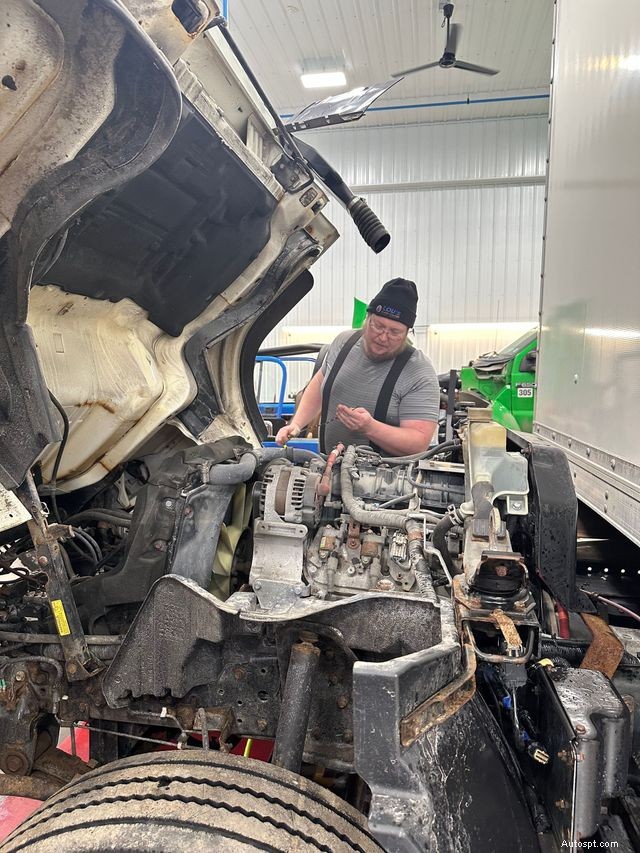
With fleet vehicles, there’s another layer to all of this: uptime. A breakdown doesn’t just mean a repair. It means lost productivity, missed deliveries, or disrupted schedules.
So, during an inspection, we’re also asking:
This is where inspections really pay off. Catching a worn component early is almost always less expensive, and less disruptive, than dealing with a failure on the road.
Common Things We Catch During Inspections
Some of the most frequent findings include:
These aren’t always obvious to the driver. In fact, many vehicles come in “running fine” but have issues developing just below the surface.
Why Proper Diagnosis Matters
It’s tempting to go straight to replacing parts especially if a warning light is on. But without a proper inspection, that approach often leads to:
A thorough inspection helps avoid that. It gives you a clear picture of what’s happening now and what may need attention soon.
What This Means for You
If your vehicle has a warning light, a new noise, or just isn’t behaving the way it used to, it’s worth having it looked at sooner rather than later.
Most issues don’t fix themselves and the earlier we catch them, the more options you usually have. If any of these sound familiar, scheduling an inspection can help you get clear answers and avoid bigger problems down the road.
SCHEDULE AN APPOINTMENT
Let's Connect! Click on the links below to stay in touch with the Lou's Car Care Community:
