
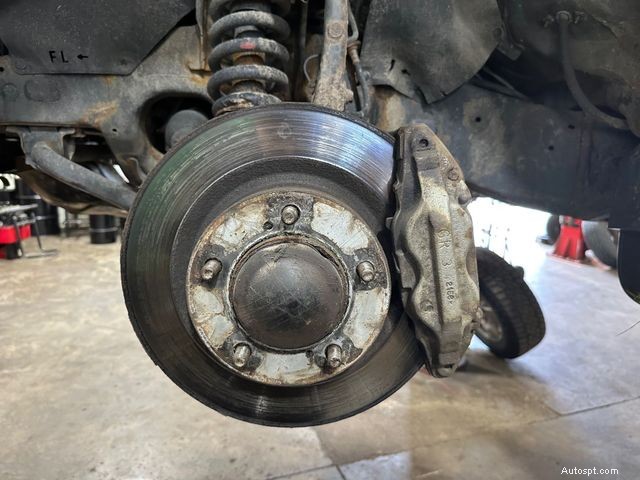
Brakes are one of the most important safety systems in your car and understanding how they work can help you take better care of your vehicle. Disc brakes and drum brakes work differently to stop your vehicle. Disc brakes use brake pads that clamp onto a rotor to slow the wheel, offering stronger and more consistent braking power. Drum brakes use brake shoes that press against the inside of a drum, providing more affordable but less efficient braking, typically found on rear wheels.
We often get questions like:
Here’s a simple breakdown to help you understand the difference between the two and which type of brake system might be on your car.
WHAT ARE DISC BRAKES?
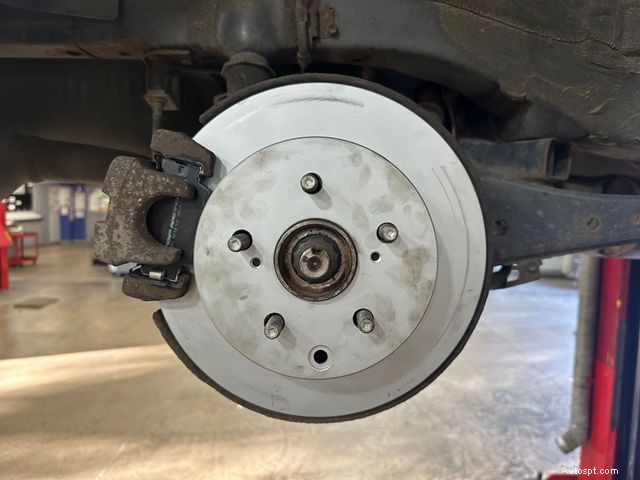
Disc brakes are the most common type of braking system found on modern cars, trucks, and SUVs- especially on the front wheels.
They work using:
When you step on the brake pedal, the caliper squeezes the brake pads against the spinning rotor. The friction slows the wheel down, bringing your vehicle to a smooth stop.
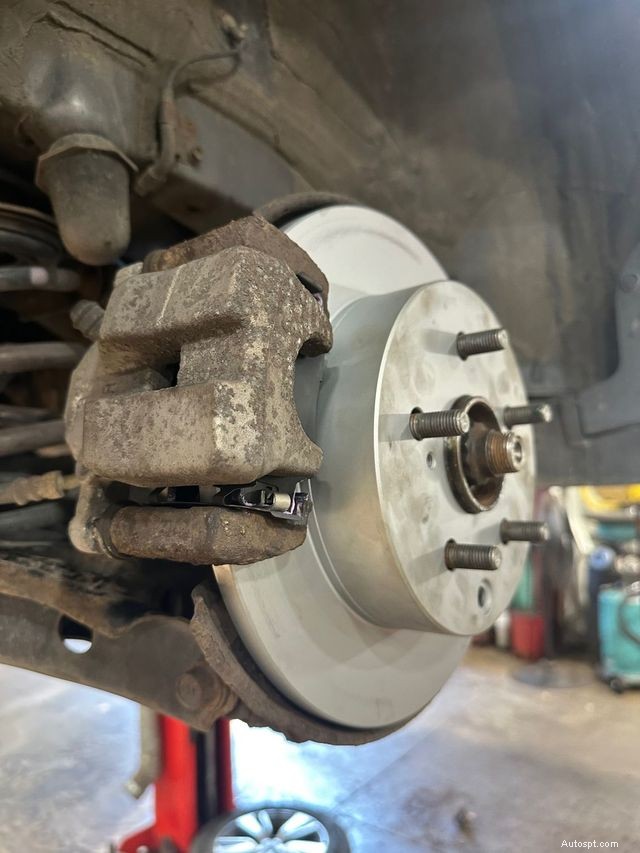
Benefits of Disc Brakes:
Because of their performance and reliability, many vehicles now have disc brakes on all four wheels.
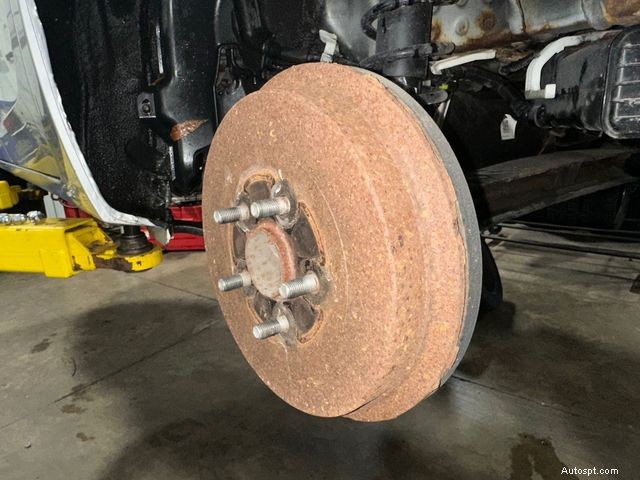
WHAT ARE DRUM BRAKES?
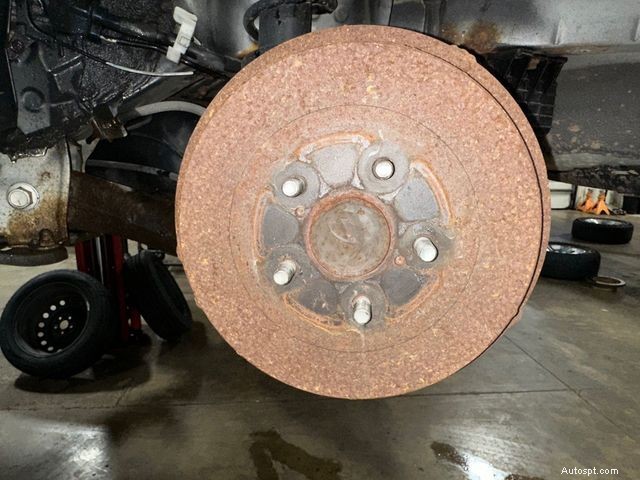
Drum brakes are typically found on the rear wheels of many cars and light trucks. They’re an older design but still effective for vehicles that don’t require as much rear-wheel braking force.
Drum brakes include:
When you hit the brakes, the shoes press against the inside of the drum, creating friction to slow down your vehicle.
Benefits of Drum Brakes:
SIGNS YOU MAY NEED BRAKE SERVICE
If you notice any of these symptoms, it’s time to have your brakes checked:
Your brakes are critical to your safety- don’t wait until they fail. Regular brake inspections can prevent costly repairs and keep you safe on the road.
SCHEDULE AN APPOINTMENT
Let's Connect! Click on the links below to stay in touch with the Lou's Car Care Community:
