
A fresh set of wheels can completely change how your vehicle looks and feels on the road. Once you swap them out, though, you’ll need a plan for the tires you removed. The following six easy ways to recycle or repurpose old tires offer practical, owner-friendly options that keep them out of landfills while helping you stay organized, safe, and environmentally responsible.
Old tires take up space, collect water, and attract pests when left outdoors. They also pose a fire risk when they pile up. Instead of letting them linger in the garage or behind the shed, choose one of these straightforward solutions. Many of them take very little time, and several can even put money back in your pocket.
Most tire retailers and service shops already work with recycling partners. This option works well if you want a clean, low-effort solution. Many shops accept used tires when you buy new ones, and some will also take old tires even if you purchase your replacements elsewhere.
When you drop off your tires at a shop, they usually head to a processing facility. The facility shreds them and separates the materials for reuse. Recyclers can turn old tires into rubber mulch, asphalt additives, and other products that hold up well outdoors.
Before you load your tires into the vehicle, wipe off any heavy mud. This simple step helps the shop process your inventory more quickly and avoids unnecessary delays.
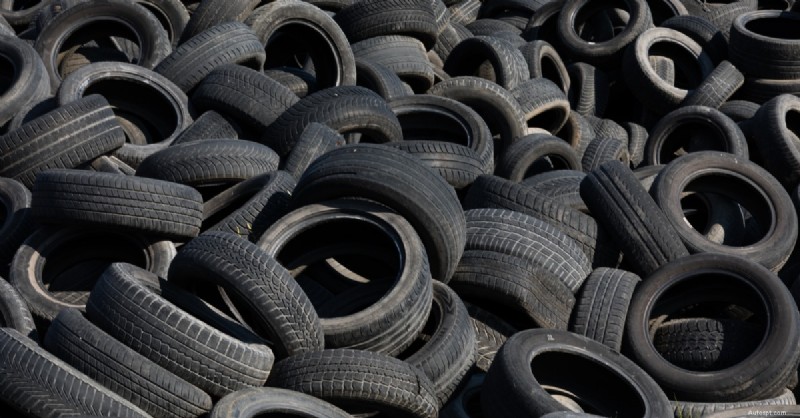
Many cities and counties run tire collection programs, especially during spring and summer cleanup seasons. These events make it easy to dispose of old tires responsibly without having to guess where to take them.
Municipal programs often charge a small fee per tire, which is typically less than the cost of a private disposal service. You also get the peace of mind that your tires will go to a facility equipped to handle them.
This approach works especially well for households that store extra tires from seasonal driving. It also helps if you live in an area where shops limit the number of tires they accept at once.
If you choose this option, keep the tires dry before transport. Dry tires reduce odor and mess, and they make handling easier for staff.
Some tires still have plenty of usable life when owners replace them. Drivers often switch tires early due to changes in wheel size, visual preferences, or uneven wear on a single tire. If your tires still have safe tread depth and no major damage, you can often sell them locally.
List them on common resale platforms, community groups, or automotive forums. You’ll usually get the best response when you provide clear details and clean photos. Buyers appreciate clear details and hate unexpected surprises.
Include these details in your listing:
For safety and honesty, avoid selling tires with sidewall cracks, bulges, exposed cords, or severe dry rot. Those issues can create serious risks for the next driver.
Donation works well when your tires still have life, but you don’t want to deal with selling. Some nonprofits and community organizations accept tires in decent condition, especially if they support low-income drivers, job placement programs, or vehicle repair assistance.
You can also check with vocational schools and automotive training programs. Many programs appreciate tire donations for hands-on learning. Students can practice mounting, balancing, and inspection skills without using brand-new inventory.
Call ahead before you drop anything off. Organizations often have limits on tire age, tread depth, and condition. A quick call can save you time and ensure your tires truly make a difference for someone in need.
You can get more value out of old tires when you repurpose them for functional, vehicle-related tasks. This approach stays practical and keeps the tires where they make sense: around the car, truck, garage, or driveway.
Drivers and DIYers commonly use old tires to improve organization and protect equipment, but they can also serve simple outdoor purposes, like sturdy planters, without feeling out of place. These ideas won’t turn your driveway into a craft project, and they won’t look out of place in a real garage.
Old tires can work well as bumpers, buffers, and protective barriers. For example, a tire can prevent your vehicle from contacting a wall when you park a trailer. It can also provide cushioning for your equipment in storage.
You can also use a tire as a stabilizing base for certain vehicle-related items. A tire can keep a heavy object from tipping, sliding, or scraping the floor. When you keep it clean and dry, it becomes a durable, reusable garage tool.
If you choose this route, keep the tires out of direct sunlight. UV exposure accelerates cracking and makes the rubber brittle.
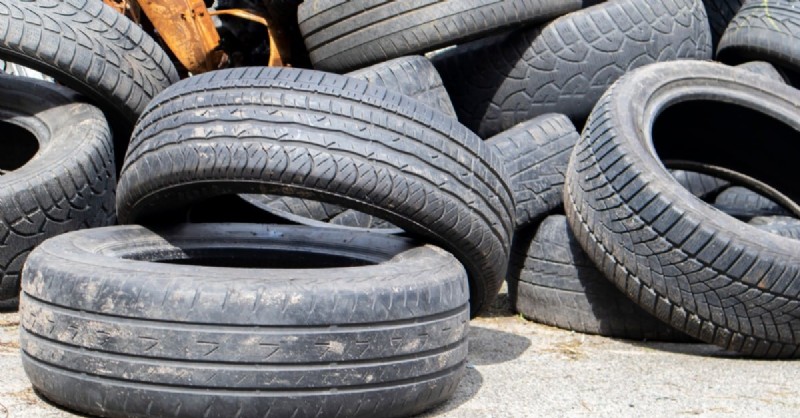
Some scrap and materials recovery centers accept tires as part of their recycling intake. This option often works well when you have multiple tires to drop off at once and want a single drop-off location.
Scrap facilities may charge a disposal fee, but they often provide quick service. Many centers also accept related materials, which can help if you’re cleaning the garage at the same time.
Call ahead to confirm what the facility accepts. Policies can vary based on local regulations and processing contracts. Some facilities accept passenger tires but not large off-road tires. Others accept tires without rims only.
If your tires still sit on old wheels, ask whether the facility wants them separated. Some locations prefer tires removed from rims to streamline processing.
Recycling does more than remove clutter from your property. It also turns old rubber into useful materials. Shredded tire rubber can become a durable ingredient in products that handle weather and wear better than many alternatives.
Many recyclers process tires into crumb rubber. Crumb rubber supports a wide range of uses, including:
That reuse reduces waste and lowers demand for new raw materials. It also keeps tires out of illegal dumping sites, which can create long-term environmental issues.
Sometimes, you can’t recycle tires right away; weather, busy schedules, or local program dates can slow things down. Storing your tires properly in the meantime will save you hassle later.
Store tires in a cool, dry place, out of direct sunlight. If possible, keep them off soil or grass; concrete is cleaner and keeps them drier. If you need to store them outside for a while, cover them tightly to keep rainwater out.
Rainwater collecting inside a tire can attract mosquitoes and create unpleasant odors. A snug cover and a quick check after storms will help prevent both problems.
As a vehicle owner, you already juggle plenty of maintenance tasks, and dealing with old tires doesn't need to go on the list. Taking care of them promptly keeps your garage organized, protects your property, and helps the environment.
Getting rid of tires responsibly also benefits your community. Abandoned tires can linger for years, and cleanup costs often land on local governments and taxpayers. By recycling or reusing them, you help keep neighborhoods cleaner and safer for everyone.
So, if you’ve recently swapped out your wheels and/or tires, make a plan for the old set, too. It’s a simple move that shows you care about your vehicle and your community.
Old tires don’t need to become an eyesore or a problem sitting behind the garage. With the right plan, you can recycle them through a shop, use a local collection program, sell or donate usable sets, or repurpose them for practical garage needs. These six easy ways to recycle or repurpose old tires give you a clear path to handle leftover rubber responsibly, whether you’re dealing with a single set or several sets of car and truck tires.
