
Every driver understands the importance of a vehicle’s braking system. It’s the most critical safety feature, responsible for slowing down and stopping your car. But have you ever considered the mechanics behind it? The two most common types of braking systems on modern vehicles are drum brakes and disc brakes. While both serve the same fundamental purpose, they operate on different principles and offer distinct advantages and disadvantages.
It's important for any car owner to understand these distinctions, especially when it comes to maintenance, performance, and safety. This breakdown explores the key differences between drum and disc brakes, covering their design, performance characteristics, maintenance needs, and overall cost. By the end, you’ll have a clearer picture of how each system works and why manufacturers choose one over the other for specific applications.
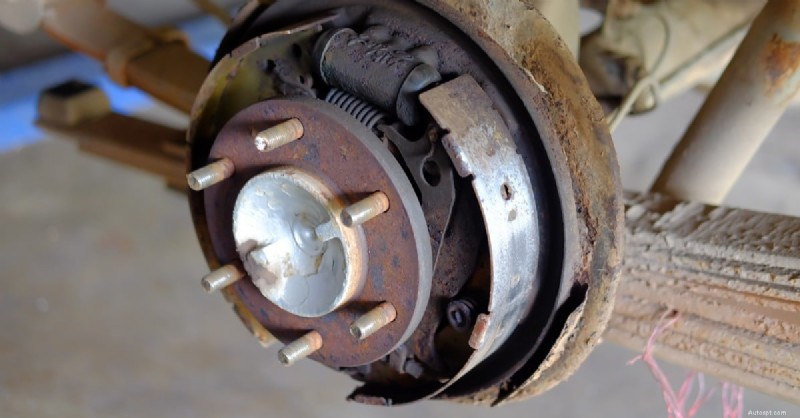
Drum brakes are an older, yet still widely used, braking system. They consist of a cast-iron drum that rotates with the wheel. Inside the drum, you’ll find a set of brake shoes. When you press the brake pedal, hydraulic fluid pushes pistons within a wheel cylinder.
These pistons, in turn, press the brake shoes outward against the inner surface of the rotating drum. The resulting friction slows the wheel down. A set of return springs pulls the shoes back away from the drum once you release the brake pedal.
Disc brakes represent a more modern approach to vehicle braking. This system uses a flat, disc-like rotor that spins with the wheel. A caliper houses one or more pistons and brake pads and mounts over the rotor.
When applying the brakes, hydraulic pressure forces the pistons in the caliper to squeeze the brake pads against each side of the rotor. This clamping action creates friction, which slows down the rotor and, consequently, the wheel.
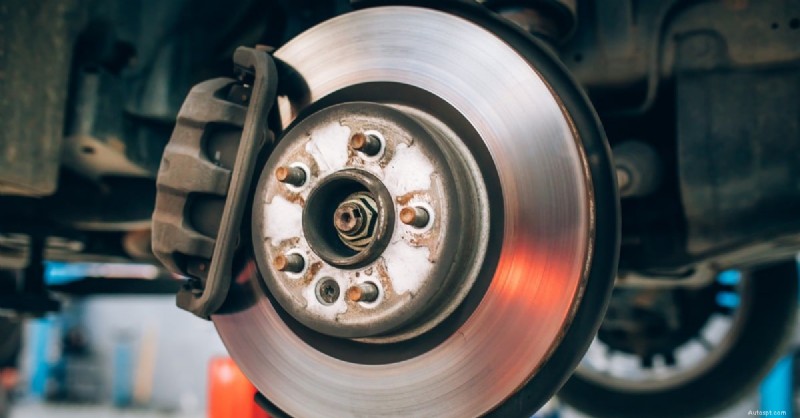
The most apparent difference lies in their physical construction. A drum brake is an enclosed system where all the primary components—the shoes, wheel cylinder, and springs—sit inside the drum. This design protects the braking mechanism from external elements like dirt, water, and road debris.
Conversely, a disc brake system is largely open to the elements. The rotor and caliper are visible behind the wheel. This open design might seem like a disadvantage, but it plays a significant role in one of the disc brake’s biggest strengths: heat dissipation.
Disc brakes are far superior at managing heat. When brakes create friction to stop a car, they also generate a tremendous amount of heat. If this heat isn’t managed effectively, a phenomenon known as brake fade can occur, where the brakes lose their stopping power.
Because the disc rotor is exposed to the air, it cools down much faster. Many modern disc brakes also feature vented rotors, which have internal channels that allow air to flow through them for even better cooling.
Weather conditions can affect both systems, but disc brakes generally handle adverse weather better. When driving in rain or through puddles, water can get inside a drum brake assembly. This can reduce friction between the shoes and the drum, temporarily diminishing braking performance until the water has been displaced.
Disc brakes also get wet, but the centrifugal force of the spinning rotor flings water off the surface. The clamping action of the pads also effectively wipes water away, allowing for more consistent performance in wet conditions.
For general, everyday driving, both systems provide adequate stopping power. However, disc brakes consistently offer superior performance, especially under demanding conditions.
Furthermore, they provide more clamping force and dissipate heat more efficiently, which means they are less susceptible to brake fade during aggressive driving or when descending long, steep hills. This is why you will always find disc brakes on the front wheels of modern cars, as the front brakes handle the majority of the braking load due to weight transfer during deceleration.
Disc brakes are generally easier to inspect and maintain. A quick visual inspection through the wheel spokes can often reveal the condition of the rotor and the thickness of the brake pads. Replacing disc brake pads is also a more straightforward process for mechanics and experienced DIYers.
Drum brakes are more complex. Because all the components are enclosed, you must remove the wheel and the drum itself to inspect the brake shoes and hardware. Replacing brake shoes involves dealing with multiple springs and clips, which is a more intricate and time-consuming job.
You might notice that many vehicles have disc brakes on the front and drum brakes on the rear. This hybrid setup is a cost-effective compromise that provides excellent performance where it’s needed most.
For pure performance, disc brakes are the winner. Their superior heat dissipation, consistent performance in a variety of conditions, and greater stopping power make them standard for sports cars, heavy-duty trucks, and any vehicle where high-performance braking is a priority.
Drivers who upgrade their vehicles often look for performance-oriented aftermarket brake pads and rotor kits to further enhance their car’s stopping capabilities. Drum brakes simply cannot compete in high-demand situations due to their tendency to overheat and fade.
Choosing between drum and disc brakes ultimately comes down to balancing their differences: cost, performance, and application. While disc brakes offer superior stopping power and heat management, the affordability and adequate performance of drum brakes ensure they still have a place on many modern vehicles, particularly on the rear axle of budget-friendly cars.
As technology evolves, we’ll continue to see advancements in both systems, all aimed at making our journeys safer. Check out WheelerShip’s wide selection of brake parts and components to see if we can equip your vehicle with everything you need for safe, reliable stopping power.
