
You can save time and money with DIY car cleaning hacks using products found in most households. These everyday items can help produce excellent results when you want to rejuvenate your car’s look and smell. Check out the best car-cleaning kits for auto detailing products that offer additional cleaning power.
If you’re new to car detailing, don’t have your preferred car-care product, or just want to try something new, add these household items to your cleaning toolkit. With a list of 20 household products and more than 40 DIY car-cleaning hacks, there is no shortage of ways to clean a car’s interior and exterior finish. Always remember that a deep cleaning can improve the value of a used car by hundreds or even thousands of dollars.
Cleaning Disclaimer: Always perform a spot test in an inconspicuous location when trying a new product. The surfaces of some vehicles may respond differently to a cleaning product than others, and it’s best to take precautions to avoid a costly mistake. Remember that luxury and older vehicles often have more delicate surfaces, so use extra caution when cleaning those cars.
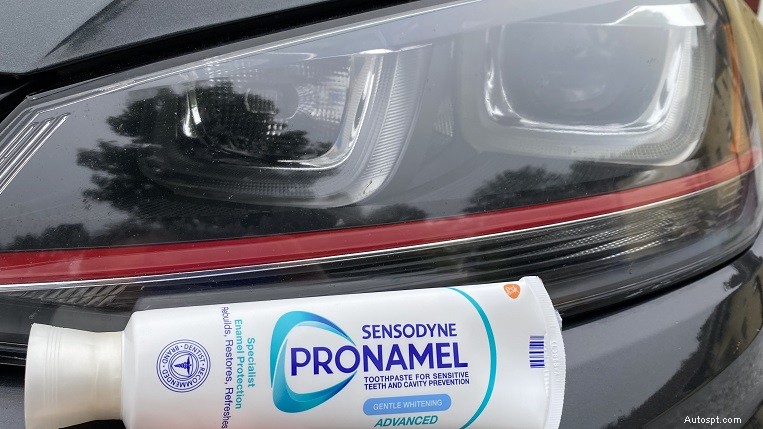
Toothpaste comes in various formulations, and those designed to whiten teeth or fight tartar buildup are also effective in some aspects of automobile cleaning. The abrasiveness of toothpaste is measured using relative dentin abrasivity. Higher RDA toothpaste will offer better and faster results for:
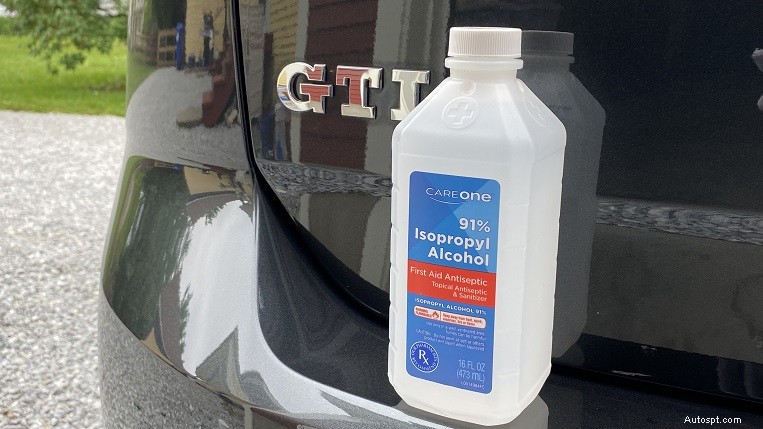
Is Isopropyl Alcohol Safe for Car Paint? Diluting isopropyl alcohol with distilled or reverse osmosis water to around 20% is commonly used to remove compounding and polishing oils when performing paint correction. Isopropyl alcohol at full strength isn’t recommended for car paint and should only be used sparingly for adhesive removal.
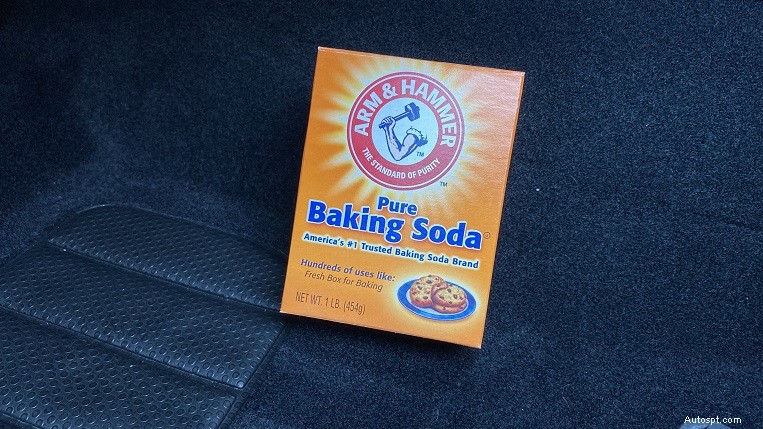
Baking soda, a household staple for generations, is an effective deodorizer and stain remover. Some toothpaste contains baking soda because of the stain-removing powers that sodium bicarbonate provides. Combining baking soda with vinegar is a great way to supercharge your cleaning solution, but it must be used immediately due to its volatility.
Stain removal: Combining baking soda with vinegar creates a powerful cleaning solution that removes various stains. Fill a spray bottle with vinegar and presoak the stain before applying baking soda. Then spray more vinegar on the stain and agitate with a nylon brush. Use the DIY hot-water extractor hack to minimize the lingering odor of vinegar and achieve an even deeper clean. Odor removal: Sprinkling baking soda directly on the carpet or cloth upholstery can help eliminate foul odors. Allow the baking soda to sit for a minimum of 15 minutes. Its cleaning power increases the longer it’s left on the surface. After waiting for the desired period, remove the baking soda with a vacuum to reveal a fresher-smelling interior. You can also place the baking soda in a bowl to help eliminate less pungent odors or as part of a preventative car-cleaning routine. Make your own DIY car air freshener by using a 4-ounce canning jar with a wide base and filling it two-thirds full of baking soda. Add drops of your favorite essential oil, based on desired intensity, and shake the jar to distribute the oil for a pleasant aroma.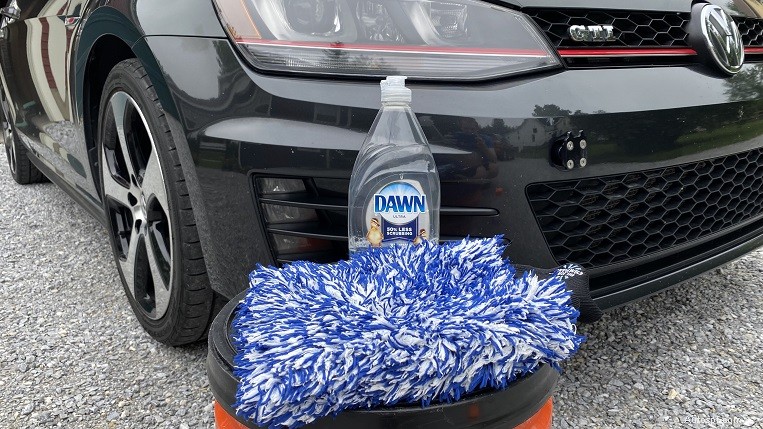
Liquid dish soap is a powerful degreaser that’s also environmentally friendly. It’s so effective at safely cleaning various surfaces that it’s used to clean animals affected by oil spills. Don’t confuse dish soap with dishwasher detergent because they have different compositions and are designed to work under different conditions. Always apply a new layer of wax or sealant to the paint, as dish soap will remove the paint’s protection along with any contamination.
DIY car wash: Sometimes, cars must be washed with more aggressive chemicals to remove contamination or strip off previously applied protection such as waxes and sealants. Dish soap is designed to cut through grease, which means it will remove most paint or glass protection products previously applied. Mixing an ounce of dish soap per gallon of water creates a powerful DIY car wash that can remove most contamination from the paint or glass. Bug removal: Mixing an ounce of dish soap per gallon of water will provide enough strength to remove a moderate accumulation of bugs. If bugs have been baking in the hot sun, consider increasing the quantity of dish soap used per gallon to 1.5 to 2 ounces. Soak cheesecloth in the dish soap mixture to help improve the cleaning power without damaging the paint. Stain removal: There’s a good chance your car’s interior was stained by food or drink. As dish soap was designed to remove food from dishes, it can do the same for your car. Add 1.5 teaspoons (0.25 ounce) per quart of water to create a gentle but effective stain remover. Use a spray bottle to apply the solution to the stain and agitate with a nylon bristle brush. Use a microfiber towel to blot the area, or try the DIY hot-water extractor hack to help with drying if one is available.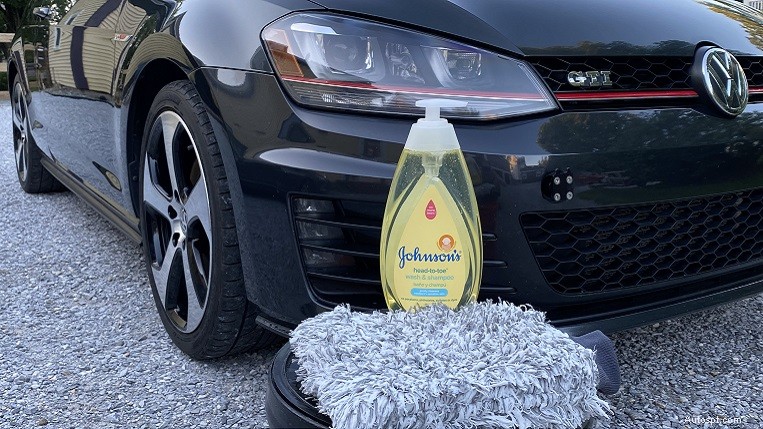
Because it’s milder than dish soap, baby soap (and pet shampoo) won’t remove the products that protect the paint from damage. Baby shampoo has good lubricity and mild cleaning power, making it a good choice for washing a well-maintained car.
Car wash: Baby soap is gentler than liquid dish soap and won’t strip paint protection if wax or sealant is applied. Mixing an ounce of baby soap or pet shampoo per gallon of water produces a slippery solution that’s sometimes used to install paint protection film..
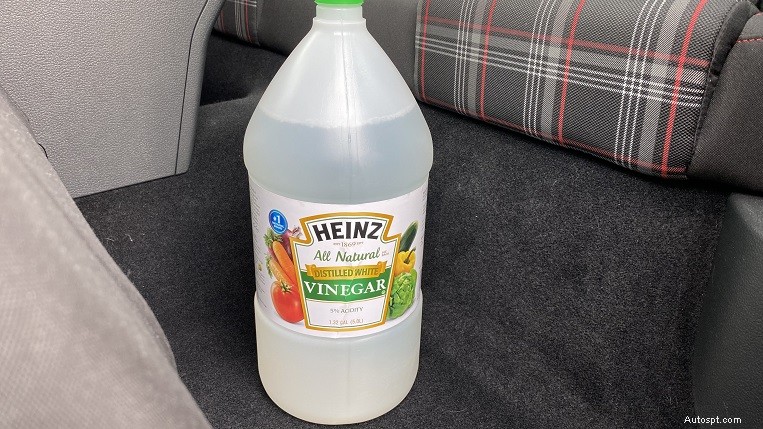
White vinegar is a highly versatile product used for various types of cleaning. Though vinegar can be used alone as an effective cleaner for most areas of a car, it can also be combined with baking soda for additional cleaning power when removing stubborn stains. Be sure to use the vinegar and baking soda solution immediately before the products can neutralize each other. Always vacuum the carpet and fabric upholstery to remove loose dirt and debris before applying a stain remover.
EXPERT TIP: Choose dual-weave, 300-400 GSM microfiber towels for automotive use. Lighter weaves can trap grit, potentially causing microswirls on surfaces. Wash dedicated drying towels separately from other microfiber towels used for car wax or paint sealant removal. Towels should be washed with warm water and dried on low heat. Never use fabric softener when washing or drying microfiber towels.
Is White Vinegar Safe for Car Paint?
White vinegar is a safe and effective way to remove water spots from car paint. After washing a car with white vinegar, it is essential to apply a layer of wax or sealant to help prevent water spots in the future.
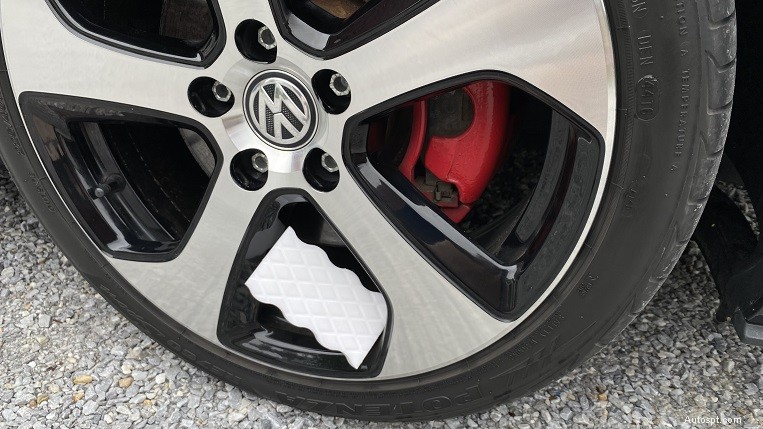
Melamine sponges, commonly known as “Magic Erasers,” are highly effective and only need water to clean the dirtiest surfaces. Except for glass cleaning, you should use melamine sponges sparingly on a vehicle’s interior and exterior surfaces. Melamine sponges are abrasive and shouldn’t be used to wash a car because they will dull the paint and require a paint correction to restore the shine.
EXPERT TIP:Do not use a melamine sponge on glass with aftermarket window tint. Aftermarket tint uses a film, whereas factory tint has color embedded in the glass during manufacturing. Also, avoid any ammonia-based sprays, which can degrade tinted windows and damage touchscreens.
Wheel cleaning: Strong chemicals are best for removing baked-on brake dust that has turned bronze in color. However, carefully using a melamine sponge to deep clean the stained wheels is an effective and affordable alternative. Start by cleaning the wheel faces with a damp melamine sponge before cleaning the typically much dirtier wheel barrels. Cleaning the less dirty and more delicate part of the wheel before moving on to the most contaminated part will help minimize the risk of scratching the finish.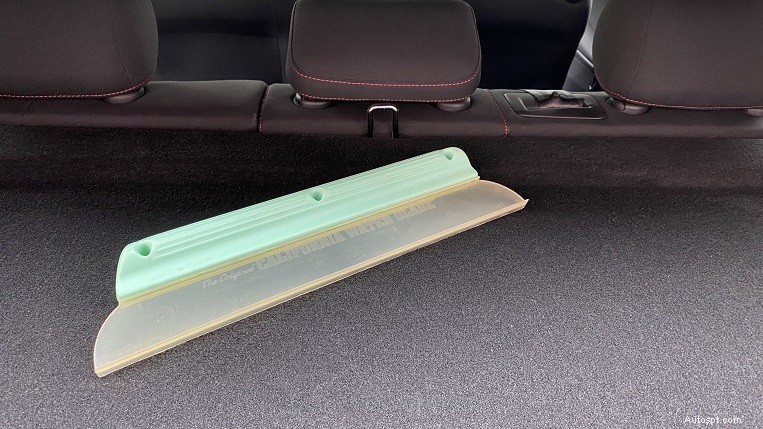
Shower squeegees are great for drying glass. They also have an unintended use: Squeegees can help remove pet hair from a car’s interior. Pulling the squeegee firmly in one direction at a time will yield the best cleaning results. After removing the loose pet hair, squeegee the carpet or upholstery fibers in the opposite direction to remove any remaining strands.
What Is the Best Way to Remove Pet Hair From a Car?
Several DIY car cleaning hacks are up to the challenge of removing pet hair from the interior. Shower squeegees, pumice stones, lint rollers, and rubber gloves are great tools for removing pet hair from the carpet and fabric upholstery. Swipe any pet hair removal tool in one direction repeatedly to remove pet hair. For the best results, change the direction of the swipes a few times and vacuum up the loose hair before swiping in a new direction. We advise removing all pet hair before selling your car.
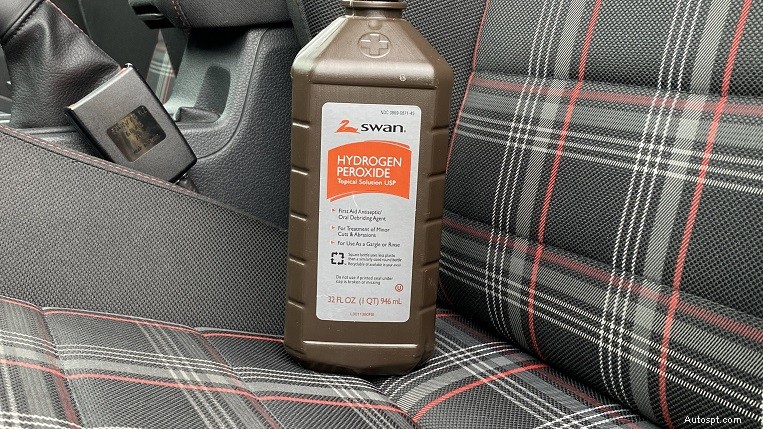
Generally, the hydrogen peroxide you buy at a pharmacy or grocery store has a 3% concentration and is ready to use. Tougher stains may require a higher concentration, but keep in mind that stronger blends of 10% or more can cause fabric bleaching. Always test the material in an inconspicuous spot to see if any such bleaching occurs.
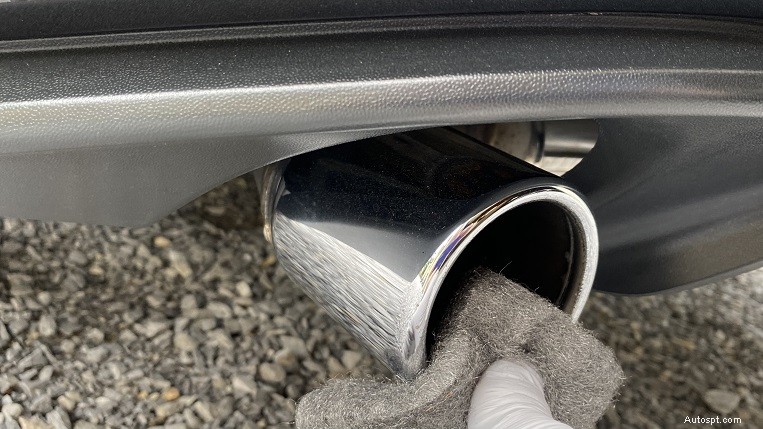
Steel wool is available in eight different grades:
4 – extra coarse 3 – coarse 2 – medium-coarse 1 – medium 0 – medium-fine 00 – fine 000 – extra fine 0000 – finestOnly use 0000 steel wool when cleaning glass, or it can result in scratches that will be incredibly hard to remove. When polishing metal, start with 0000 steel wool and increase the aggressiveness only as needed. Wear gloves when using steel wool to prevent cuts and embedded metal particles.
Glass cleaning: Generously apply glass cleaner to the windows and gently scrub them with 0000 steel wool. After cleaning the windows, dry them with a squeegee or a microfiber towel. Use isopropyl alcohol or white vinegar to make a DIY glass cleaner.
Metal polishing: Apply metal polish to the stainless steel exhaust tips and rub them with 0000 steel wool. Use a coarser grade of steel wool on metal with corrosion or heavy carbon buildup. One of the best DIY metal polishing hacks combines steel wool and white vinegar, which can remove rust from metal.
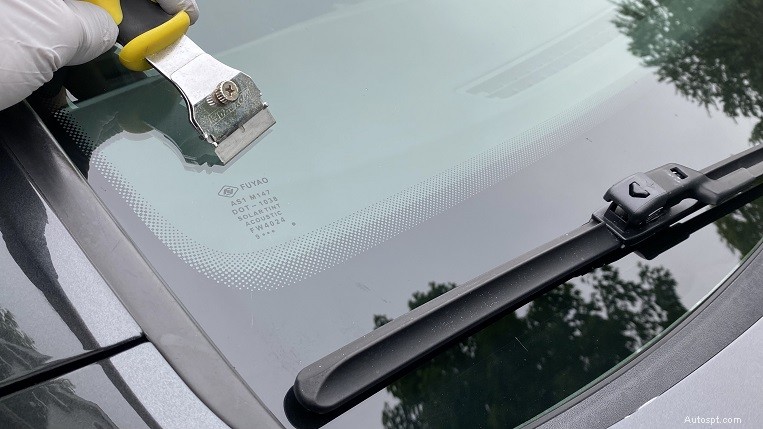
Razor blades are great at removing stubborn glass contamination, including tree sap, bug guts, and sticker adhesive. Plastic razor blades can remove adhesive from the paint without damaging it. Use razor blades at a 45-degree angle with plenty of cleaning solution and light pressure. Be sure to scrape in one direction at a time and avoid back-and-forth movements.
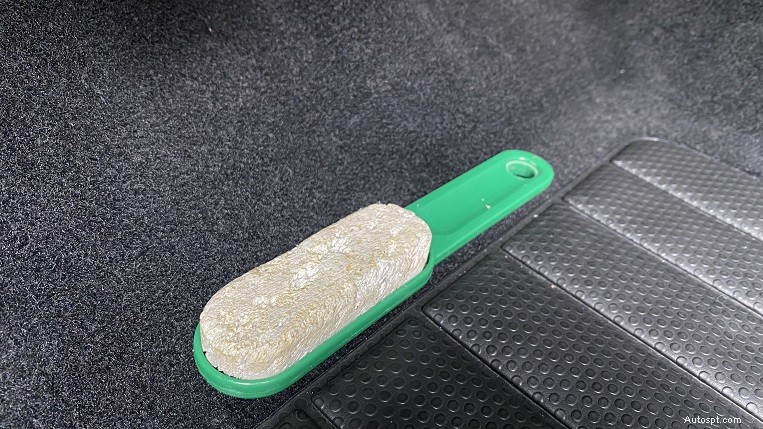
Pumice stones can help remove pet hair from carpet and fabric upholstery. Swipe the pumice stone in one direction. Then, after removing the loosened pet hair, use the pumice stone in the opposite direction to clear away any remaining hair.
Pet hair removal: Always remove as much of the loose pet hair as possible by vacuuming before using a pumice stone. Swipe the pumice stone in one direction to dislodge embedded pet hair and vacuum the freshly loosened hair before going in the opposite direction. Using a pumice stone in multiple directions will yield the best results when removing short pet hair that weaves its way into the fabric.
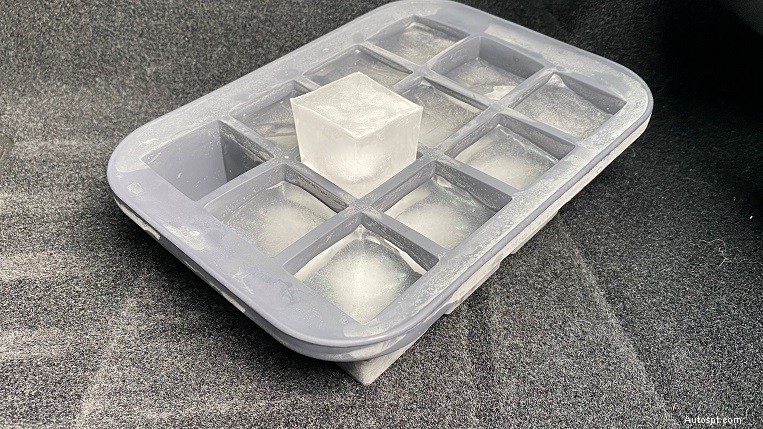
Ice cubes are an effective and low-cost way to remove gum from a car’s interior. Freezing the gum stiffens it so you can remove it in larger pieces or, if you’re lucky, in one piece. Before freezing the gum, placing the ice cubes inside a plastic bag will help prevent any potential moisture issues as they melt.
Gum removal: Removing gum from any surface of a car’s interior isn’t a good time, and removing it from fabric can be a nightmare. Removing warm gum can be futile, so it’s best to do so when the gum is cold, as it will come off in larger pieces. Any remaining small pieces of gum can be scrubbed with a toothbrush and vacuumed to complete the cleaning.
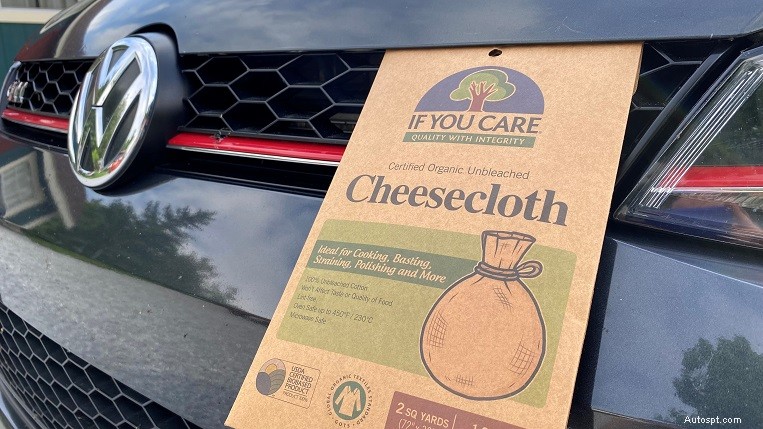
Cheesecloth has uses outside of the kitchen, too. The loosely-knit cloth can remove baked-on bugs from the car’s bumpers or mirrors, trapping them so they won’t make further contact with the paint. However, using too much pressure or excessive wiping can cause scratches. To avoid that, wipe only in straight-line movements and never use circular motion to prevent swirl marks.
Bug removal: Cheesecloths are great for more than just straining cheese curds; they’re also helpful for removing baked-on bugs from a car’s exterior. After pretreating the bugs with a dish-soap mixture, remove them carefully using cheesecloth. Soak the cheesecloth in diluted dish soap and gently clean using straight-line movements with light to moderate pressure. If the bugs don’t come off easily, reapply the dish soap and allow it to soak longer.
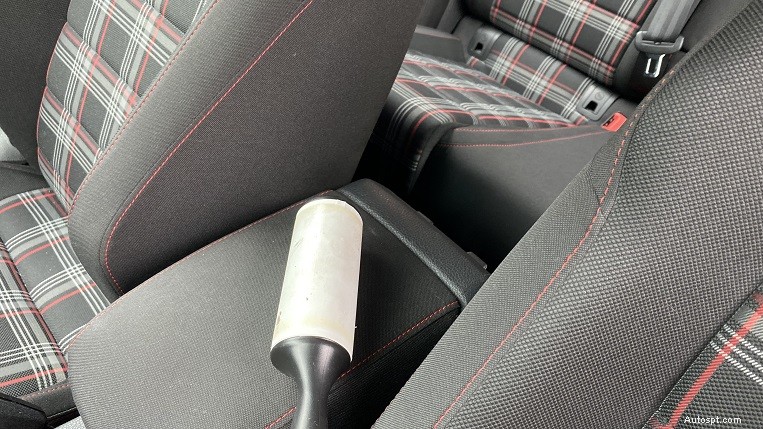
Lint rollers typically remove pet hair from clothing. You can also use them to eliminate stubborn hair from a car’s interior. In addition to removing pet hair, lint rollers also excel at cleaning the seemingly impossible-to-remove glitter.
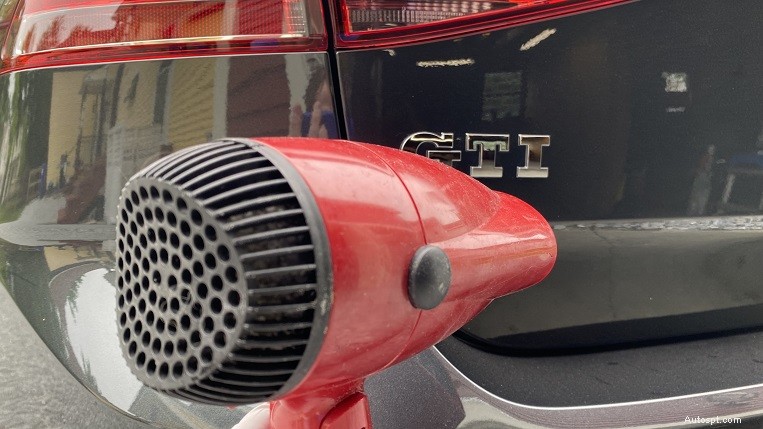
Hair dryers are a safe and readily available alternative to heat guns. While a hair dryer won’t have the same power as a heat gun, it can still generate plenty of heat to remove stickers from a car’s glass or paint. The hair dryer may take a minute to heat the adhesive, compared to a few seconds with a heat gun.
Adhesive removal: Heating a sticker or badge before removing it from a car will help make the job much easier. The heat softens the adhesive, making it easier to remove the sticker in larger pieces and sometimes in one piece, with a bit of luck. You can then use isopropyl alcohol to remove leftover glue on the paint or glass.
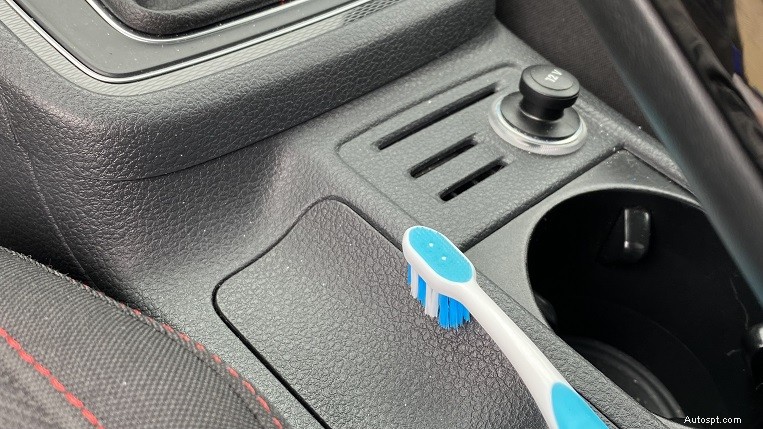
Toothbrushes are excellent at cleaning hard-to-reach areas or adding a little extra cleaning power compared to a microfiber towel. Toothbrushes are available in various bristle stiffness (soft, medium, hard) to determine how much cleaning power the toothbrush has.
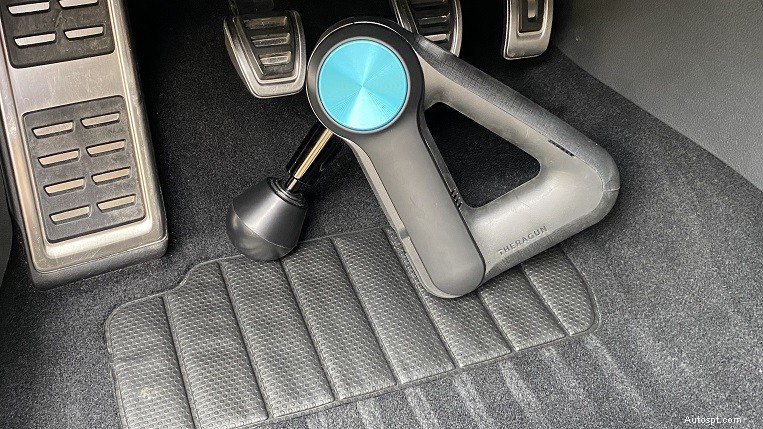
Massage guns, also known as percussive massagers, feature high-speed motors capable of more than 3,000 revolutions per minute. The massage gun’s high RPM helps bring sand to the carpet’s surface for easy vacuuming. Operating the massage gun and vacuum simultaneously will yield the best results.
Sand removal: Always use a vacuum to remove as much sand as possible before using a massage gun. Removing a large portion of the sand before agitating the carpet or fabric upholstery helps prevent sand from scattering to other interior areas.
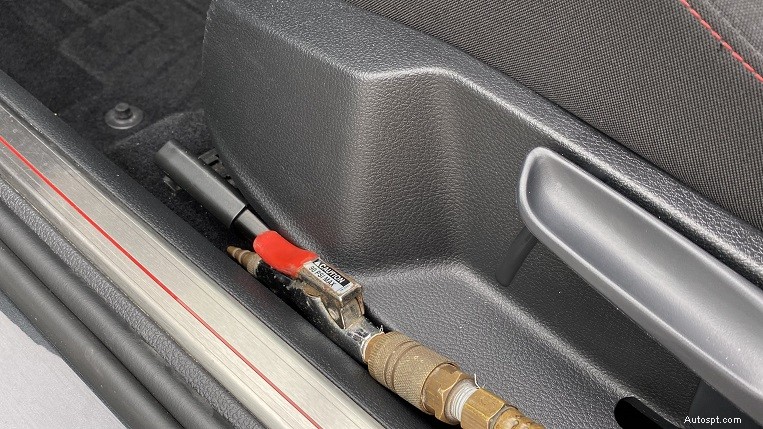
Compressed air is helpful when cleaning tight spaces between the seats and the center console or eliminating water spots/streaks after a car wash. Whether you’re cleaning a car’s interior or exterior, there will be a few places that always seem to be out of reach of other tools.
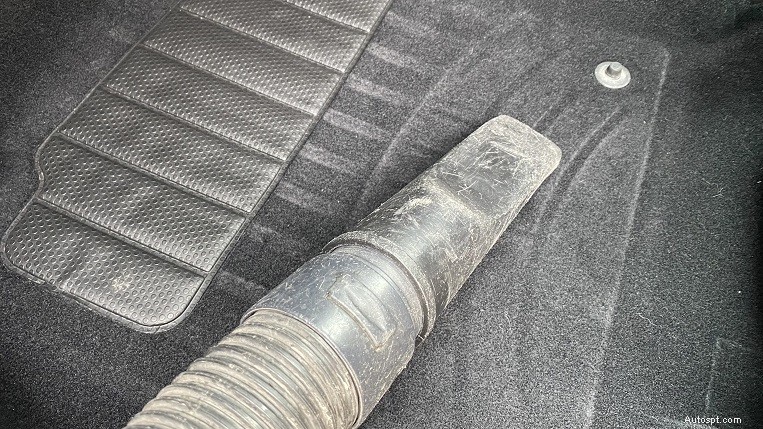
Many people have a wet and dry vacuum in their garage. Use this highly versatile piece of equipment as a DIY hot-water extractor. While the household tool doesn’t match the cleaning power of a commercial-grade hot water extractor, it’s strong enough to tackle mild to moderately dirty car interiors.
Hot-water extractor: While a wet and dry vacuum can’t heat and pump water into the fabric, it can suck up hot water instead. Fill a bucket with hot water and dip a nylon bristle brush into the bucket. Scrub the carpet or upholstery with a wet brush to clean the material or flush it with previously applied cleaners such as white vinegar or dish soap.
Another effective cleaning method is to fill a spray bottle with hot water and wet the carpet and upholstery. Spray the hot water onto the fabric and agitate the fibers with a nylon bristle brush before using the wet/dry vacuum.
You can achieve professional-level car cleaning results at home with a wide range of household products and creative tools. From tackling stains, odors, and grime with items like toothpaste, baking soda, and vinegar, to removing pet hair and tough adhesives using squeegees, lint rollers, and more, these DIY hacks are both effective and budget-friendly.
Remember that other products and tools can be used for detailing or a do-it-yourself car wash, including this bonus tip: Repurpose the steam cleaner you bought to remove wallpaper and steam clean fabric and vents in your car. A handheld steam cleaner can help remove embedded dirt from mats, seats, and A/C vents. Always test new methods on hidden areas and use gentle techniques to keep surfaces looking their best and preserve your car’s value.
Editor’s Note: We have updated this article since its initial publication. Cynthia Ogu contributed to the report.
