
As Kelley Blue Book celebrates its 100th year, we’re looking at the evolution of presidential limousines — where automobiles and politics collide.
In the last 100 years, presidential vehicles have evolved from open touring vehicles to highly engineered, state-of-the-art symbols of American innovation and the growing need for security. Each model discussed in this article not only incorporates the technology of its era but also reflects the evolving demands of safety and style. From early custom builds to the fortified machines navigating the streets of Washington, D.C., these limos tell a story far bigger than the transportation used by presidents. The examples below reflect a century of American automotive progress and the ongoing evolution of presidential limousine design.
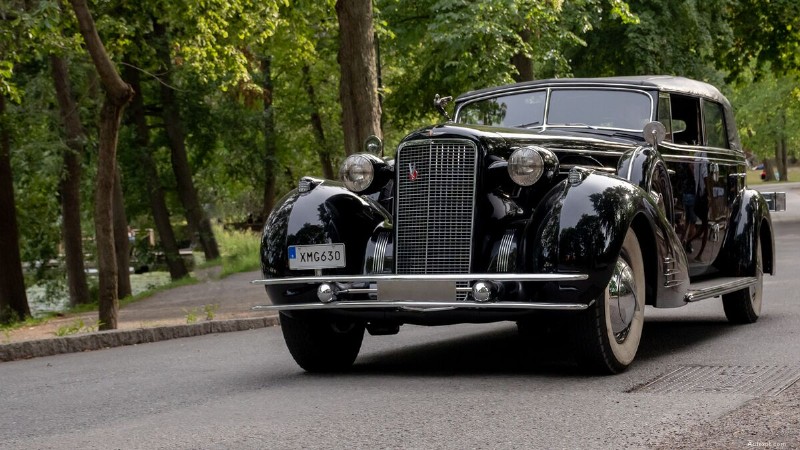
Featured Vehicle: 1939 Cadillac V‑16
One of the most powerful luxury cars of its era, symbolizing prestige in early presidential fleets.
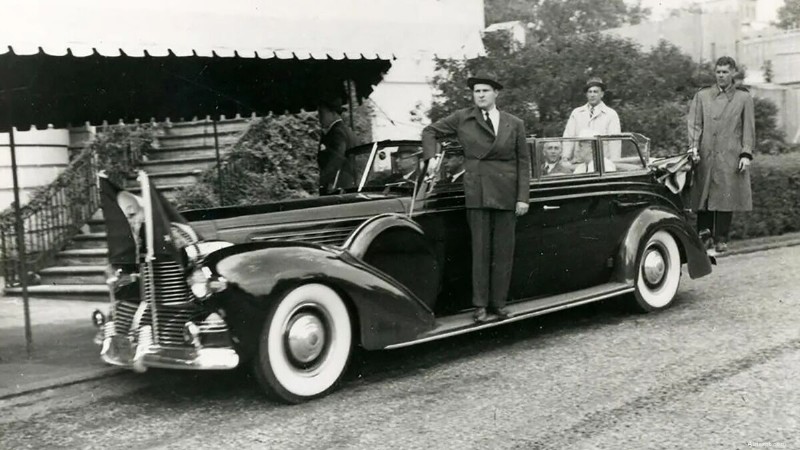
Featured Vehicle: 1937 Lincoln Model K
Luxury V12-powered flagship used in early presidential motorcades.
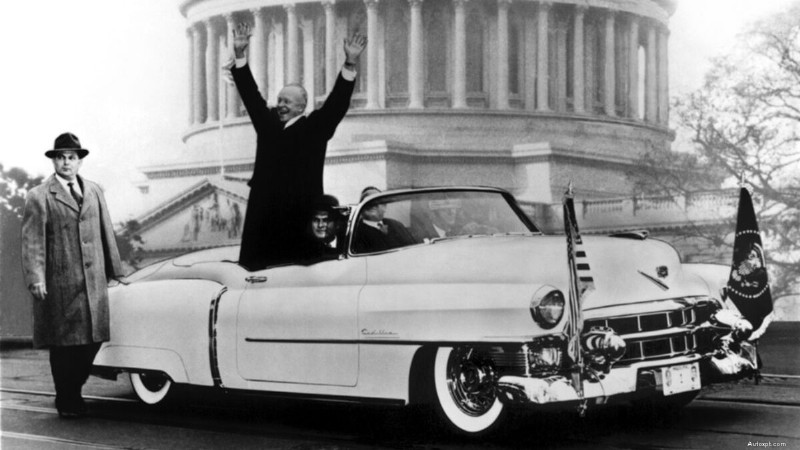
Featured Vehicle: 1953 Lincoln Cosmopolitan Convertible
Used in parades and public ceremonies during the post‑war boom era.
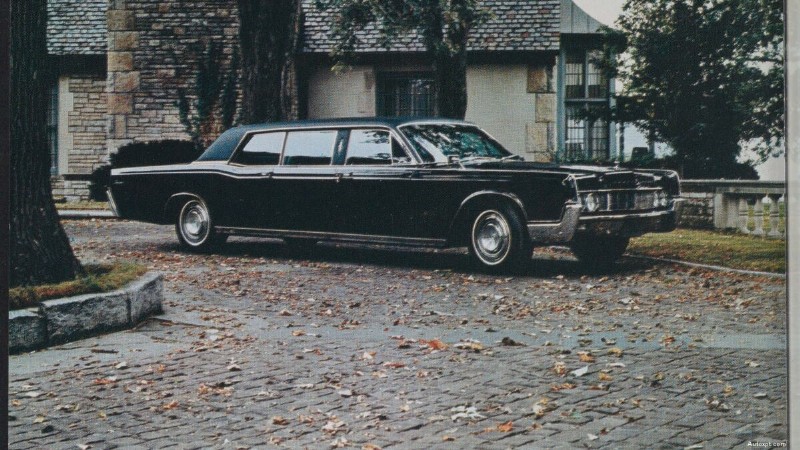
Featured Vehicle: 1964 Lincoln Continental Stretch Limo
Increasing armor, bullet-resistant glass, and Cold War security upgrades.
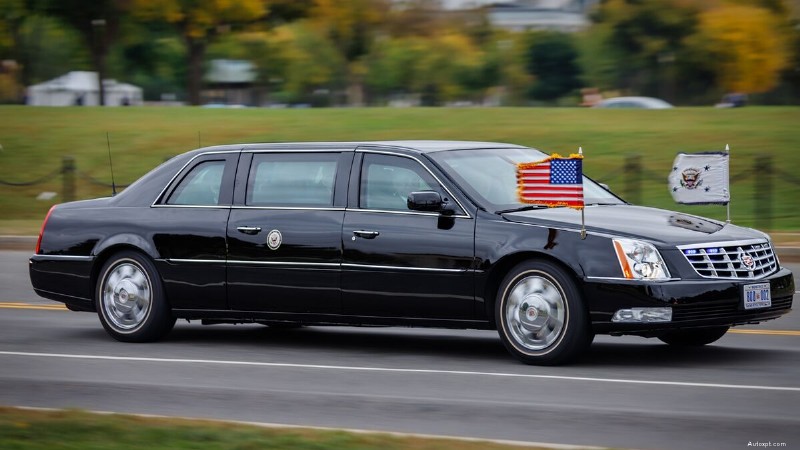
Featured Vehicle: 2009 Cadillac Presidential Limousine
Introduced modern military‑grade armor and advanced security systems.
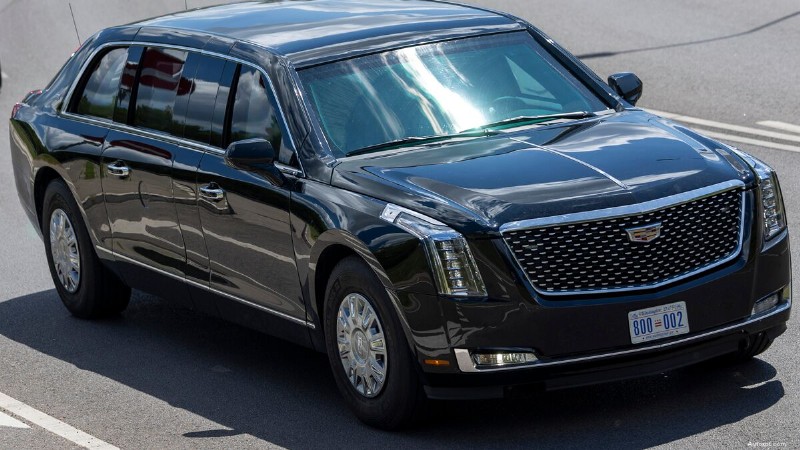
Featured Vehicle: 2018 Cadillac Presidential Limousine
Enhanced armor, sealed cabin, and upgraded communications technology.
The Cadillac V-16 wasn’t just a ho-hum way to get around. It showed power, style, and status, which explains why President Herbert Hoover loved it. His appreciation for the V-16 helped launch a century-long journey of presidential limousines, reflecting how America’s tastes, technology, and security needs have changed over time.
President Franklin Roosevelt loved riding in the Lincoln Model K, also known as “The Sunshine Special,” mainly because he could cruise around with the convertible top down, making it ideal for parades and public appearances. As the earliest custom-built presidential limousine, the Sunshine Special lacked the safety features that are standard on presidential limousines today, such as armor plating, bullet-resistant glass, and reinforced tires. Still, this was an important early design, although officials would soon realize just how heavily armored and fortified presidential vehicles needed to be.
The Lincoln Cosmopolitan was a luxury vehicle that marked a step forward in post-war comfort, style, and visibility. However, security wasn’t its main priority. While the Cosmopolitan looked impressive and luxurious, like the Model K, it lacked the heavy armor and advanced security features that define modern presidential vehicles.
The Lincoln Continental marked a sudden and consequential turning point in the history of presidential transportation. In 1963, President John F. Kennedy was assassinated while riding through downtown Dallas in an open-top Lincoln Continental, and Texas Gov. John J. Connally was seriously wounded in the attack. The tragedy exposed the vulnerabilities of that design with devastating clarity. In response, the limousine was rebuilt with permanent armor, bullet-resistant glass, and a range of additional security upgrades. From that point forward, presidential limousines were engineered first for protection and second for ceremony.
Note: The actual Kennedy limousine remained in service through 1977, serving Presidents Johnson, Nixon, Ford, and Carter. The retired limo now resides in the permanent collection of the Henry Ford Museum in Dearborn, Michigan.
The presidential Cadillac DeVille represented a new era of defensive engineering. Built on a heavily modified platform, it featured thick ballistic glass, reinforced steel plating, run-flat tires, and a sealed cabin. Every detail reflected the hard lessons learned decades earlier; survivability was no longer optional.
Cadillac One, commonly known as “The Beast,” is the vehicle used today to transport the commander-in-chief. It is no longer simply a limousine — it is a rolling fortress, built to withstand a wide range of threats and featuring heavy armor, multi-layer ballistic glass, sealed compartments, and advanced defensive systems. In an era defined by heightened security concerns, protection is no longer an upgrade; it is the foundation.
The evolution of presidential vehicles is not only a story of automotive design, but also a reflection of America itself. Over the past century, these vehicles have mirrored both the growth of the automotive industry and the changing responsibilities of the presidency. As Kelley Blue Book celebrates its own centennial, it’s clear that the road ahead will be just as groundbreaking as the one behind us.
