
Ceramic coating has become one of the car enthusiasts' most popular protective solutions. Getting one is relatively easy, especially since DIY coatings are already available. But, just like any other transformative process, patience is key!
So, have you ever wondered how long ceramic coating takes to cure? Generally, curing time is around two weeks, but only occasionally. Depending on the product used and coating application, the curing time may vary from 24 hours to 3 weeks.
What you should wish to happen is for the ceramic coating to cure and set fully – to ensure its performance at its best! As you continue reading, we’ll discuss the factors that simultaneously influence the time of curing, achieving the best results.
Curing is a vital step in the ceramic coating process. Since it can be easily applied in a liquid or gel form, enough time is needed to harden and become a protective layer for your vehicle.
But what actually happens during the curing process? The coating undergoes a phase where a chemical reaction forms a strong molecular bond with the paint. This process helps enhance the resistance of the coat to various environmental factors, allowing it to do its job.
So, if you want your car’s paintwork safe from swirl marks or minor scratches, be patient with the curing process!
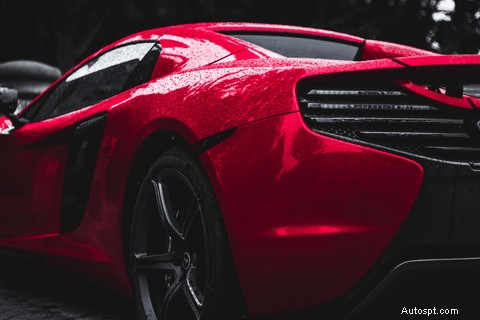
The curing time of ceramic coatings comes in a few distinct varieties, and they all cure in various ways. Some can take effect immediately after application, while other ceramic coatings take several weeks to acquire the desired hardness and defense performance.
According to a written study, ceramic coatings become longer-lasting than waxes and paint protection if appropriately cured.
We advise following the manufacturer’s instructions and guidelines to ensure accurate curing time. For example, when you use Avalon King’s IX DIY Ceramic coating, you only need 48 hours of curing time when applied correctly.
Additionally, we suggest you refrain and avoid the following during the ceramic coating process:
After the curing time, the ceramic coating will reach its maximum hardness potential. While it may seem long, remember that this helps provide the ceramic coating’s long-lasting protection — definitely worth the wait.
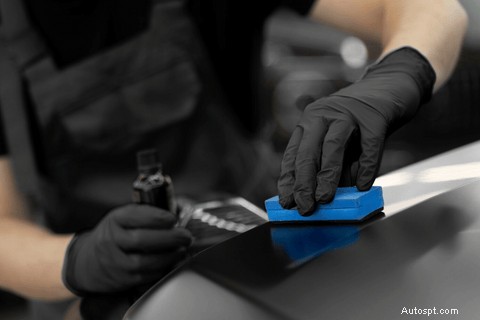
Several factors can affect ceramic coat cure time, and these should not be taken for granted.
Let’s take a look at them below.
High temperatures help speed up drying, allowing the coating to solidify more rapidly, while cool temperatures slow the process down.
However, extremes of both high and low can disrupt the balance of curing, so keep your car at a balanced temperature.
Suppose you live in an area with high air pollution levels or near heavy traffic that introduces dust or debris — be aware of these factors. Dust settling on the coating during curing is the last thing you want.
While it doesn’t slow down the curing time, it creates imperfections that compromise the coating’s effectiveness. Even worse, you might have to start again with the application if dust embeds on your car’s coat.
While ceramic coatings are hydrophobic, you should avoid getting your car wet after application. The layer needs time to cure, so if it gets rained on during the process, there is a chance that water spots may form.
Ideally, shielding your freshly coated vehicle from rain is best, especially during the critical curing period. This way, you can ensure a pristine finish without any hassle.
We’ve mentioned earlier that high temperatures can help shorten the curing period.
However, this does not mean it’s okay to have prolonged exposure to intense UV rays during the curing time — it should be the other way around.
Rapid curing in the scorching heat will not only dry the coat but might cause uneven application or premature drying. We only suggest letting it dry in the sun after 3 to 4 hours from the application, with the help of some soft microfiber towels.
Curing in cold weather introduces a unique set of challenges. While it is still possible to fix it, the ceramic coating cure time will eventually slow down in cold weather.
You must also be sure that the temperature is appropriate. If the temperature reaches below 4.40°C, the curing process will take much longer, rendering the coating useless.
You should not skip the curing process to ensure that you maximize the benefits of ceramic coating and only get the best results after application.
However, it’s understandable that you can’t wait for more than seven days before you can use your car again. So, how can you cure ceramic coating faster?
Aside from having a product, like the Armor Shield IX DIY Ceramic Coating, that can cure within 48 hours, below are tips and considerations you can keep in mind to help shorten the curing time.
Proper preparation before applying ceramic coating helps ensure the vehicle’s paint is free from contaminants. Using Ceramic prep shampoo can help promote better adhesion and allow for a smoother and more efficient curing process.
If you apply DIY ceramic coating, we highly suggest doing it inside, like the garage. Areas like these provide a controlled environment, so harsh weather temperatures and external elements will not affect curing time.
Choose a day with optimal temperature conditions before applying. Remember, the warmer the temperature is, the faster the curing.
Although we’ve mentioned that keeping your car indoors during the curing process is a good idea, you should also ensure that your garage or indoor space has proper ventilation. One will allow solvents to evaporate quickly and help shorten the curing time.
Guidelines from manufacturers of ceramic coatings usually include techniques and other product-specific tips that can expedite the curing process. Take the importance of these, and you’ll have a perfectly ceramic-coated car in no time!
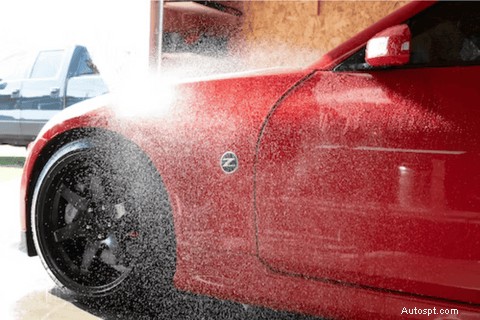
Basically, while the ceramic coating is in the curing process, you should embrace the opportunity to practice patience. So, avoid using your car during the ceramic coating cure time would be better. If not, we suggest you use it as little as possible and keep it protected indoors.
Other things you can do while waiting for the ceramic coating to set in are:
Getting Avalon King’s Armor Shield IX will be one of your best car decisions if you want a long-lasting, durable, and easy-to-apply coat. What makes Avalon King’s Ceramic Coating different is the curing time, which is at least 48 hours.
However, it’s important to note that the curing time will depend on how you follow the recommended actions for using DIY Ceramic Coat. It may vary depending on the ambient air temperature, such as the humidity.
So, keep your car in a dry and controlled environment if you want the coating to cure precisely within 48 hours. Aside from the curing process, you don’t have to worry about preparation, application, and after-care maintenance with the Armor Shield IX.
Don’t wait any further; grab an Armor Shield IX Ceramic Coating kit today!
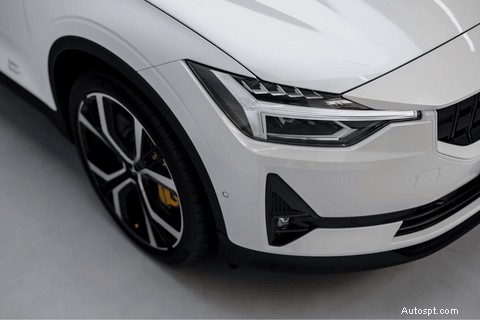
A fully cured ceramic-coated car will take about 48 hours to 2 weeks to use at maximum strength.
After that period has passed, you can now enjoy its benefits and ensure the longevity and effectiveness of the protective layer.
Meanwhile, here are a few things you should do after the curing time of ceramic coating has passed:
Conduct a thorough inspection of your car’s surface to ensure no streaks, bubbles, wash marks, or uneven areas.
During the inspection, observe the coated surface for signs of wear and tear. Continue to do this as you use your car on the road.
Address any issues like contaminants or spills on your car’s coated surface to maintain the coating’s effectiveness. You can use Ceramic Maintenance Shampoo and Microfiber towels when cleaning.
Although it’s recommended by most detailing shops that you wash your ceramic-coated car right away, we believe otherwise. You should first resist the urge to wash your vehicle after the curing time has passed to give more time for the coating to settle and bond with the paint surface.
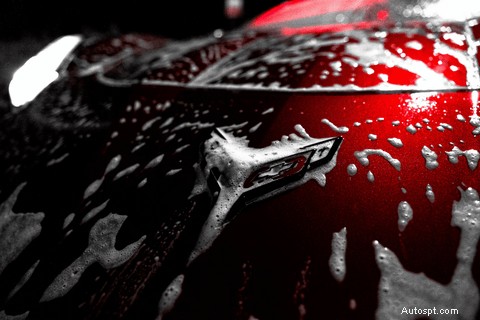
Enjoying your ceramic coating does not end with the curing time. Keeping it well-maintained for a long time will help extend its life span and strengthen its protective capability. So, how should you maintain your ceramic coating?
Here are some tips and tricks you can use:
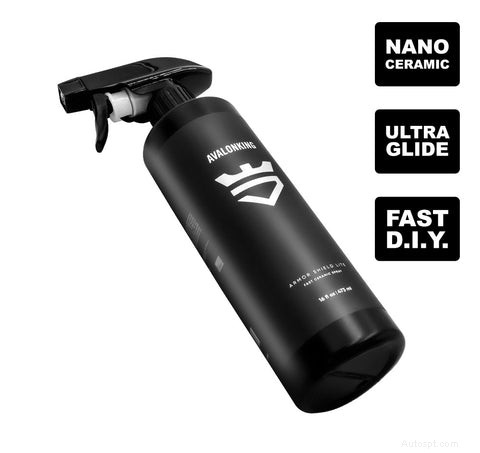
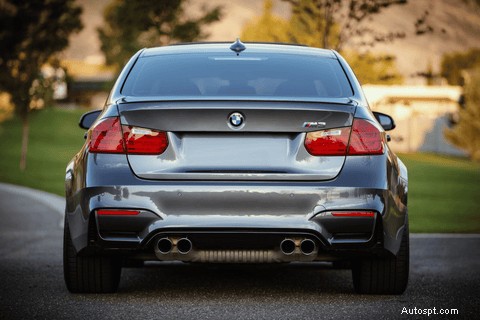
Below are the most frequently asked questions surrounding ceramic coating.
Usually, ceramic coating a car takes at least two to three days, depending on your preparation and application process. The preparation can take one to two days, while applying ceramic coating using the Armor IX DIY kit takes just a few hours. Meanwhile, curing the coat will take about 48 hours to 3 weeks at a maximum.
The ceramic coating process cannot be rushed or completed in one day. As discussed earlier, the preparation itself takes one or two days.
Meanwhile, the application can only take a few hours, but you must complete the curing time of 48 hours to three weeks.
Your vehicle is safe to drive after 24 hours of ceramic coating application. However, this doesn’t mean the coat has already been set completely.
The ceramic coating cure time takes at least 48 hours, so at least till then, we do not suggest you take your car for a drive to make sure it reaches its maximum potential.
Ceramic tints usually take four to 10 weeks before it dries. The ceramic tint’s drying time is longer than usual because of its coating and maximum level of protection. During the ceramic coating drying time, it’s best not to apply any pressure or blows to the coated part of the car.
When a newly coated car that is not yet fully cured gets wet by rain or tap water, the impurities in the coat will destabilize and may result in a premature coating. This only means the application will fail and won’t work as a protective measure for your vehicle’s paint.
Rushing the curing process can lead to less effective protection, so patience is crucial in ceramic coating curing. If you don’t want to end up with a failed project, follow essential guidelines and recommendations for the curing process.
Using high-quality products from a trusted brand is also imperative if you want a good investment for your car — luckily, Avalon King is here!
You can check out the complete set of our products here.
