
You may already know about, or have experienced firsthand, car batteries‘ propensity to die in the winter or how regular tires don’t grip snow-covered roads particularly well. Unfortunately, these issues are just the tip of the iceberg when it comes to the long list of harmful effects winter weather has on your car.
Some of these lesser-known problems are simple inconveniences while others can result in serious damage to your vehicle. But don’t panic just yet. Where there’s a will there’s a way, and there are indeed tips and tricks you can utilize to block the blow winter wants to deliver your car.
If it feels like you’re making more trips to the gas station during the winter, you’re probably right. Fuel economy in a conventional gasoline vehicle decreases between 10% and 33% when the temperature drops, according to the U.S. Department of Energy. The reasons for the lackluster performance are plentiful:
Solution: You won’t be able to completely ward off winter’s effect on your fuel tank but there are a few easy steps that can help. If possible, keep your car in a garage to prevent the engine and cabin from getting too cold. It takes less energy to keep your car warm than to get it warm, so this will go a long way in easing the burden on your engine. It will also eliminate the need for idling as you wait for car to warm up. Other helpful tips include removing any accessories that could increase wind resistance and combining trips so you spend less time driving with a cold engine.
It’s not just gas-powered cars that don’t move as well in the winter – electric vehicles can’t conquer the same distances in cold weather that they can in warmer months. One AAA study found the average driving range of an electric car decreased by about 40% when the temperature drops to 20 degrees. All this is the result of a lithium-ion battery that gets overly taxed in frigid temps.
Solution: Just as with gas-powered cars, you’ll be better off if you can keep your electric vehicle in a garage. This will save the battery from exerting a significant amount of power heating the car. Charging your battery more often, warming up the vehicle while it’s plugged in and utilizing eco-mode features are a few other ways to increase your electric vehicle’s driving range in the winter.
Learn more about how electric vehicles perform in the winter.
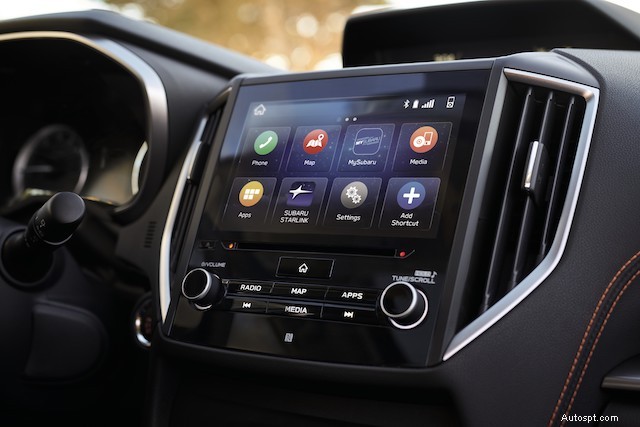
Many of today’s cars come equipped with liquid crystal display screens, better known as LCD. Just like other fluids, the molecules in these liquid crystals don’t move quite as fast when subjected to cold temperatures. Therefore, you’ll find your vehicle’s touchscreen to be sluggish and less responsive during the winter.
Solution: There’s little you can do to prevent this problem except wait for your car to warm up. The good news is that once the temperature rises, your screen will be humming along just like before.
Unless you live in the Arctic Circle, you likely will never need to worry about your gasoline freezing. However, any water moisture in the fuel lines can freeze, inhibiting fuel intake and preventing gasoline from reaching the engine.
Water can get into the lines if water vapor enters the fuel take. As the tank warms, the vapor undergoes condensation, creating water droplets that mix with the fuel and travel to the car’s engine.
Solution: Keep your gas tank as full as possible during the winter. There will be no room for air, or water vapor, if the tank is full of gasoline. Use a gas line antifreeze if you suspect there is water in the fuel tank.
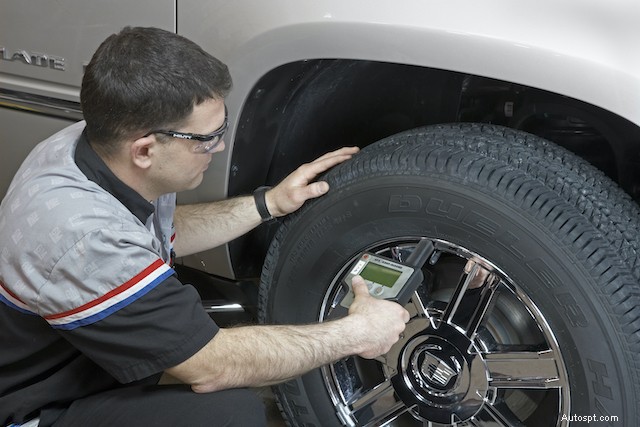
A common theme among cold-weather automotive problems is the issue of molecules contracting. As we’ve seen, this commonly occurs to a vehicle’s fluids, but it’s also true about air, as in the air in your tires. When the temperature drops, the air contracts and tire pressure decreases. Tires can lose between one-half and one pound of air pressure with every 10-degree dip in temperature. An under-inflated tire will wear down faster, negatively impact your car’s handling and fuel economy, and is more prone to a blowout.
Solution: While you can’t prevent your tire’s air pressure from dropping, you can prevent it from becoming a problem. It simply requires checking your air pressure more often and inflating your tires as needed.
Yes, you can wash your car during the winter. Here’s how.
It’s no secret that the weather can wreak havoc on a vehicle’s exterior. But what’s out of sight is often out of mind, meaning your vehicle’s undercarriage can easily be forgotten about. This is particularly troublesome during the winter when snow, ice and salt can rust and corrode the metal components under your vehicle’s floor.
Solution: Make sure to clean the undercarriage when washing your car (which you should do at least monthly). Check out these tips on how to wash your car in winter.
Motor oil becomes thicker when the temperature drops and doesn’t circulate as easily. This makes the starter motor use more energy and the car’s oil pump work harder.
Solution: Your best bet is to switch to a low-viscosity synthetic oil. Consult your owner’s manual as the manufacturer may recommend a cold-weather oil.
Save your car from winter’s wrath with AAA Battery Service. Book your appointment today to have a AAA battery technician come to you, test your car battery and, if needed, install a new one.
Get more automotive maintenance tips or leave your questions in the comments below.
Last updated on June 29, 2022 by AAA Staff
