
Car accidents happen every day and often result in large dents or even structural damage to the vehicle. These cost a lot of money to repair, so you must know how to prevent them.
This article highlights ten simple tips on preventing dents in your car.
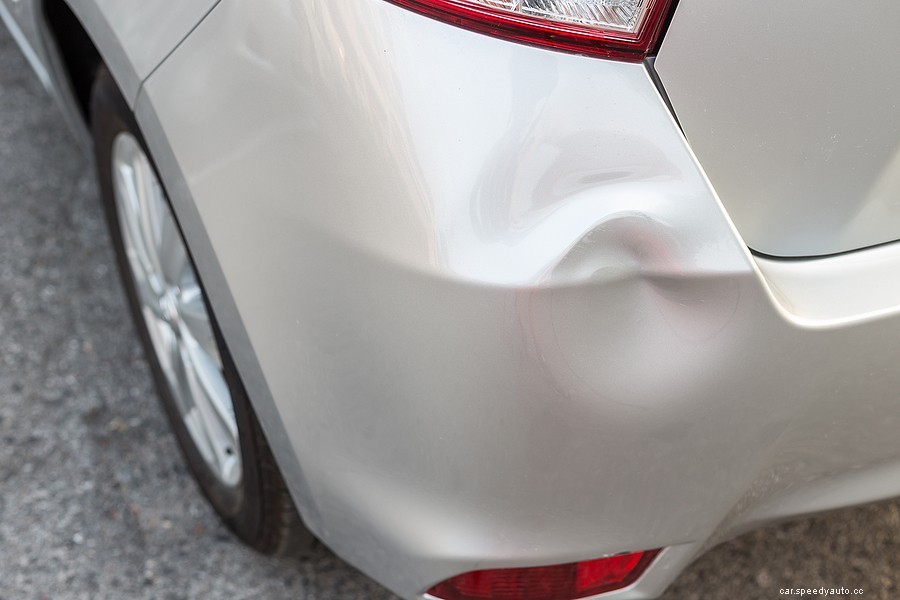
Dents are caused when the outer layer of the car body is pushed back, causing it to bulge outwards. If you bump into something, this can happen, but rough weather conditions can also cause it.
While the first and most obvious thing that comes to mind whenever thinking of dents is aesthetics, there are some other negative implications of car dents on our vehicles, including:
Dents do not only have a huge impact on the aesthetics of your vehicle but can also damage its paint. Even if you somehow remove them, this will result in more road noise due to the rough surface created.
if you have cars used for reselling purposes, car dents can greatly decrease their resale value. The moment you discover damage to your vehicle, the best thing for you is to show it so that future buyers are made aware of its condition.
when your car is hit by something, it automatically triggers the airbag system. These are inflated to absorb the shock caused by the accident so that you remain safe. However, dents in the car body reduce its efficacy, which means if one is triggered, then it will not be as effective to cushion your body as it is supposed to.
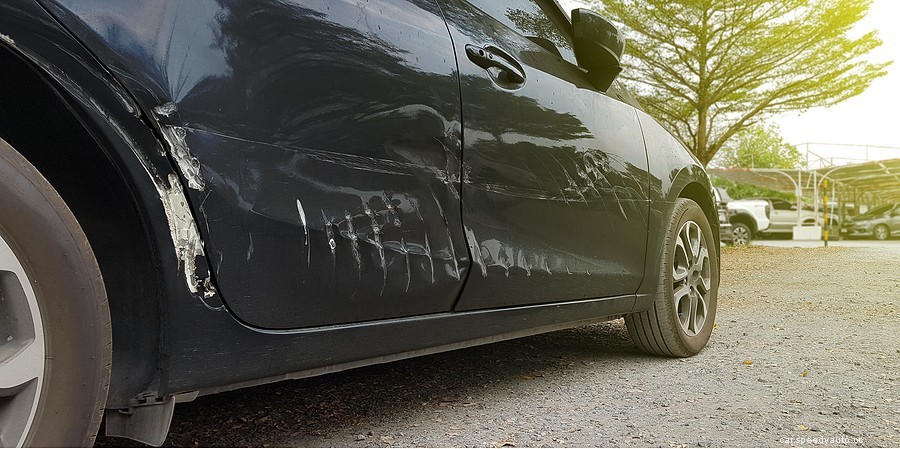
A very long list of factors usually causes car dents. Here are the ten most common:
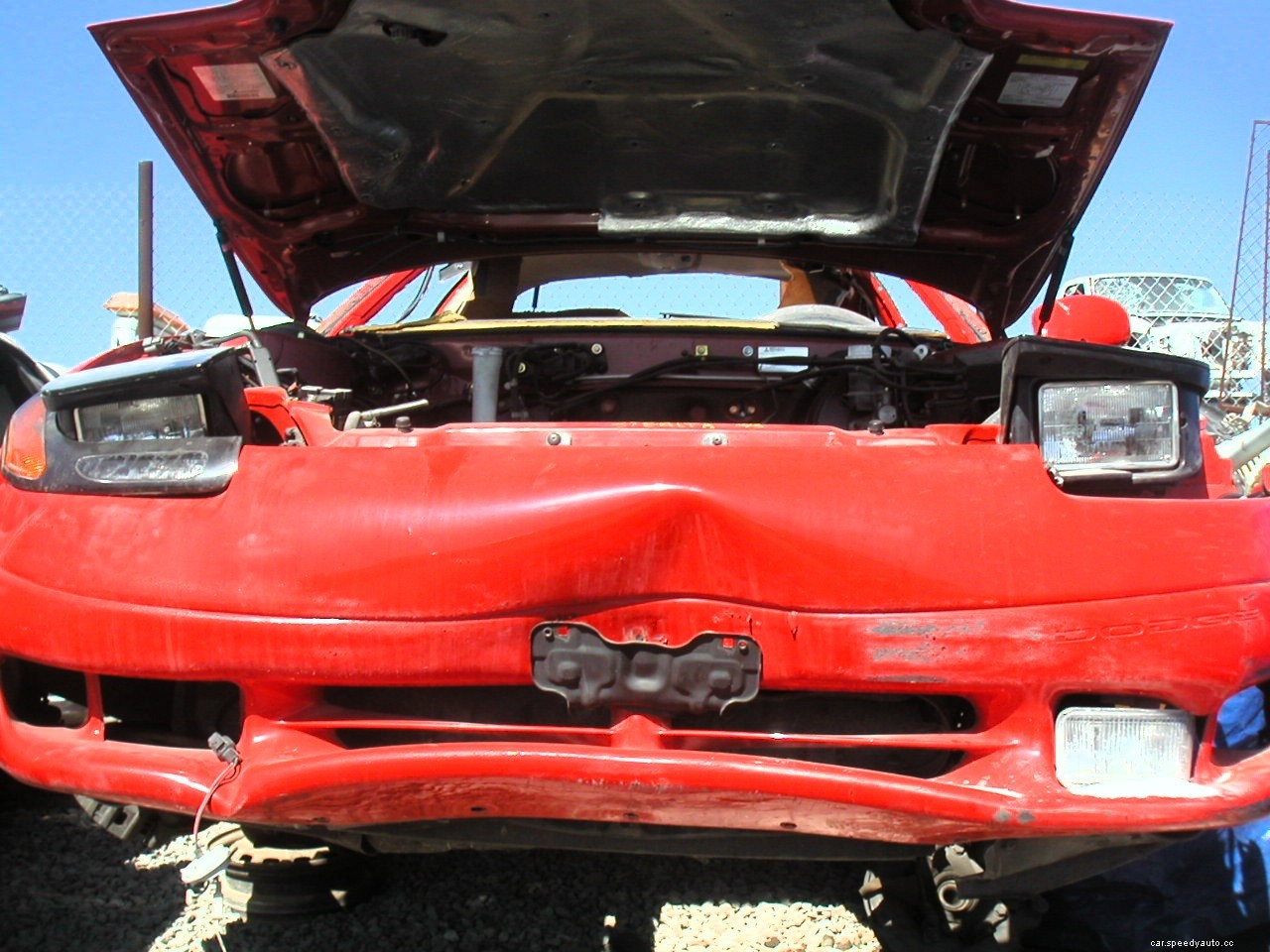
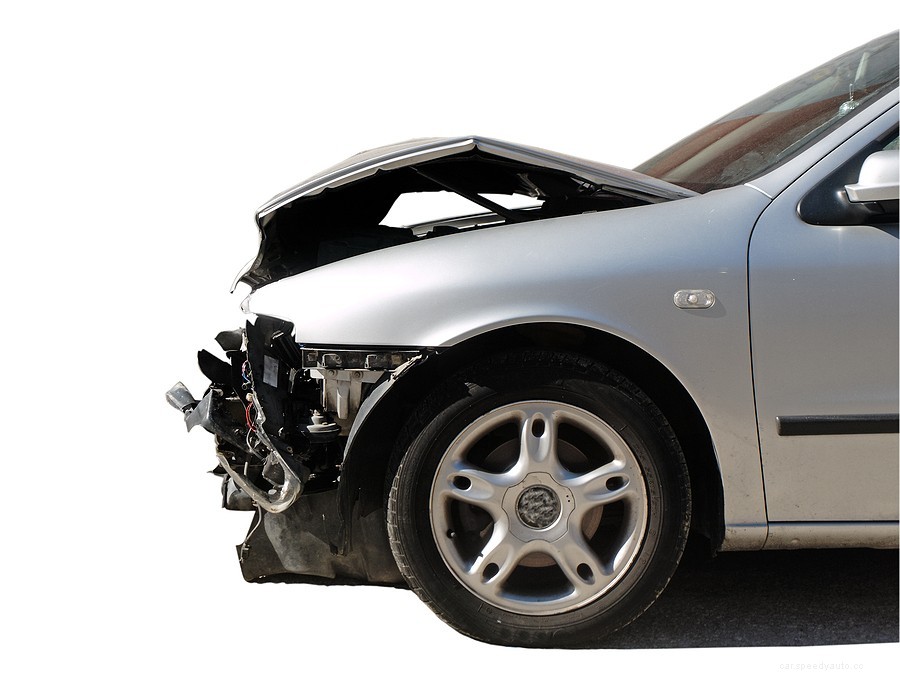
The first and foremost cause of car dents is a collision. If you were involved in an accident, the metal of your car is sure to buckle and dent under pressure.
Some collisions might cause more damage than others. It is important to get your car checked after any collision, no matter how minor it might seem.
high-pressure weather conditions can also cause dents on your car. If your area experiences extreme heat or cold, one of these weather conditions can cause the metal of your vehicle to swell or shrink, resulting in unsightly dents.
If you park your car under trees, large objects might fall on it. If these objects are heavy, they can leave big dents on the side of your car. Hitting the brakes too hard can also cause this type of dent.
If you live in an area with large rocks, they can fall off a cliff and hit your car. This is most common when driving along the coastline.
Unfortunately, some people vandalize parked cars by scratching or denting them. If this happens, the key is to report it to the police to catch the culprit.
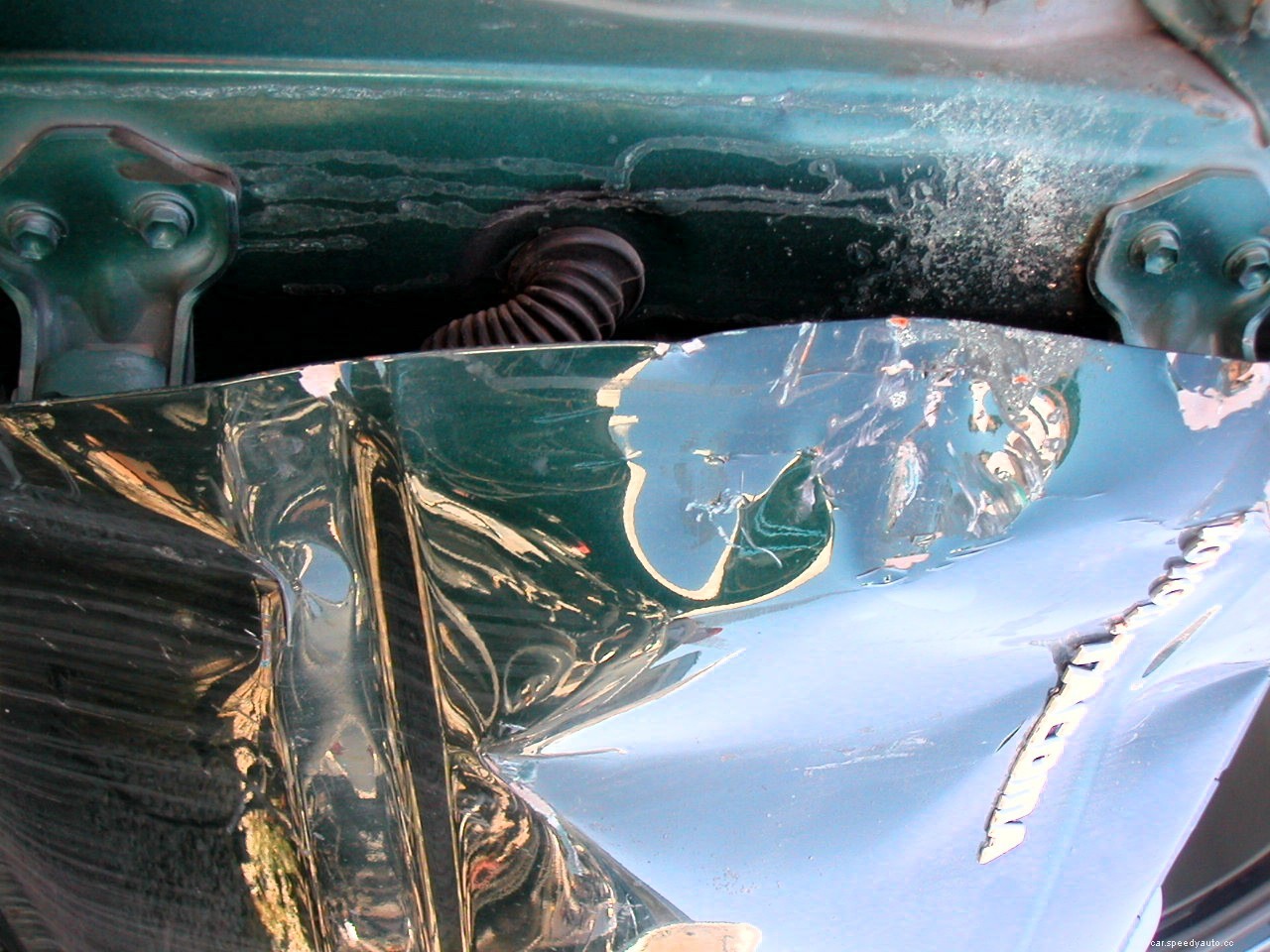
Carbon monoxide is extremely dangerous, and prolonged exposure will damage your car's exterior. This type of dent usually occurs on the hood or top of the vehicle.
Unfortunately, it is not uncommon for animals to collide with your car while driving. If this happens, the least dangerous place to hit is the front of your car because it has a very sturdy bonnet.
Tree sap can cause unsightly dents on your vehicle, especially if they are left there for several days. To remove tree sap from your car, try using a combination of dishwashing liquid and water.
Suppose you hit your car's rims while parking. It can cause dents and damage the metal. If this happens, use a rubber mallet to tap out the dent without damaging the rest of your vehicle.
Hitting your car's mirror by opening your door too quickly is a very common way to dent the side of your vehicle. To avoid this, open your door with caution and don't swing it wide open.
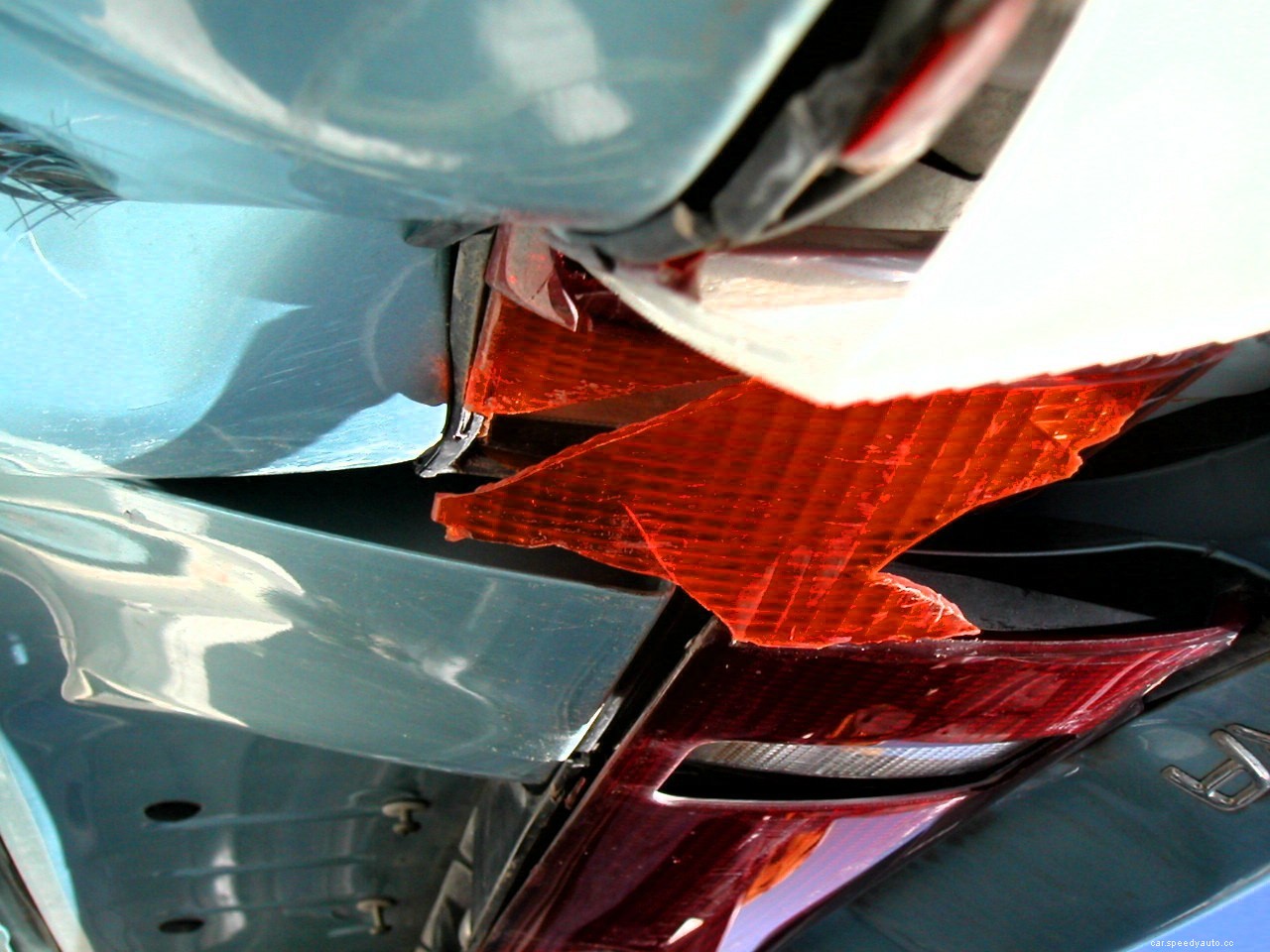
If you want to prevent dents in your car, avoid driving in bad weather conditions. This is especially important when it comes to high-pressure weather.
large objects could fall on your vehicle if possible. If you are forced to park under a tree, regularly check the area for any falling debris or leaves that might fall on your vehicle.
If you live near a cliff, never park along the side of it. Falling rocks can easily damage your car with very little effort. In addition, avoid driving down narrow roads that have no shoulder for extra protection from falling debris.
if your area is prone to extreme weather conditions. Listen up for any announcements about high pressure or storms that could potentially damage your car.
exhaust fumes can damage the exterior of your vehicle if they are allowed to enter inside. To avoid this, keep the windows closed at all times while you are driving.
Although it might seem strange to give a tip on how to prevent dents in your car, keeping the outside of your vehicle clean will make sure that debris does not get stuck under the metal. If debris gets trapped, it could cause dents each time you close your doors.

vandals are more likely to damage your vehicle if they cannot see where they are going. To prevent this from happening, park in well-lit areas under surveillance at all times.
if you have already left a dent on the side of your car, use automobile touch-up paint to fix the spot. This will stop future dents and prevent rust build up around the damaged area.
Suppose you hit your vehicle's rim when parking; it can cause unsightly dents and scratches on your car. To prevent this, park further away from the curb when you pull in.
Although it might seem odd to mention twice in one article, keeping your car free of debris will protect its exterior from accumulating small particles that can accidentally scratch or dent it.
This puts stress on the side of your car and causes unwanted dents in the metal every time you swing the door open. If possible, try pushing in on the opposite end to reduce strain.

There are multiple ways to fix your car dents at home without wasting a lot of money on expensive touch-up paint.
One of the easiest ways to fix these small dents is simply using a wet towel and hot water. First, heat some water until it is hot enough to steam wet a towel with the liquid, and hold it over the affected area.
If you need to remove dents from your car without causing any damage to the paint, fill a plastic bag with some dry ice and place it on top of the dent.
The cold air will cause the metal to contract and pop out any small dents on your car. Make sure you hold onto the dry ice bag tightly, as it can burn exposed skin quickly.
To fix your car's scratches without spending too much money on professional repairs, fill an empty container with some water. The size of the dent should not matter because this method works well for all vehicle scratches. Then, place the plunger over the affected area and pull up to remove it completely.
Use a plastic lid from your home supplies for smaller dents instead. Whichever method you choose, make sure that you are careful around painted areas of your car, as this solution could lead to a paint job if not applied carefully.
Fixing dents should cost anywhere between $10 and $100. Note that this cost varies by several factors:
Of course, the price for this type of service will depend on the size and depth of your dent. Larger dents usually require more time to remove, which leads to a higher cost.
In some cases, if your vehicle's paint job is still in good condition, but there are a few scratches, it might be cheaper to pay for just the touch-up paint and do it yourself rather than paying for a full repair.
If your car has been dented in several different areas, you might want to consider taking it to a professional to save money on labor costs. However, if only one small dent needs repairs, you can save on costs by doing it yourself.
There's nothing wrong with wanting to fix your car scratches and dents at home, but you need to be aware of some issues that could arise as a result of this type of repair:
When pushing down on the plunger or cup suction method, only apply enough strength into it to remove the dent. If you apply too much pressure, you might end up with a bigger problem than before.
When using any DIY methods, be careful not to overfill the area with water or dry ice so that it does not leak when removing it.
Most DIY methods can leave marks on your car's paint. Therefore, it is advisable to cover many areas around the affected area to prevent damage. If you do not have a cloth handy, use your hand or tape.
When removing the plunger from an area, be careful not to press down directly on the plunger because it could cause water to splash out.
When using the wet towel method, you will need to use a towel to wipe away any excess moisture from your vehicle quickly. Just be sure that you're not too rough with the towel because it could cause more damage if accidentally wiped across painted areas.
Before reassembling your car, always double-check to ensure no leaks are present. If the damage is severe enough that you could not repair it yourself, then take it to a professional or request for a quote first before paying for repairs.

Yes, some dents can be dealt with by paintless dent repair services. This method of repairing cars uses several special tools to push dents out of your car. The only equipment required are the following:
The most important tool used in this process is a stud welder gun, an electronic device that emits an arc of electricity to soften the metal. The most important part of this process is not to touch any bare wires or contacts with your hand because it could cause severe injuries if you are electrocuted.
Fixing small dents and scratches on your car is usually a waste of time and money, especially if they are located near the edges or corners.
When you notice one of these minor dents on your vehicle, tap it out with a rubber mallet until it is smooth again. Auto touch-up paint can also help in most cases.
However, if the dent is larger or seems to be a different color than your car's body, it might be more beneficial to take your vehicle in for professional repairs.
Yes, it is always good to remove all dents before selling a used vehicle. Whether you plan to sell your car privately or trade it in at a dealership, removing these dents can help improve the overall appearance and sell faster.
However, consider fixing them before reselling your car if you notice deeper scratches and damages across your vehicle's exterior paint job.
It is not always easy to keep your car dent-free. Sometimes, it just happens, and there's nothing you can do about it. But the good news is that with these ten simple tips on How to Prevent Dents in Your Car? You will be able to avoid more expensive repair costs by taking care of dings as soon as they happen.
