
It is no secret that oil changes are important in car maintenance. Changing your car's oil at regular intervals is one of the best ways to protect your engine and ensure its longevity.
However, changing your oil can also be a costly and frustrating experience if you're not careful. To help you avoid some of the most common oil change complications, here are ten tips that will help prevent oil change complications.
Many things can go wrong in the oil change process, which is why it's important to make sure you do it under safe conditions. Here are some common mistakes that people make while changing their oil:
This is one of the most common mistakes when performing an oil change. Ensure that you always use the oil and filter recommended by your vehicle's manufacturer. Also, be careful not to use an oil with a viscosity (thickness) level outside of the specifications listed in your owner's manual.
Adding too much or too little oil will cause the engine not to perform as it should. Ensure that you're using the recommended amount of oil for your vehicle's make, model, and year.
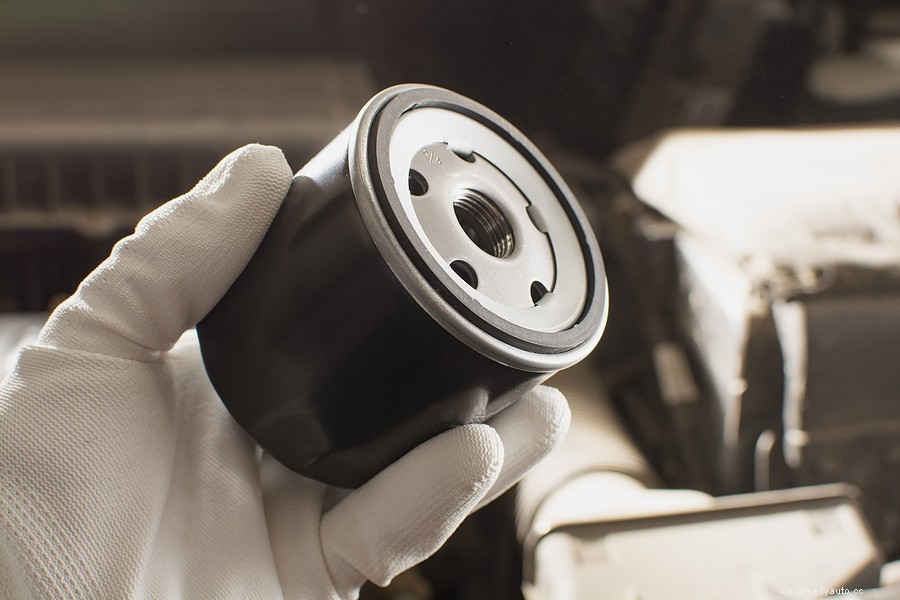
You'll need to change your old oil filter with a new one during an oil change. If you fail to install a new filter or re-install the old one, your oil will not be filtered properly.
There are three types of filters: paper, glass, and synthetic. Make sure you use an oil filter that's compatible with your vehicle's make, model, and year! It's also essential to check if your car needs a cartridge (integrated) or spin-on (separate) oil filter. It's easy to confuse these two because they're similar in appearance — but they're very different in the application. If you fail to replace your old oil filter with a new one during an oil change, contaminants will remain in your engine after it has been started.
Changing your oil is only half of the job. You'll also need to check for any leaks after your car has been started to ensure that you haven't caused any damage during the process.

Tightening or replacing these plugs ensures that no oil will leak out while you drive — which could be very dangerous if ignored! Make sure you do this so that there's no chance of an accident on the road.
If you're changing your oil, make sure that someone isn't waiting at home with a flat tire! Of course, it's best if they're not at home, but it's important to have someone on the phone aware of your location and can help if you need a lift or a jump.
Again, make sure that you have an extra quart of oil that you'll be able to use in case of an emergency! If you don't have oil with your car change kit, ask for some from the store when buying the oil. It's worth noting here that changing your oil isn't a DIY project — it should only be done by people seasoned in automotive maintenance.
You must use a quality, sturdy oil drain pan to catch the old oil during an oil change. Cheap, flimsy pans are more likely to leak — putting you at risk for injury. Also, if the wrong kind of drain pan is used during your car's next oil change, there's a greater chance that the oil will spill onto the driveway. This increases the risk of slipping and falling, leading to serious injuries.
All of your car's precautions should be taken when changing its oil! If you skip any part of this process, there's a greater risk of something going wrong.
In most cases, oil changes aren't complicated — but it's important to do them right! Make sure you follow the steps outlined in your owner's manual for a quality oil change. Also, be sure to work with a reliable Nissan dealer who can help ensure that the process goes smoothly.
Different types of cars need the oil changed at different intervals. Make sure you check your owner's manual for your vehicle's recommended schedule.
Here are some common oil changes frequencies by vehicle's types and oils types:
You must use the oil recommended by your vehicle's manufacturer. Using a different type of oil could decrease the life of your engine! It also increases the chance of leaks and other problems occurring.
In general, here are the most common engine oil types along with their pros and cons:
This oil is the most popular type of motor oil, and it can be found at any gas station. As a result, it's the cheapest option you have, but that doesn't mean that it's not a quality product.
There are several different types of conventional oil, including:
Conventional Oil Advantages
Conventional Oil Disadvantages
This is an excellent choice of engine oil if you want something compatible with almost every engine and provides greater protection than conventional oil.
But, there's a catch: synthetic blend oil isn't one type of oil. Instead, it refers to any oil containing synthetic and traditional mineral oils. This means that it might not protect your engine and some other types on the market.
Synthetic Blend Oil Advantages
Synthetic Blend Oil Disadvantages
Full synthetic oil is the best type to use in your engine because it offers superior protection and high performance. However, if money isn't an issue, we recommend that you only use this type of engine oil for all future changes.
Full Synthetic Oil Advantages
Full Synthetic Oil Disadvantages
#4 synthetic blend motor oil
As we mentioned earlier, one way to classify synthetic blender oils is by their viscosity. But, of course, the viscosity you choose depends on where you live, how hot it gets and how cold it gets.
The best way to prevent oil change complications is to learn the correct process. Therefore, if you're planning to change your vehicle oil, follow these steps:
When performing an oil change, the first thing you need to do is place a drain pan under your vehicle's engine. If there isn't one already in place for you, we highly recommend investing in one. This simple step will prevent unnecessary damage when you remove the old oil. These can be purchased at most auto part stores and usually cost under $10.
Next, loosen your oil drain plug with a wrench or ratchet before draining out the old oil. While loosening the drain plug, you should be careful because it could have been installed over-tight.
You risk breaking the plug before all the oil has drained out if this happens. However, once the plug is loose enough, you can remove it by hand and drain your vehicle's old oil into the pan below.
The next step in changing your car or truck's engine oil is removing its filter. Before doing this, though, make sure that your drain pan is under where the filter will be removed from. To do this, feed a couple of inches of new oil hose into the top of the engine to get rid of any air pockets that are inside.
Now place an “O” ring onto the filter cap and spray it with a lubricant like WD40 to make sure you can remove it easily. To finally remove the old oil filter, place a filter wrench or strap wrench around it and turn counter-clockwise to break its seal. Once loose, detach the filter by hand and finish draining the older oil out of your engine into your drain pan.
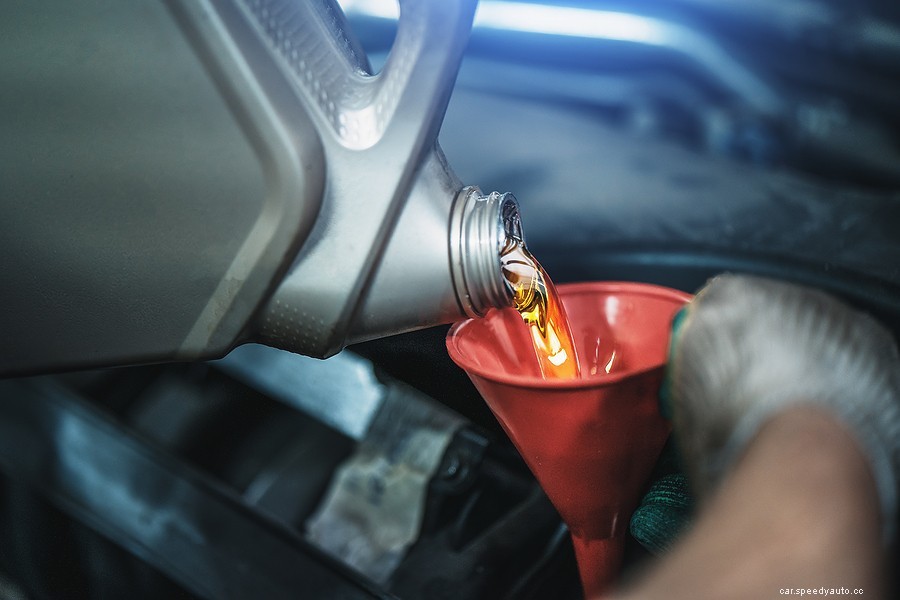
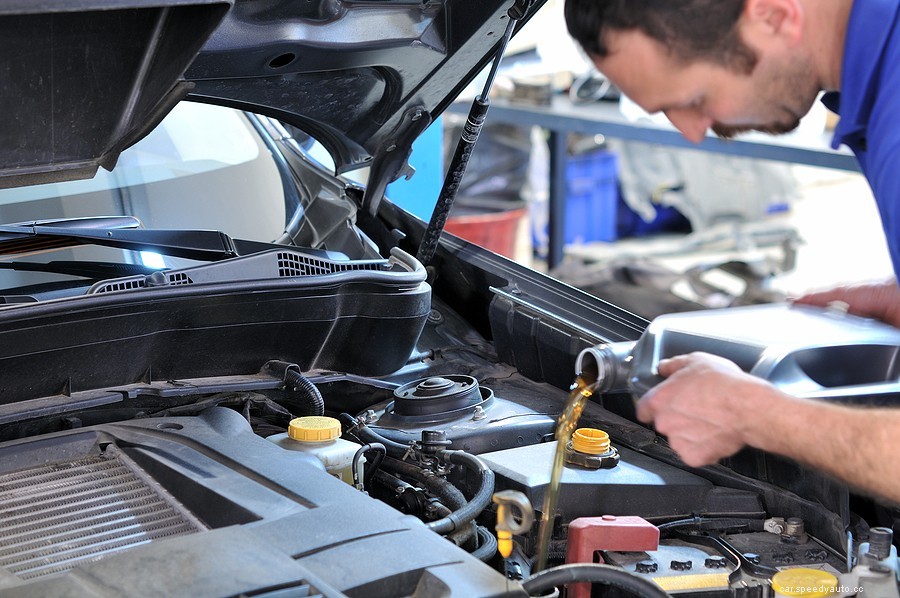
Once all of your engine's old oil has been drained, wipe any excess dirt or grease off that might still be inside before adding new oil. Next, open up one of your vehicle's quarts of fresh motor oil, pour half the amount in first, then start pouring in another half until you see that the oil is being sucked into your engine's oil passages.
When adding new motor oil, you want to make sure that it fills up all of the spaces in your crankcase. Otherwise, an air pocket will form, which can damage your vehicle.
The next step in changing your car or truck's engine oil is adding a new filter. Before doing this, make sure that you lubricate your “O” ring with some WD40 before attaching it to the filter housing.
Now place a new filter on top of where it will be attached and hand-tighten only until it's snug, then use a strap wrench or filter wrench to tighten another quarter turn or half-turn. Finally, re-attach your drain plug and tighten it to the manufacturer's specifications. Once you've finished this, you can now start up your car or truck and check for any leaks.
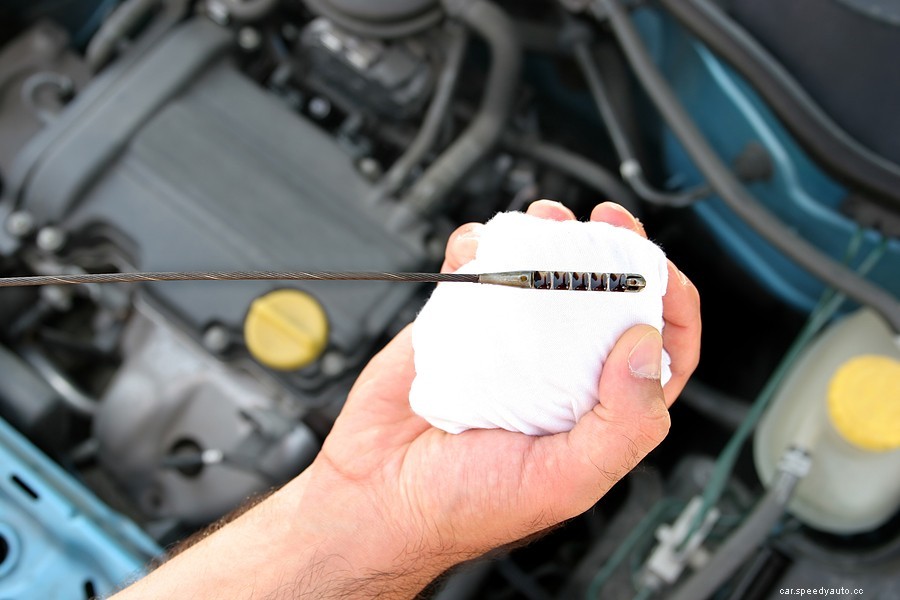
After letting your vehicle idle for a few minutes after changing its oil, shut off the engine and check the oil dipstick.
If it reads that there is enough oil in your crankcase, then congratulations, you have successfully changed your own engine's oil! If not, then add more until it reaches an acceptable level indicated by your manual or on a sticker somewhere inside of the hood.
Changing your car or truck's engine oil can seem like a daunting task, but if you follow these simple steps, then you'll be able to do it without any problems.
By placing a drain pan under the engine, loosening the drain plug with a wrench, and removing the old filter with a filter wrench, you'll be able to finish changing your oil in no time. Just make sure that you add new oil before adding the new filter and check the level once the engine is warm.
