
In the United States, an engine block is considered cracked if it has more than one crack. Cracked blocks are expensive to repair and can lead to further problems with your vehicle's performance or cause other parts of the engine to fail.
A cracked engine block may be caused by factors such as lack of oil changes, overheating, improper alignment of head bolts during installation, or over-tightening head bolts. The following sections will detail some of the most common causes for a cracked engine block.
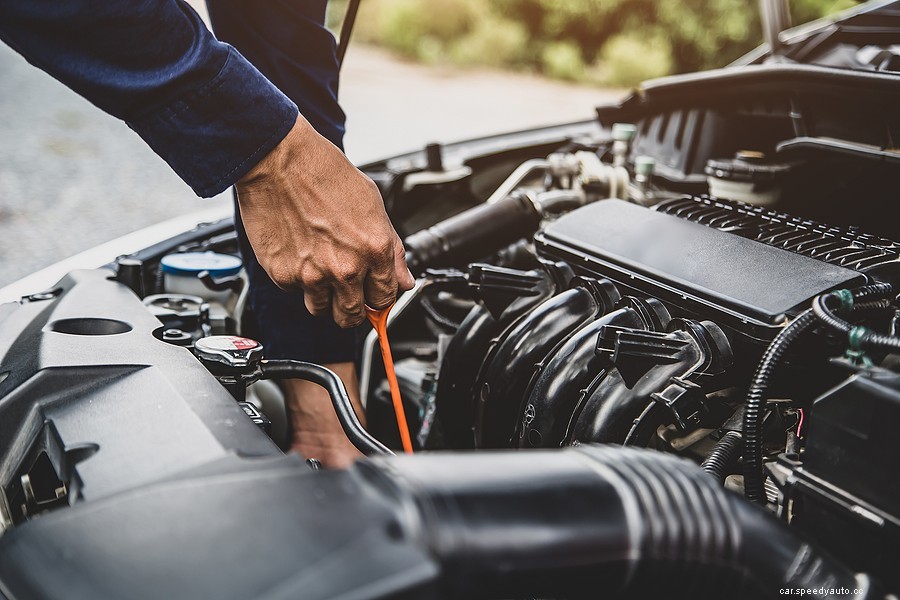
A cracked engine block is the most likely cause of an oil leak. An engine block with a crack can also lead to overheating, lack of power, and straining other engine parts, like pistons or cylinders.
All types of cracks are bad news for your engine because they allow coolant and oil to mix, which will destroy your vehicle within a few miles.
The best way to determine if your vehicle has a cracked engine block is to check for oil or coolant leaks. Other symptoms of a cracked engine block include:
The first and most common symptom of a cracked engine block is overheating. A bad oil leak can cause your engine to run low on oil, which will lead to it overheating.
An engine with a cracked block often starts with decreased power or stops running altogether. This can be caused by an abnormal sound, which is probably the result of the crack straining other engine parts.
When a crack forms in an engine, it can cause loud or unusual noises, such as popping and knocking. These noises are caused by the block straining other parts of your vehicle's engine, like pistons and cylinders.
Oil leaks from a cracked engine block will create a pool around the leak that is noticeable when you park your vehicle. You might also see oil stains on the ground under where you park your vehicle regularly.
Coolant leaks from a cracked engine block will usually appear as a puddle of fluid near the front of your vehicle, which is under the hood. Coolant stains on the ground will also indicate that your vehicle has a coolant leak.

Understanding the causes of a cracked engine block will help you prevent future issues with your vehicle. Repairing a cracked engine block is very expensive, but there are some things you can do to minimize the damage.
Common causes of a cracked engine block include:
You should have your oil changed every three months or 3,000 miles, whichever comes first. Not changing your oil regularly can cause small cracks to form in your engine block, eventually leading to the entire engine block cracking.
Consequences: You'll eventually need to replace the engine block, which costs thousands of dollars.
Repair costs: about $5,000
The most common cause of an engine block crack is overheating. This is usually caused by a bad oil leak or head gasket failure.
When it gets hot outside, don't leave your car idling for any period unless the AC is on. Not only will this overheat your engine, but it will also damage the oil and cause a crack.
Consequences: Engine overheating can lead to a cracked engine block, leading to other problems like pistons or cylinders getting damaged.
Repair costs: about $5,000
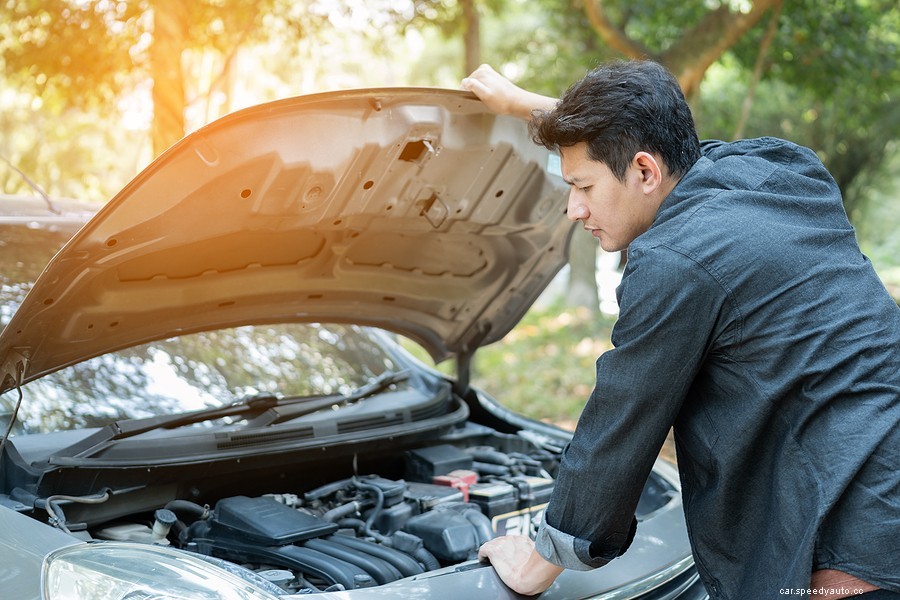
If you notice that your vehicle is losing power or finds it isn't starting properly, you should check the oil first because the problem could be a lack of oil pressure.
Running without any oil in your car for an extended period could result in engine failure and severe engine damaged beyond repair. You'll need to replace the entire engine if this happens.
Consequences: The consequences are severe; if you lose all of the oil in your vehicle's engine, you'll need to replace it.
Repair costs: about $5,000
If the coolant level gets too low in your engine block or cylinder heads, hot spots can form and cause cracks. When this happens, please don't use your vehicle until you get the problem with the engine block fixed because driving it with a cracked engine will lead to further complications like warped heads and pistons getting damaged beyond repair.
If you notice that the cooling fans aren't spinning on your car when you turn on the AC, it means that there is a lack of fluid going through them. This can be a symptom of a crack caused by low coolant levels.
Consequences: Low coolant levels can lead to a cracked engine block, leading to other issues like warped heads or pistons.
Repair costs: about $5,000

A potentially dangerous oil leak is caused by the gasket around the oil pan being bad. If you have problems with this gasket, you should replace it immediately because continuing to drive the vehicle could cause serious damage beyond repair. It takes most cars about 30 minutes to replace this gasket.
Consequences: Expensive repairs are required if you want your vehicle's internal parts to remain in good condition after an oil leak has damaged them.
Repair costs: about $100
A broken timing belt is a common cause of engine block cracks, warped heads, and damaged pistons. You should know that it costs more to repair or replace your engine than what you pay for your car.
You'll need to buy another vehicle if this happens because the repair bill will be too expensive.
Consequences: Expensive repairs are required if you want your vehicle's internal parts to remain in good condition after a broken timing belt has damaged them.
Repair costs: about $1,600
If the gasket around the oil pan is bad, don't drive the vehicle until it gets repaired because driving with the gasket in that condition could cause serious engine problems like an engine block crack.
Consequences: Expensive repairs are required if you want your vehicle's internal parts to remain in good condition after a transmission fluid leak has damaged them.
Repair costs: about $100
A failed head gasket can lead to block cracking or even worst damage, such as warped or melted pistons and cylinders. Repairs for this type of problem usually include removing the oily and replacing it with a new one and other necessary adjustments and modifications.
Replacing a failed head gasket isn't something that you want to have done by just any mechanic because this task requires specific training.
Consequences: Expensive repairs are required if you want your vehicle's internal parts to remain in good condition after a failed head gasket has damaged them.
Repair costs: about $1,000
A cracked engine block is likely one of the worst problems that can happen to your car because it requires replacing the entire engine.
The most common causes for this specific issue are overheating and incorrectly infusing antifreeze during wintertime. This means that you need to keep an eye on your thermostat and radiator fluids and ensure they never run low during cold weather seasons.
You should also know that oil pressure issues could also lead to a cracked engine block.
Consequences: Replacing your engine is a very expensive and complicated process, which is why it should only be done by highly skilled mechanics specializing in the required repairs/replacements.
Repair costs: about $3,000
Driving with low oil levels could cause problems like worn-out bearings and pistons, leading to an engine block crack because of the heat caused by friction.
The top causes for this issue are forgetting to check whether or not your car's oil tank needs filling up and taking too long to refill the oil tank when you notice that it gets empty. Remember that there should always be a minimum level of oil in the reservoir to avoid damage.
Consequences: Expensive repairs are required if you want your vehicle's internal parts to remain in good condition after running on low oil for extended periods has damaged them.
Repair costs: about $300 (to replace the oil gasket)
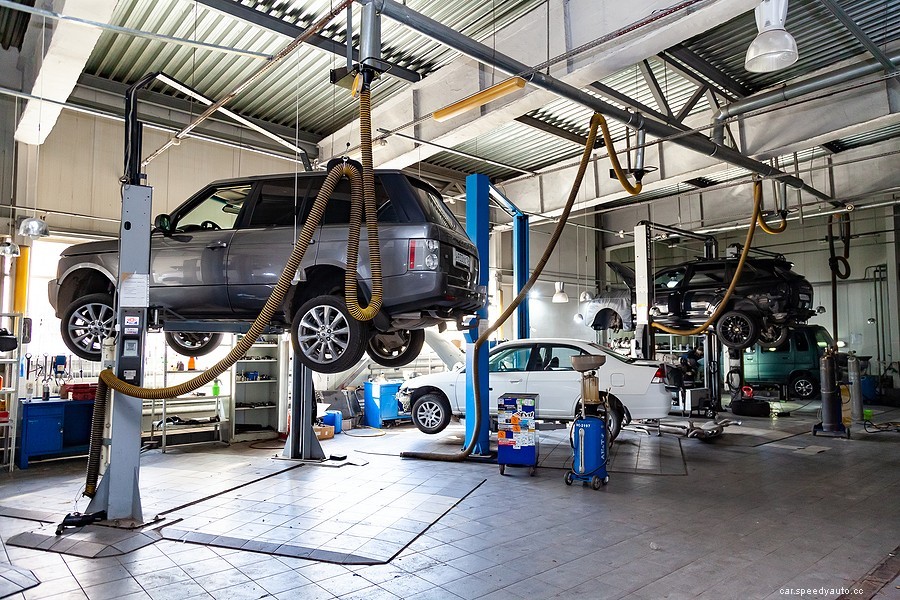
To prevent your engine from cracking, you must keep an eye on the coolant levels and change them when they get low or dirty. You should also regularly check the oil level to ensure that there is always enough of it in the reservoir.
While overheating isn't a very common problem, if you drive your car on very hot days (especially when it's parked under the scorching sun), you should make sure to check more often for any signs of overheating or engine block damage.
Bad gas mileage isn't directly related to an engine block crack. Still, if it happens too frequently, it could be a symptom of other underlying problems like a defective oil pump, dirty filter, or even low oil levels.
Remember that if you want to reduce the risk of these issues, you should always make sure that you use quality car fluids and filters for your vehicle because second-rate products tend to cause more harm than they fix/prevent.
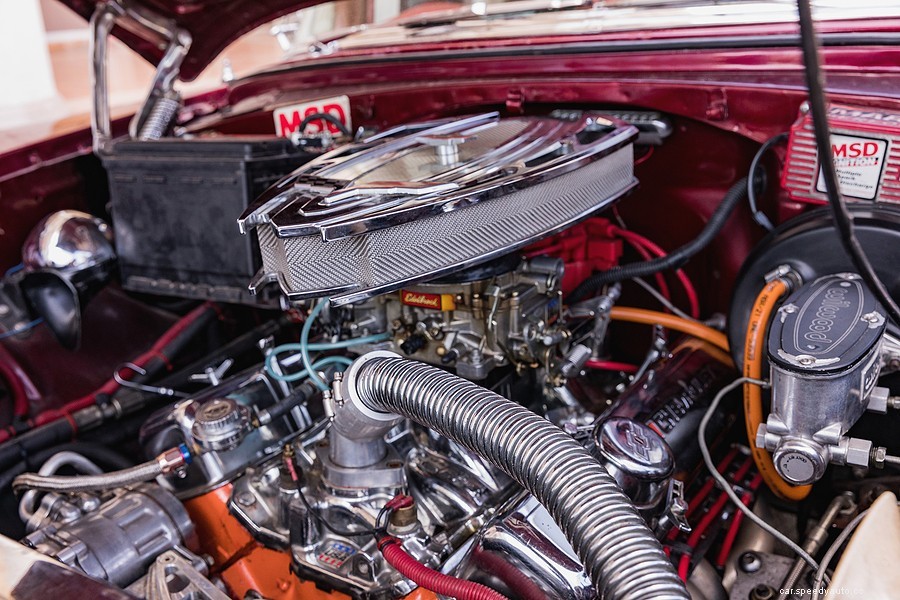
Here are some tips and recommendations to prevent cracking your engine's block:
It may seem counterintuitive, but your engine block is more likely to crack the hotter the weather gets because of increased friction caused by high temperatures. You should also know that coolant fluid tends to lose some of its effectiveness during extremely hot days.
Keeping an eye on your car's engine fluid (especially the coolant level) is one of the best things that you can do to prevent any damage. You should also ensure that you never run out of oil and always use quality filters for the necessary fluids because they tend to be more effective than second-rate products.
Having a reliable mechanic look at your engine block now and then is an excellent way to keep it in good condition. If this task doesn't seem easy enough, remember that many professional mechanics are available who will gladly provide these services. Also, some telltale signs may indicate problems with your vehicle's internal components, so don't neglect them if they're present.
When you attempt to overheat your car's engine, it may lead to serious damage, which can cost a lot of money in the end. Remember that the temperature outside of your vehicle has nothing on what goes on inside if you drive on extremely hot days or idly park in direct sunlight for extended periods.
Remember that second-rate products are more likely to cause issues with your car's engine and tend to lose their effectiveness after being used for an extended period. Therefore, you should focus on changing new oil every six months or 5,000 miles because this will keep engines running smoothly and prevent them from overheating due to lack of oil.
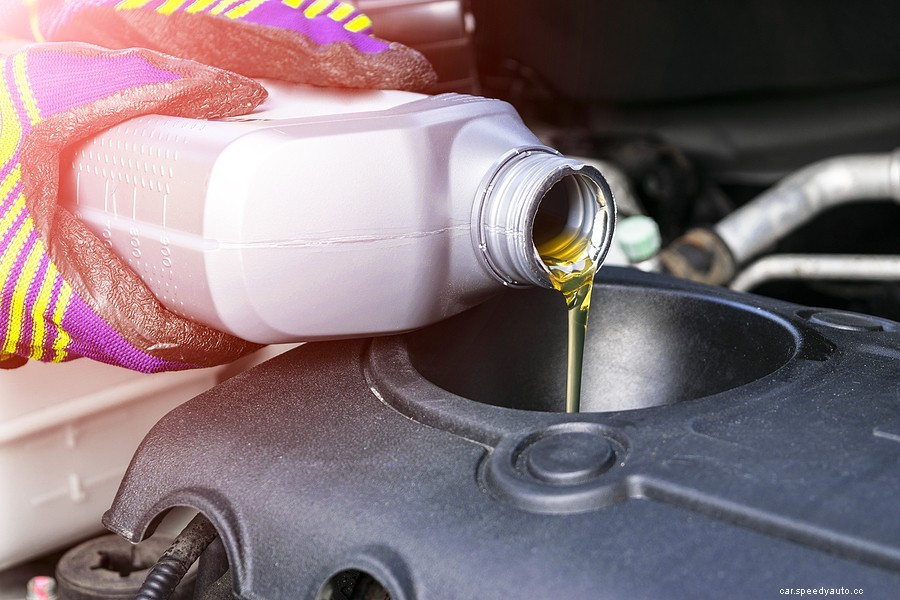
Unfortunately, this problem can affect almost any vehicle on the road today. However, some types of vehicles have a greater probability of being affected by it than others do. Here is what you should know about vehicles with cracked engine blocks:
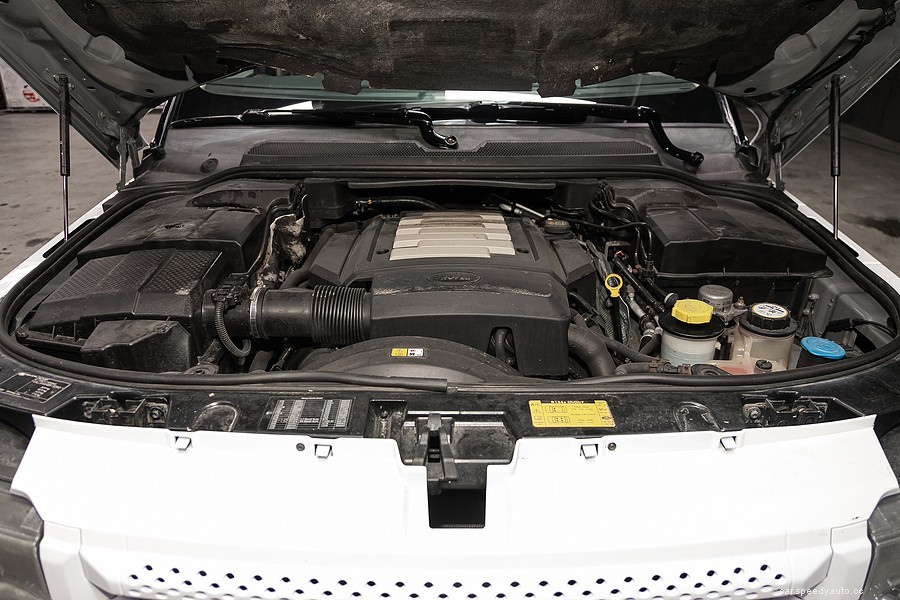
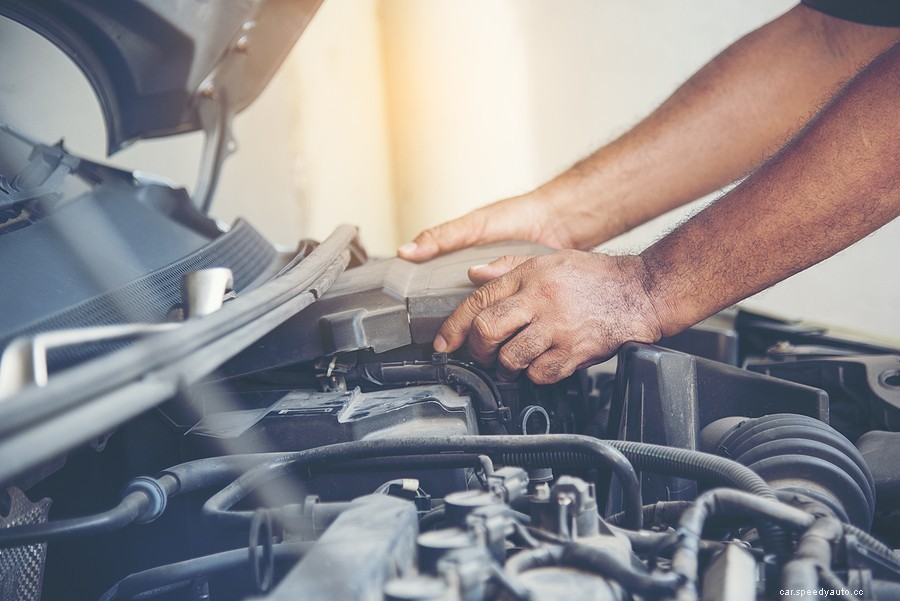
If you're concerned about the possibility of your engine block cracking, then heed our advice and follow these simple tips.
Not only will they help to prevent any damage, but they'll also save you a lot of money in the long run.
Remember that an overheated engine is one of the most common causes of this problem, so be sure to keep an eye on the temperature gauge and take necessary precautions if needed.
