
Transmission is the part of a car that transmits power from the engine to the wheels. It's also called a gearbox, and it's one of the most complex pieces of machinery in your vehicle.
The better you understand how this system works, the less likely you'll be at risk for costly repairs. Here are ten common causes that can lead to a transmission failure:
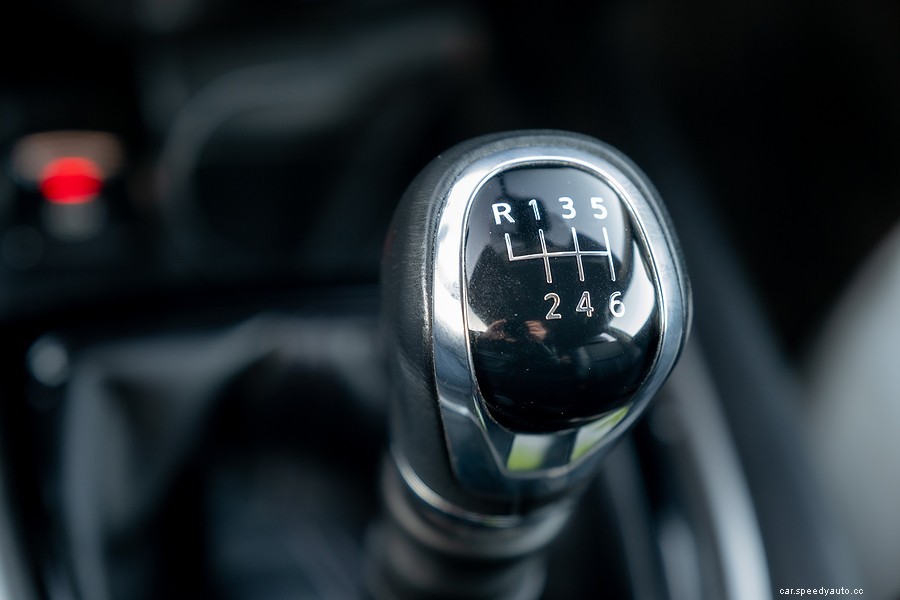
Before we get started, let's understand what a transmission is and how it works. A car's transmission transfers power from the engine to your vehicle's wheels or other powered elements (like an anti-lock brake system). It does this by converting rotational motion (side to side/back and forth) into some linear motion (forward and back) that enables your car to move.
It's not as complicated as it sounds. Still, there are different types of transmissions, including manual gearboxes with or without synchronized gears, automated-manual gearboxes (think “stick shift” or “clutchless manual”), and automatic transmissions.
Manual gearboxes are generally less complicated and more reliable than automatic transmissions. Automatics have to deal with several other parts, including hydraulic pumps, torque converters, planetary gearsets, and electronic controls. Automatic transmissions also tend to overheat because too many components need power at once.
When you drive a car with an automatic transmission, the engine's power is automatically transmitted to the wheels. How does that happen? There are several components involved in making that work:
The transmission itself. The gears inside the casing of your gearbox (think “transmitting”) connect to both the engine and the wheels (depending on which gear you're in, of course).
The torque converter. This device transmits power from the engine to the transmission and then to the wheels. It's a bit like a multistage water pump: water flows into the top of the hydraulic ram and pushes down on an up-and-down piston inside it. If you've ever seen a hydraulic car jack at work, you have a good idea of how a torque converter works.
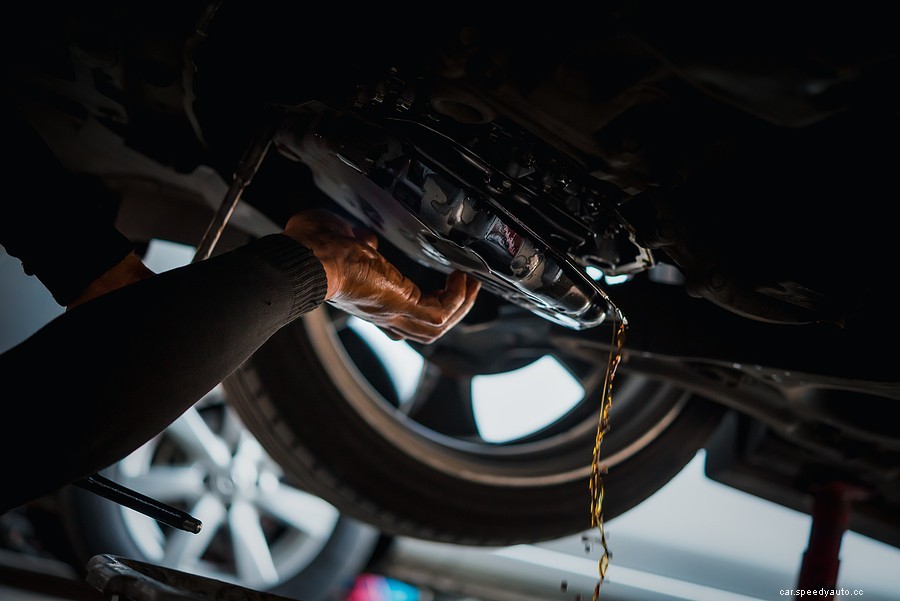
The transmission fluid. It's what transfers power from the engine to the wheels and keeps your gears cool when you're driving around town.
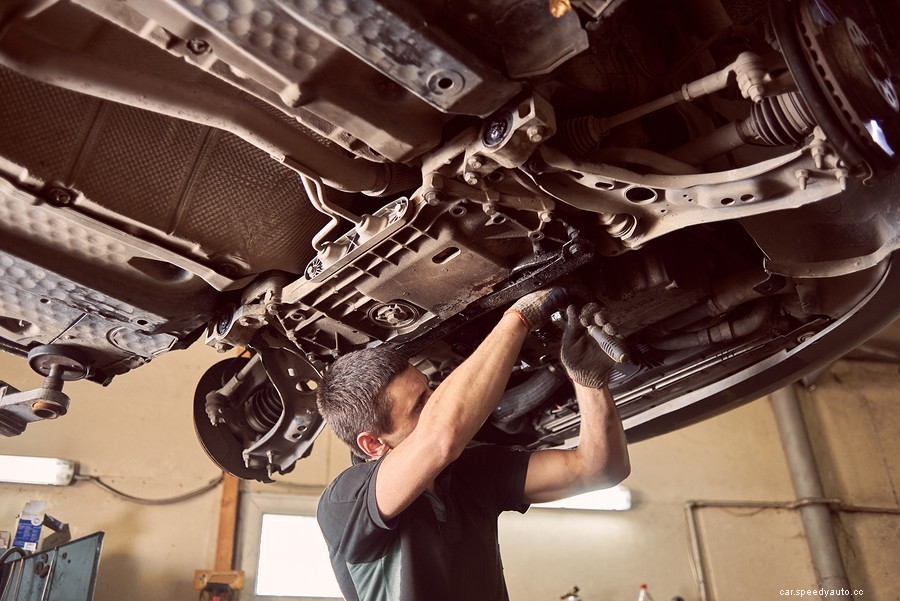
So what can go wrong? Just about anything, but these ten problems are the most common culprits:
This is a problem you should be aware of even if your automatic transmission doesn't have a dipstick — unless your car has an electronic gauge. If your gearbox is losing fluid, it's not going to transfer power properly. In some cases, it might even overheat.
Repair costs: $100 to $300.
If your car's fluid is dirty, it might not transfer power properly. If it's contaminated with water, you risk corrosion and rust damage to internal components.
Repair costs: $100 to $300.
A clutch is a crucial part of an automatic transmission that disengages the engine from the wheels (and vice versa) when you aren't accelerating. If your gearbox has a worn-out one, it might slip — that means there's no longer enough clamping force to hold the various gears together inside your transmission.
In older transmissions, this can be caused by a lack of lubrication and wear and tear over time. In addition, a slipping clutch will increase strain on highly-stressed components in a transmission system, so if a clutch gives out entirely, your gears will probably strip, and you'll need a new gearbox.
Repair costs: $1,500 to $2,000.
It's easy for water in your cooling system to drip into your automatic transmission and contaminate the fluid with rust-inducing minerals such as magnesium and calcium. If enough water gets in there, it can corrode components.
Repair costs: $700 to $1,000.
Transmissions use electrical circuits to control different functions (like shifting up and down). These include solenoids (axles that move in and out of place) and sensors (electronic devices that measure how much power is flowing from the engine to the wheels at any given moment).
Repair costs: $1,000 to $2,500.
A torque converter plays a crucial role in automatic transmissions. It's a hydraulic pump that multiplies engine power — it sends out more energy than the engine puts in.
If your car's torque converter malfunctions, you'll notice right away because it will make grinding or growling noises as the transmission tries to force extra power into the system.
Repair costs: $700 to $1,200.
The fluid in an automatic transmission has rust inhibitors and special additives designed for heat resistance. But if enough coolant mixes with this fluid, it starts to lose its effectiveness.
Repair costs: $200 to $400.
The transmission's clutch and the hydraulic pump that transfers power from the engine are vulnerable when your automatic transmission fluid is low. If you don't have enough fluid there, they can overheat and become damaged.
Repair costs: $1,000 to $2,500.
If a part of the car's electrical system isn't directly linked to what happens in your automatic transmission, it won't do its job properly.
The most common example is a broken vacuum hose. This means an engine-driven component won't respond when it should.
Repair costs: $200 to $400 (for each hose).
#10 Worn out and out of calibration solenoids and sensors
Sensors and solenoids help the automatic transmission's computer determine what gear your car is in at any given moment, whether the engine needs more power or too much power, how hot the fluid is (to prevent overheating), etc.
If these components wear out before their time — which can happen if you don't change your transmission fluid frequently enough — they'll start reporting incorrect data to the computer, which will then instruct other parts of your car to behave incorrectly.
Repair costs: $1,000 $2,500 for each faulty solenoid or sensor.
Since transmission problems can cost a lot of money to fix, you'll want to do everything possible to avoid them.
Change your automatic transmission's fluid every 30,000 miles or earlier if the car is infrequent stop-and-go city traffic with lots of short trips. If you use your car for towing or hauling heavy loads, change the fluid even more often.
Basic automotive maintenance. A car can't run without a properly charged battery, so make sure yours is always in good working order.
Regularly maintaining your car's parts is the best way to avoid expensive repairs down the road.
Change your automatic transmission‘s fluid every 30,000 miles or earlier if the car is infrequent stop-and-go city traffic with lots of short trips. If you use your car for towing or hauling heavy loads, change the fluid even more often.
If your car starts making odd noises or if you notice its shifting isn't as smooth as it used to be, bring it in for a comprehensive check — even if there are no warning lights on the dashboard.
Most car manufacturers recommend getting your automatic transmission fluid changed every 30,000 miles or earlier if the car is infrequent stop-and-go city traffic with lots of short trips to avoid serious transmission problems down the road.
If your car is in great shape otherwise, it might not make sense to pay for transmission repair. However, if you want to keep your car for many more years, fixing the problem right away is the only way to avoid even bigger problems later.
There are some factors to consider before spending any money fixing major transmission problems:
Replacing parts becomes more expensive as your car gets older — so if you want to keep your car for a long time, fixing relatively inexpensive problems right away may save you money in the long run. On the other hand, if your car is already 12 or 16 years old and has close to 200,000 miles on it, it may not make sense to fix relatively minor problems.
Suppose you paid $10,000 for your car several years ago and have put 100,000 miles on it since then; having the transmission fixed will probably be a smart thing to do. But, on the other hand, if you're driving a 15-year old car that's worth only $1,000-$2,500 bucks — and has close to 200,000 miles on it — fixing the problem may not be worthwhile. So it might make more sense to get rid of the car instead.
Keep in mind that if you have a high mileage car, to begin with, and your transmission is going out, you might have other problems too.
While most transmission problems are common to all types of cars, some brands and models have a reputation for having more transmission issues.
For example:
Some late-model Lexus vehicles have been known to have automatic transmissions fail in only 30,000 miles. In addition, it's been reported that Buick Rainier SUVs from 2004 have had similar issues when the vehicle has over 50,000 miles on it. Mercedes-Benz is another car company with a history of faulty transmissions — particularly on its sport utility and crossover vehicles like the M-Class (W163 model) and R-Class. Several owners across several models and years of these cars regularly complain about problems with their automatic transmissions – including premature wear, slipping, jerking, and sudden downshifting from overdrive into the lower gears.
In some cases, you can avoid costly transmission problems by following a few simple guidelines:
We'll take that vehicle off your hands, even if the transmission isn't working properly.
If you're tired of making expensive repairs on a car with faulty transmission problems, stop wasting your time and sell it to us — Cash Cars Buyer will give you cash for almost any make or model, even if the car's condition is less than perfect.
So instead of sinking more money into a car, you don't want, get rid of it before it ends up costing you more in repairs down the road! Sell Your Car Today Call Cash Cars Buyer at (773) 791-4363.
You can depend on our professionals to assess your vehicle carefully and offer an accurate quote for what it's worth. We pay up to $10,000 on most vehicles, regardless of condition or mileage — and you don't need to order an expensive inspection first.
So if your car is making odd noises, not shifting properly, or has other issues — stop wasting time fixing it yourself! Instead, at Cash Cars Buyer, we'll buy that vehicle off your hands right now for cash. And best of all, you won't have to pay any fees or commissions at our dealership.

If you're familiar with the ten most common causes of transmission problems, you can work to avoid them as much as possible.
Regular maintenance and timely repairs are your best bet in keeping your car running smoothly. However, if you do experience transmission problems, don't wait — bring your car in for a comprehensive checkup right away.
