
Now that the monsoon season has begun in India, we can expect to see a large number of puddles and flooded areas on the roads. Excess exposure to water can bring about extreme damage to your car and you should always be prepared before the monsoon hits. Floods are a common sight in India and if you are unlucky enough to have your car trapped in one, you will definitely need some help to get it out and back to its original state – or at least close to it. So, what to do if your car has flood damage? Hopefully, we can help you through this guide.
In the event that you find your car flooded or the engine refuses to start, there are three main steps you should take before you can do anything else.
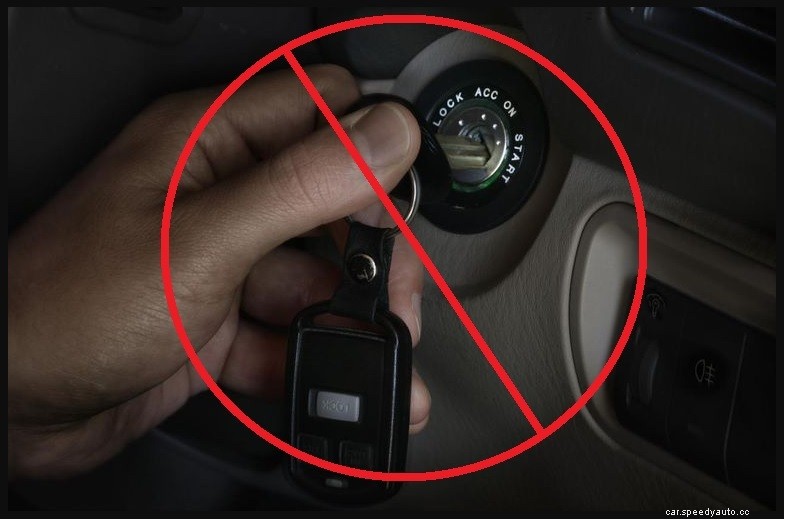
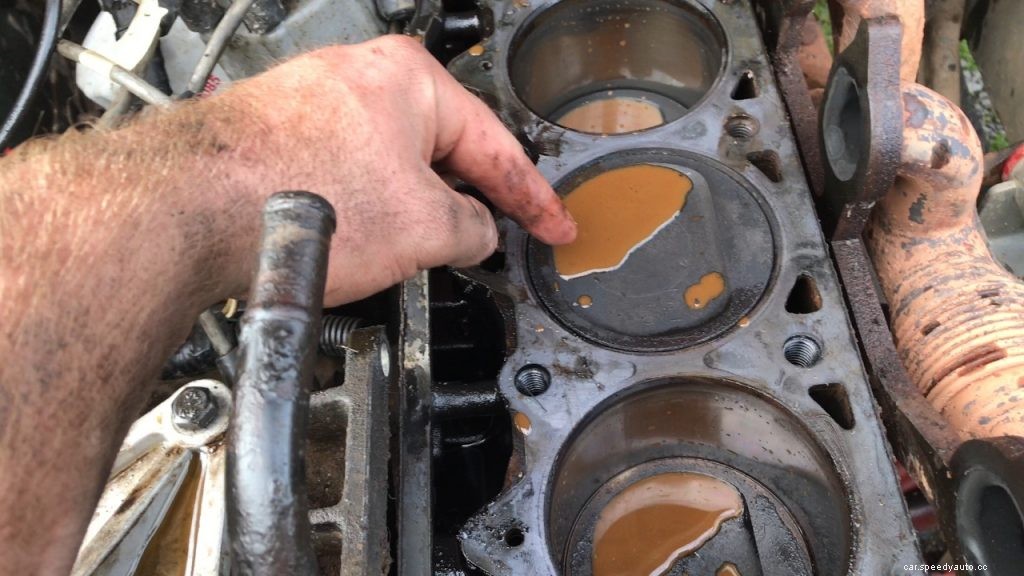
1. Don’t try to restart the car – This cannot be stressed anymore. Water can damage every single component inside a car including the engine and transmission. If you try to turn the engine on and more water enters, the problem can only get worse. When water damages the engine and the pistons don’t compress or move like they normally should, it is called “hydrolock” and it is extremely common in flooded cars. If your car is hydrolocked, you can expect the cost of repairs to be extremely high and in severe cases, the car could completely be destroyed.
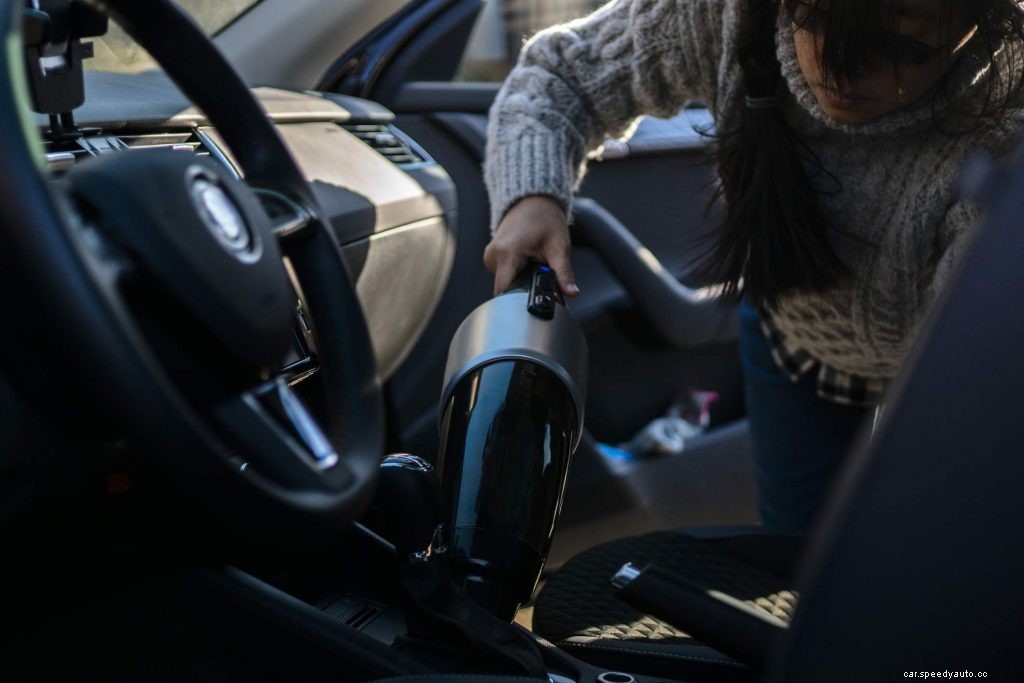
2. Remove the water quickly – The longer you let water sit in your car, the more damage it can cause. The wiring and mechanical components are the first things that can get damaged so you will have to work fast. If you find puddles of water in your car, you will have to get rid of them as soon as possible. If you have a wet/dry vacuum cleaner, you can remove the puddles quickly or you can use towels to soak up the water and remove it from the cabin. If you are using a vacuum cleaner, make sure it is not a regular one as you could get electrocuted in the process.
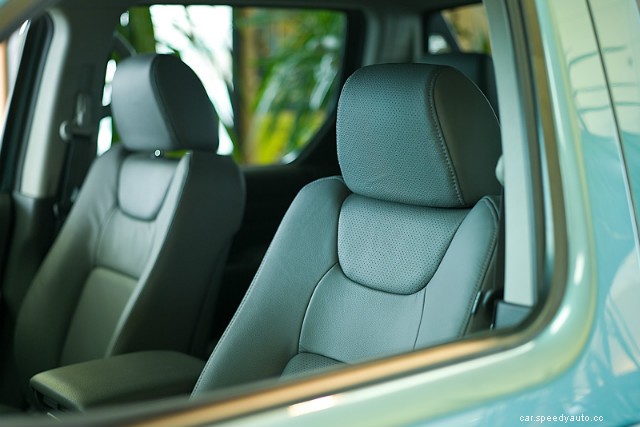
3. Ventilate the car – Once you have successfully remove the water build-up from the cabin and other places in the car, you will have to work just as fast to dry the affected areas. If there is enough sunlight near where your car is parked, simply roll down the windows, open all the doors, and let the heat from the sun work its magic. If there is not sufficient sunlight, you can park your car in an open space and use an electric table or standing fan to dry out the damp areas. A fan will also help remove any foul odours and keep mould and mildew away. If your car was not severely flooded but the cabin remained wet, you can use the heaters in your car to dry the interiors quickly – just make sure that the engine was not damaged.
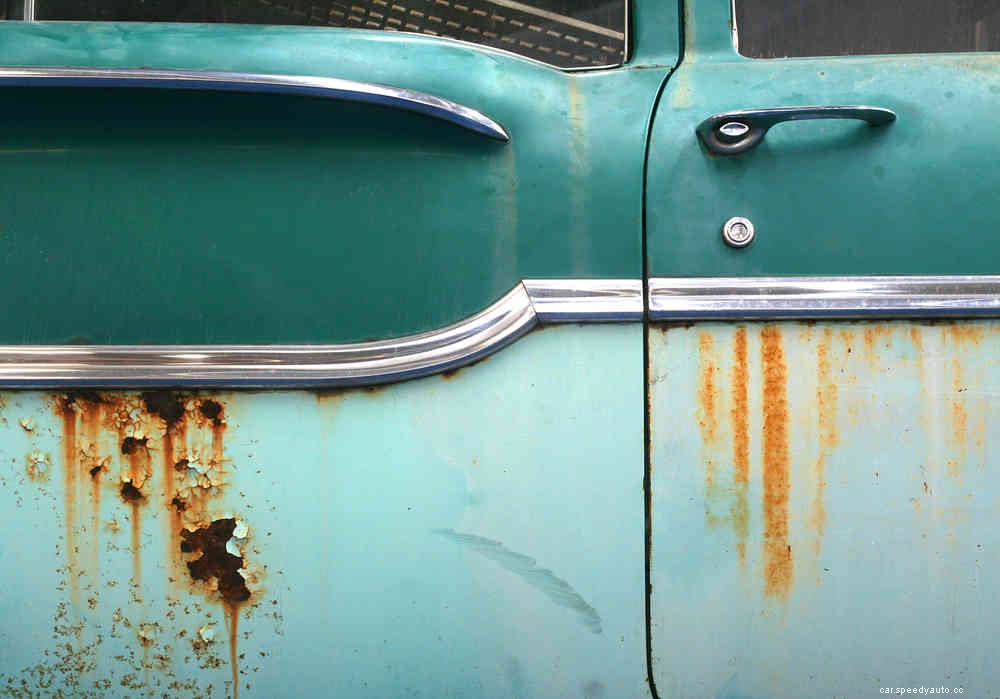
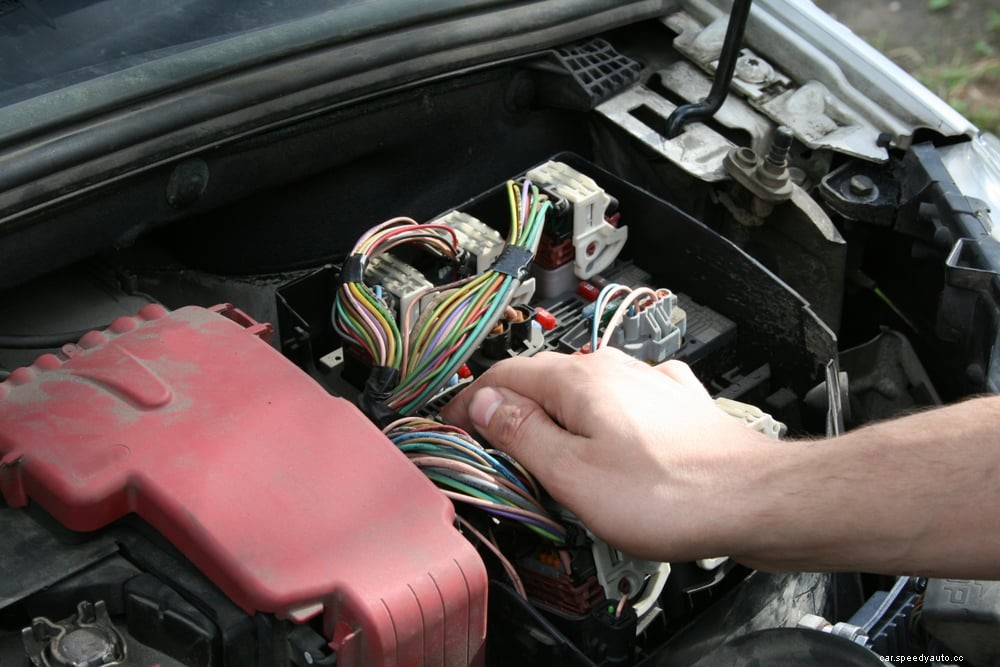
Soggy carpets and horrible odours are only the start of the problems you can face when dealing with a flooded car. Mechanically, a car can go through quite a lot, especially under the bonnet as well as inside the cabin. Some of the problems you can come across are listed below:
For any car owner preparing for the approaching monsoons, here is a step-by-step guide to help you deal with a flooded car.
Step 1: Avoid starting the car when it is flooded as the collected water could cause more and irreversible damage to the engine and other components.
Step 2: Once it is safe to do so, you should check out the damage caused to the car. You can do this by seeing if the water level was high enough to enter the car or stopped below the doors. In most cases, insurance companies consider water damage to the level of the dashboard as a totaled car and will not look for repair work to be done on it.
Step 4: As soon as the weather gets better, you have to get down to cleaning the car. Water damage can be extremely severe, especially to metal and electrical components. You should open all doors and windows to allow air to flow through the entire vehicle. This will stop mould and mildew from growing. You can use towels, mops, or dry/wet vacuum cleaners to get rid of the water inside the cabin. If you can, remove the seats and allow them to dry outside the car so that the cabin gets more ventilation.
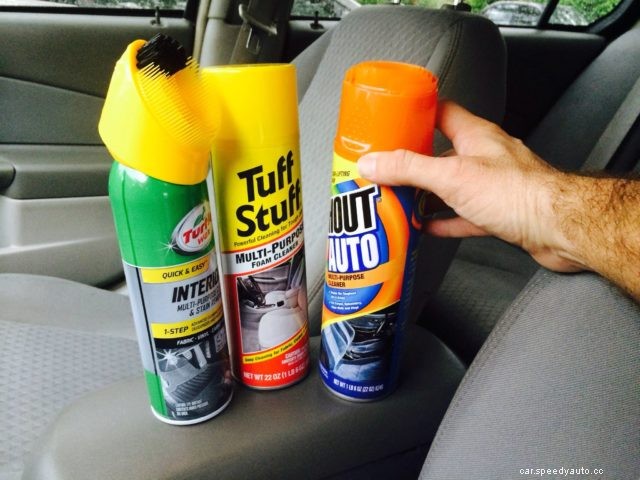
Step 5: More often than not, foul smells are accompanied with dampness. After cleaning your car, you will probably have to replace components such as the floor mats, carpets, upholstery, and maybe even the door panels as they all absorb water and could encourage growth of mildew and mould. If the components are not damaged badly, you should use baking soda to deodorize the car before putting everything back.
Step 6: After cleaning out the cabin, it’s time to move onto the most important part of the car – the engine. First, you need to check if water has entered the oil tank. Using the dipstick, check if there are droplets of water in the oil. If you do find some droplets, you should not start the car as this could break the cylinders inside the engine. The best thing you can do is have a professional mechanic have a look at the problem. In most cases, the fuel tank is emptied out and then the water is removed.
Step 7: Moving on to the rest of the car, you will have to check the electrical components to see if they are still working properly. Test the car’s headlights, taillights, power windows, turn signals, power locks, seats, lights in the cabin, air conditioning, infotainment system, and any other components that are connected by wire. You should also test the brakes, clutch, steering, and coolant reservoirs. If any of these components or parts are not working properly, you should get a mechanic to take a closer look at the vehicle.
Step 8: Once your car is checked out by a mechanic, you will have to start working on the insurance. An agent from the company will take a close look at your car and evaluate whether it should be repaired or replaced. If the cost of repairing the vehicle exceeds its worth, the insurance company will most likely consider it as a totaled car. The insurance agent will take your insurance claim along with photographic proof of the damage to the company for further evaluation.
Step 9: If you feel that the repair costs for your flood-damaged car is more than what a new car would cost, you have to move forward with choosing a new one. If you are opting for a used or second-hand car, there are a number of things you have to consider before you can actually make the purchase. Ask the previous owner or dealership for the history report of the vehicle so that you know all the important information such as previous owners, repairs, and odometer readings. This will also tell you if the car has been in any accidents or have been damaged by fire or floods previously. Finally, you should also get a mechanic to check out the car to ensure that it is good enough to take home.
Step 10: If you are buying a new car, the process doesn’t get any easier. The first thing you have to figure out is your budget. Next, you have to decide on the type of car you want (hatchback, SUV, sedan, etc.). Then, you have to choose the brand you want and see whether they have the colour option you want. With new cars, you have to choose from a number of different variations as well so it’s best to do a lot of research before you can actually settle on one car. Also, always have options ready in case you don’t get the car you want at the price you’re willing to pay.
If you ever find yourself in a situation where your car is damaged by floods, you have to work fast and efficiently to get it cleaned. Since water travels quickly and gets soaked up into practically anything inside the car, you have to dig deep and ensure that every trace of moisture is removed or dried out before you can get back on the road. Here are some helpful tips to clean a water-damaged car:
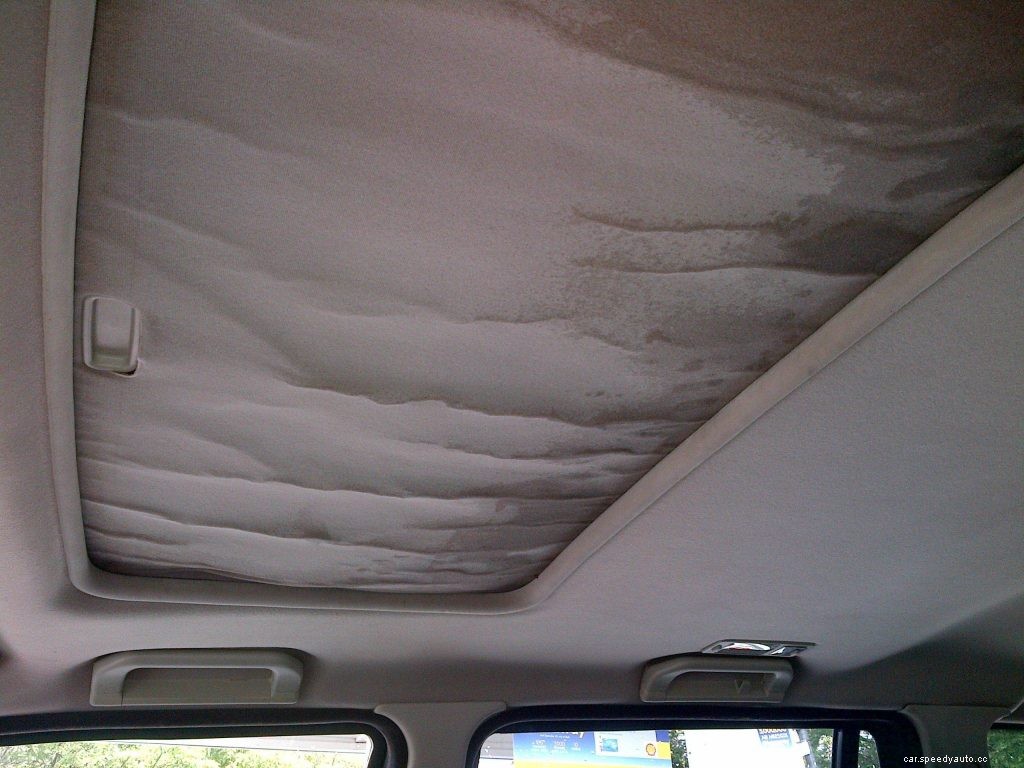
Although a car is designed to keep water out successfully, with time, the weather stripping found along windows and doors can get damaged. This results in leaks that allow rain water into the car and cause damp spots everywhere. If you hear or see evidence of a leak in your car, make sure to find the source of the problem and get it fixed immediately. Even if the leak is small and only allows a drop or two into the cabin, it can build into a larger leak and cause damage to the upholstery, panels, carpets, and electronic components. If the weather stripping in your car has started leaking, you should either replace it with new stripping or clean it with car shampoo regularly.
As we have already mentioned earlier, flooding can be a major problem for car owners and the repairs afterward are even more of a headache. So, if you have a car plagued by flooding or if you know of anyone who is going through it right now, here is a vehicle flood damage checklist you should also have prepared.
This is a step-by-step guide along with some helpful tips to get you through a flooded car and the problems that come along with it. So, next time you think about driving through a puddle or decide to leave your car outside in the rain, you might want to take a second to consider the consequences that follow. Now that the monsoons are almost upon us, you might require a quick guide to help you stay away from such a problematic situation and this is one of the best there are.
