
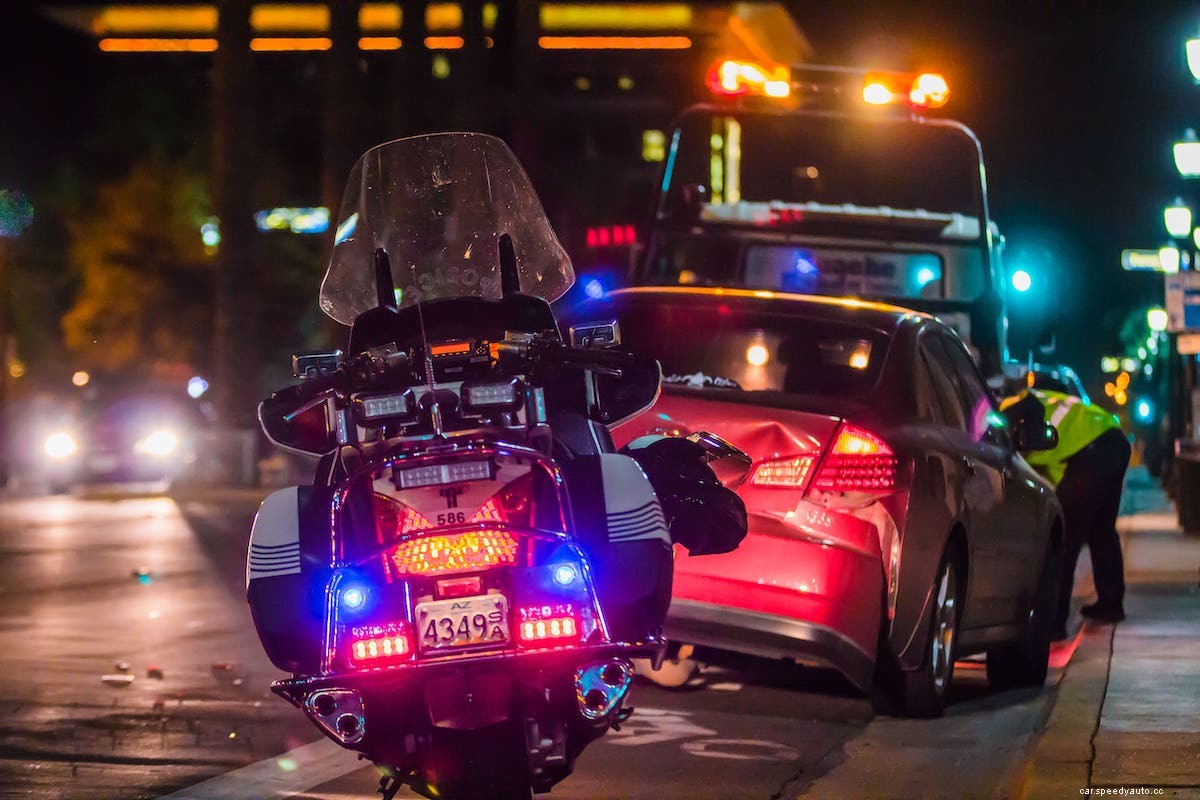
Hopefully, you never get into a car accident. But if you do, it’s important you know exactly what steps you should take at the scene and in the days following the crash. It’s common to feel a little shaken up and forget to take all the necessary actions. Being prepared and knowing what to do and when can protect you legally, medically, and financially.
Learn what you should do immediately after an accident and check out our 8-step timeline from the crash all the way until you bring your car in for repair.
Knowing what steps to follow after an accident is essential, but hopefully, you’ll never even have to use them! Clearly, we all want to avoid car accidents. At best, they’re a hassle and a cause of stress. At worst, they’re deadly.
While there’s no sure-fire way to eliminate the risk of an accident, there are some basic guidelines to follow as a driver and car owner that can go a long way to help limit the risk. Here are a few to live by:
Following these tips and consistently driving courteously and carefully will significantly lower your chances of being in an at-fault accident.
If you’re involved in a car accident, whether you’re at fault or not, there are certain things you should always do to protect yourself and your interests. Here are the steps you should take immediately following a crash:
Never drive away from an accident. Even in the event of a small accident or fender bender, if your car made contact with someone else’s, it’s your responsibility to stop. If you’re not too hurt or shaken up to move, check yourself for injuries and make sure any other passengers in your car are alright. If anyone is hurt, immediately contact emergency services or ask a bystander to call.
Move to a sidewalk or a safe place on the side of the road. If your car is causing a hazard in the road and it’s safe to do so, try to move it out of the way. If not, you may be able to prevent further accidents from occurring by setting up flares or keeping your car’s hazard lights on.
Even if no serious injuries have resulted from the crash, it’s a good idea to call the police. If officers are able to respond, they will document the scene and fill out an accident report. If not, you can fill out a report yourself at the nearest police station. In some cases, you need a police report in order to file a claim with your insurance company — even if it’s just a claim for damages to your vehicle.
When the police arrive on the scene or when you file a report at the station, make sure you tell the investigating officers exactly what happened, when, and how to the best of your knowledge.
Here are some things to remember when speaking to police after an accident:
If police respond to the scene, they’ll take photos of the accident and any damage to the involved vehicles. If not, you should take photos of the damage yourself.
In most cases, the investigating officer(s) will gather essential information from all persons involved in an accident. If so, make sure you ask for the names and badge numbers of all officers and ask them where you will be able to find a copy of the accident report.
If the police don’t respond to the scene, it’s your responsibility to gather the relevant information. Here’s what you should make sure you obtain from any and all involved parties (drivers, passengers, and any witnesses):
If you’re severely injured or have minor injuries you’re aware of at the time of the accident, you should receive medical attention immediately. Sometimes, individuals injured in car accidents don’t become aware of their injuries or resulting pain until hours after the crash. This is because there are often a lot of emotions, distractions, and nerves in the moments following an accident. If you experience any pain or discomfort or notice injuries after an accident, seek medical attention.
It’s a good idea to call your insurance agent from the scene of the accident. This allows them to tell you exactly what they will need from you in order to file a claim. They can also prepare you for what to expect during the claims process.
Regardless of who’s at fault, it’s important to contact your insurance company to report any accident resulting in injuries or property damage. It’s a common misconception that you only need to call your insurance company if you caused the accident. Often, there are several coverages on your insurance policy you may want to use; in order to use any of them, you’ll need to notify your insurance provider.
In most states, including Oregon and Washington, insurance companies cannot legally advise you to choose a specific repair shop or mechanic. That said, some insurers may provide a list of preferred mechanics, and some lenders may require you to pick a repair shop on their list if you’re making payments on your car.
In most cases, however, you can choose where you’d like to get your car repaired. Not all repair shops are created equal. Especially when you’ve just been through a stressful accident and claims process, it’s essential that you go to a good, reliable, and trustworthy shop that can get the job done.
Related: Do I Have to Use the Body Shop My Insurance Recommends?
Here’s are some important services we recommend you look for in a repair shop, after an accident and in general:
Getting into a car accident is a difficult experience, and the days and weeks following the accident can be equally stressful. Mackin’s Auto Body has been the PNW’s most trusted auto body collision repair provider for over 75 years. Local and family-owned since 1945, you can count us to return your car to you with the highest level of quality and service. We work with all insurance companies to handle claims.
Visit one of our 9 locations in the Portland/SW Washington area, get in touch online, or call us at 1-800-653-0665.
