

Have you ever had your car overheat in the middle of stop-and-go traffic or as it’s climbing a steep hill? Have you wondered what happens to your car when it overheats? It’s not really something that happens too often to modern vehicles, fortunately, but it does still happen frequently enough to be worth considering. Especially as the last hot days of summer are still raging on, it is a risk that should always be kept in mind.
So, what happens to a car when it overheats and what do you need to know about it? Let’s go over the basics.
There are a lot of possible reasons why a car might overheat but it’s not something that’ll generally happen to a well-maintained vehicle that’s in top condition. Unless you decide to drive it into some extreme conditions or situations, of course.
While this means that you’ll need to take care every single component of your car’s inner workings is in an excellent condition, the upside is that you can almost guarantee there will be no overheating problems with your car if you maintain it well enough.
Here are the main reasons why your engine and your car might overheat so that you know what you should look out for:
This liquid coolant, also called antifreeze, has a very low freezing point and an absurdly high boiling point, allowing it to hold heat. IT circulates around pipes in your engine and cools it off. If and when your antifreeze has run low, it’s normal for your engine to start overheating and it can’t be cooled down.
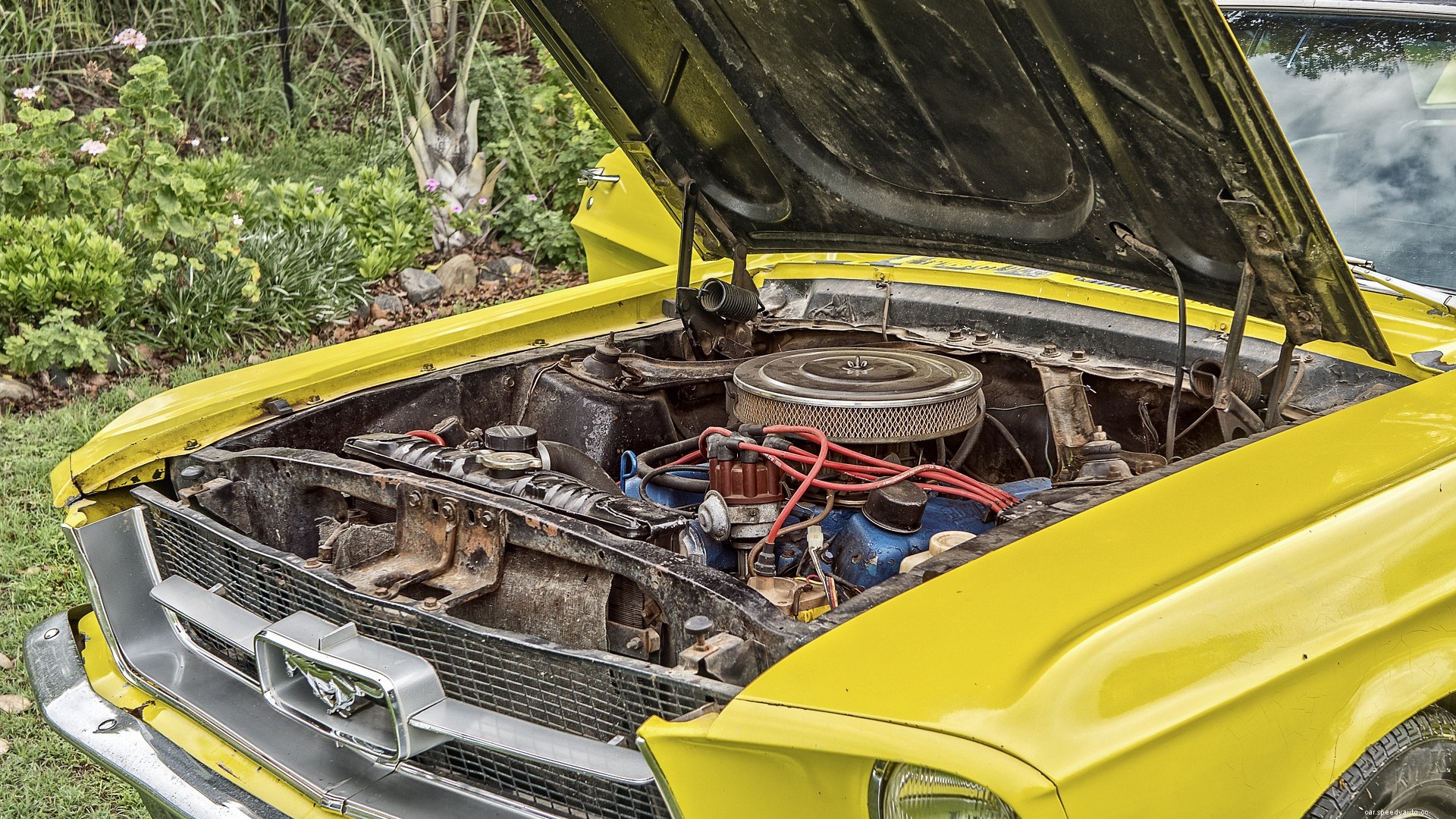 There are a number of problems that can befall your engine as soon as it starts overheating. Some are mild and have quick and cheap fixes, while others can be pretty major and require 4-digit sums in repairs. Here are some of the problems that can quickly follow from an overheating engine:
These are the three major problems that can come from an overheating engine and all of them can be extremely costly to repair not to mention dangerous if you’re still moving as they happen. To avoid them you should not only make sure your car is always in an optimal condition but you should also act very quickly when you notice your vehicle is overheating.
Other, more manageable and minor problems that can happen to your engine are a water pump breakage, a coolant pipe leak, a blown thermostat, and so on – these are the things that usually lead to the overheating in the first place, and they are cheaper to fix.
One of the key things to remember is that as soon as you realize your car is overheating you should take immediate action. Trying to drive an overheating vehicle even “just a little bit more” can quickly escalate the problem from a minor to a major one. Here’s what you need to do as soon as you realize something’s wrong:
Now that we know what can cause your engine to overheat, avoiding it altogether should be relatively easy. Especially when driving in hot weather, over long periods of time, and/or in a constant stop-and-go traffic, can be very hampering for any vehicle, so:
