
Modern cars are getting a lot more advanced, and nowadays, you can’t even replace your brake pads on your own vehicle without a computer.
This is at least what we are hearing from our customers. But is it true? Has it really got to the point where you need a computer to replace your rear brake pads?
In this article, you will find out how you can replace your parking brake with or without a tool.
In this guide, you will learn how to replace the brake pads if your car has an electric parking brake. This may need some special tools to procedure depending on your car model. Follow these steps to easily replace your brake pads with an electric parking brake:
Total Time: 1 hour
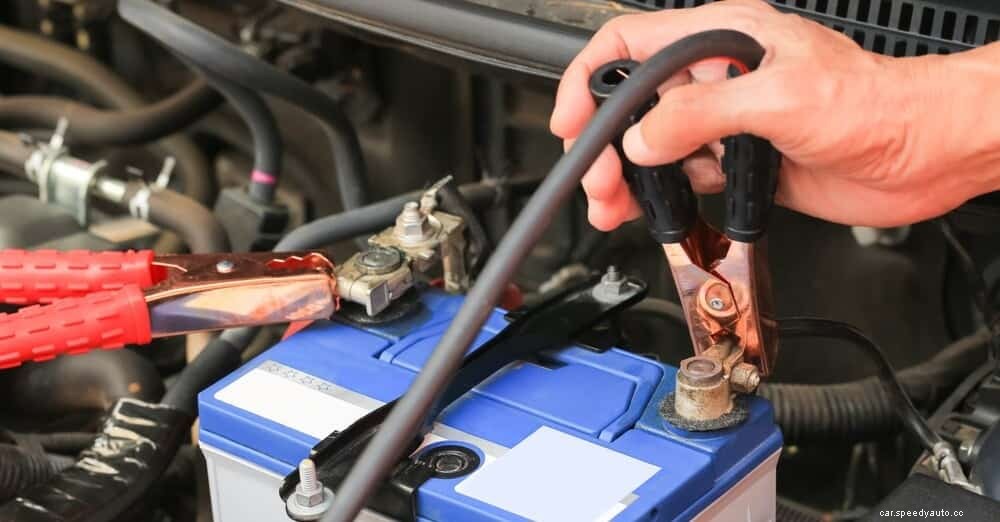
The first step is to connect a car battery charger while you do this job. This is a step that many people forget or do not care about, but it can actually damage parts and cause many problems if you do not take it seriously.
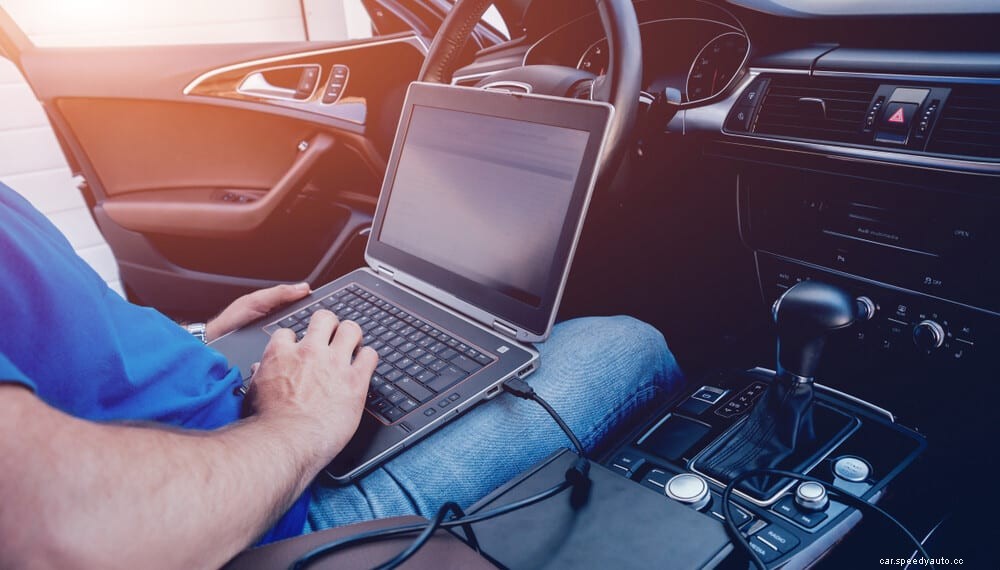
The next step is to connect your diagnostic tool or parking brake tool to your car. Make sure it got communication with the car and that the battery voltage is stable.
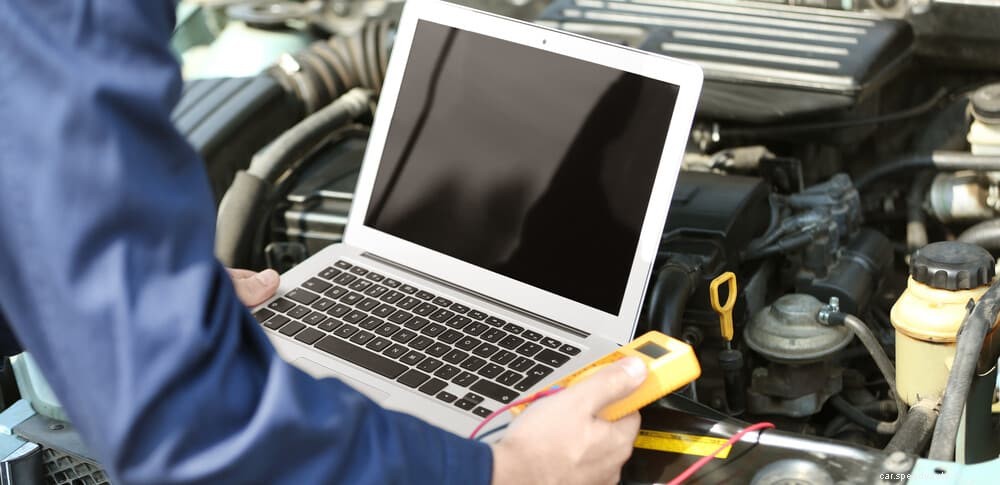
Now it is time to release the parking brake pistons. You can either do this with a diagnostic scanner or a special tool for your parking brake. You should hear the pistons are going back for 2-3 seconds if everything is done right.
It is also possible to push back the pistons with 12v+ power and ground, but nothing we will talk about here cause it can damage your parts. You also need to do a calibration afterward, which is difficult without a tool.
If you need a tool for this, you can check out our guide best diagnostic tools. Make sure it is compatible with your EPB system for your car model.
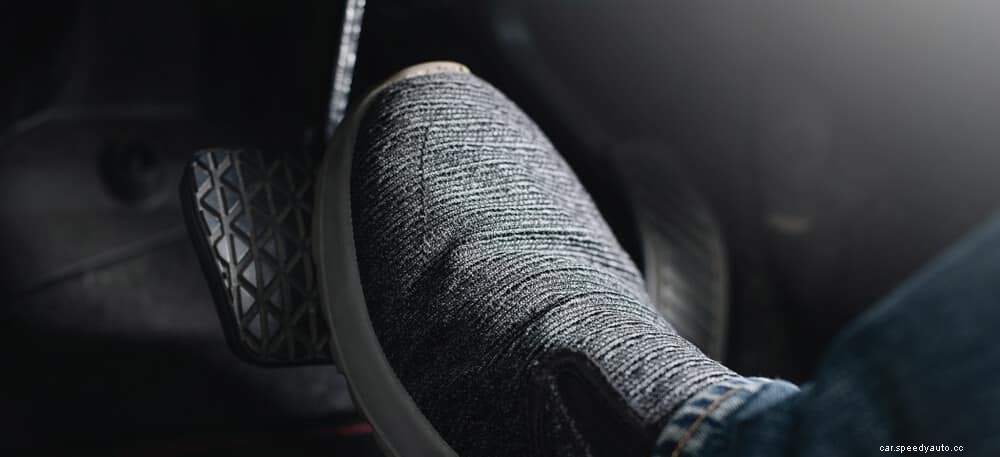
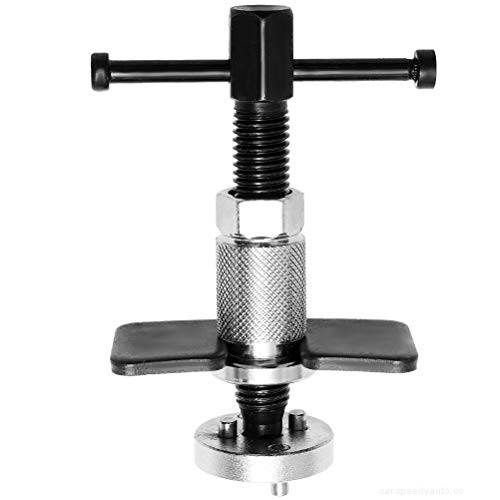
After the parking brake pistons are released, it is time to raise the car, remove your wheel and the brake caliper. You should now be able to push back the pistons with a tool or a big plier. If it is not possible, it might be very rusty and may need a renovation – or you did something wrong with the step before. If the parking brake motor is not released, you will never be able to push the pistons in. Remember that some pistons you have to twist them meanwhile you push them for them to come in.
For this, you may need a tool like this from Amazon:
 333 Reviews
Somtton Brake Caliper Piston Rewind Tool -...
333 Reviews
Somtton Brake Caliper Piston Rewind Tool -...
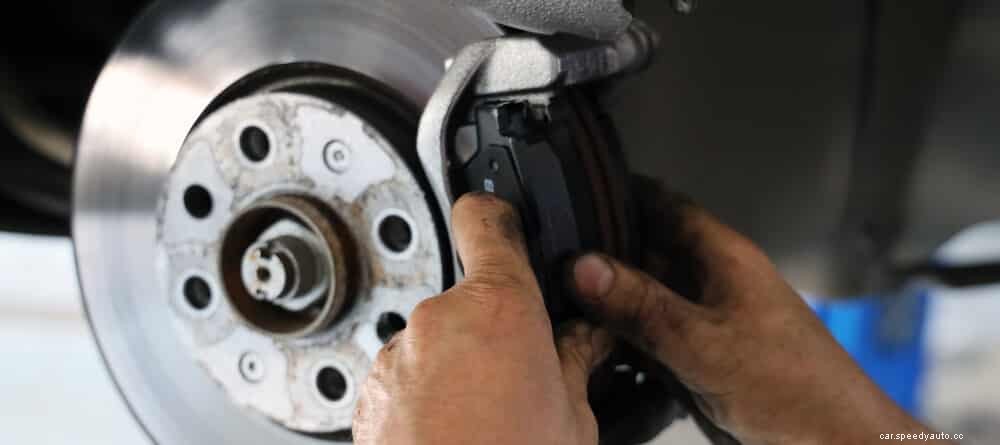
Once your pistons are pushed in, you can now replace the brake pads. Ensure you lubricate any moving parts and clean everything not to get stuck, so you have to redo the job soon. Replace any metal plates if you got them in the brake pads package.
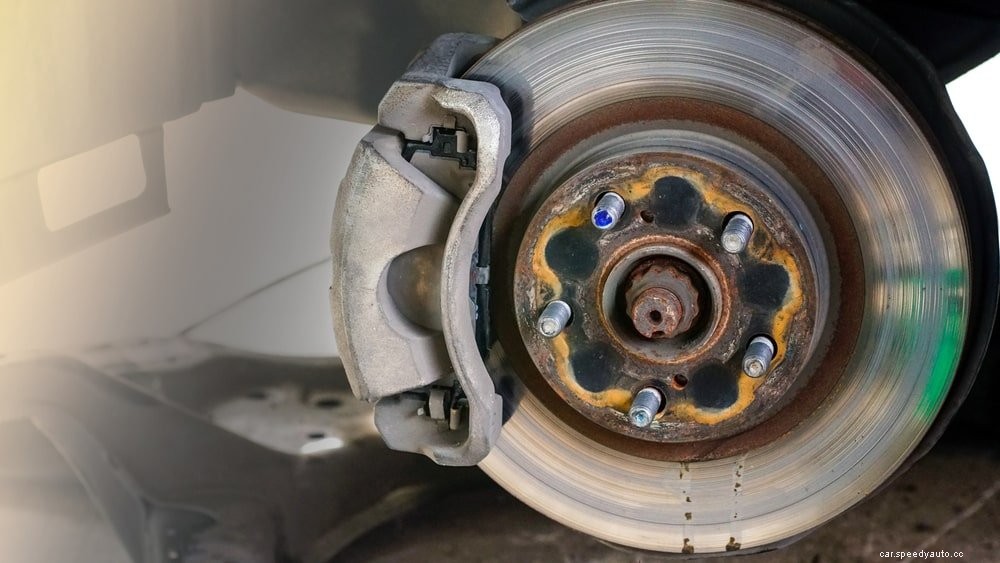
Once you cleaned everything and installed the new brake pads, reinstall the brake caliper. Make sure that you tighten everything correctly after the manufacturer’s specifications. You should also install the wheels again and lower the car.
Once the car is standing on the ground, and everything is put back together, jump into the car and push the brake pedal several times until it gets hard. Please do not push it all the way into the bottom, though! This may damage the sealings in the brake cylinder. Pump several times instead.
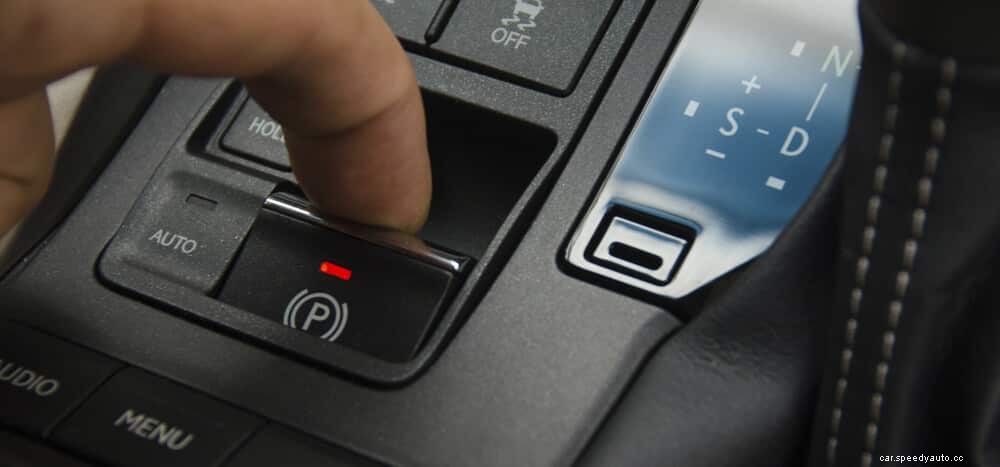
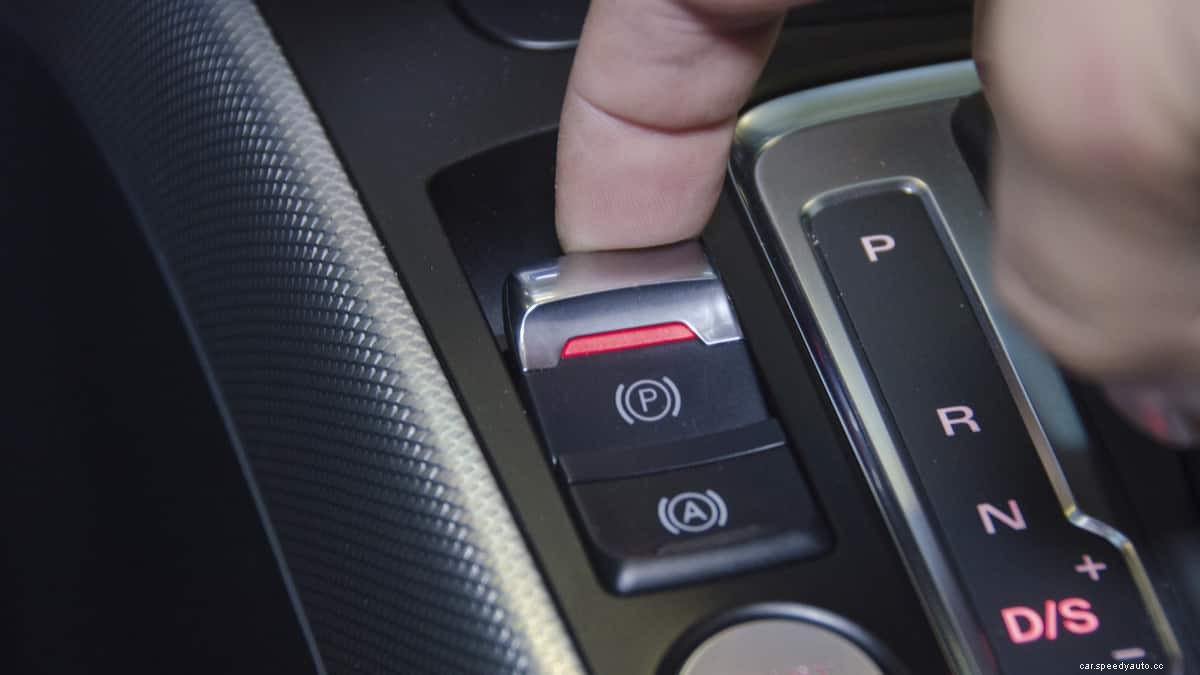
Once the brake pedal feels stiff, it is now to move back the brake pistons. The best way to do this is to use the diagnostic tool or parking brake tool to do. However, in many cars, it will work to engage the parking brake with the button. You will hear the parking brake motors sound for 2-3 seconds until the parking brake is engaged. When it is engaged, you can rerelease it.
For the parking brake to function properly, you may need to calibrate the pistons. This is done with your diagnostic tool or the parking brake tool. This is necessary for most car models to learn how much it should engage and release. Once you do this, you will hear the pistons move several times backward and forward until the calibration is done.
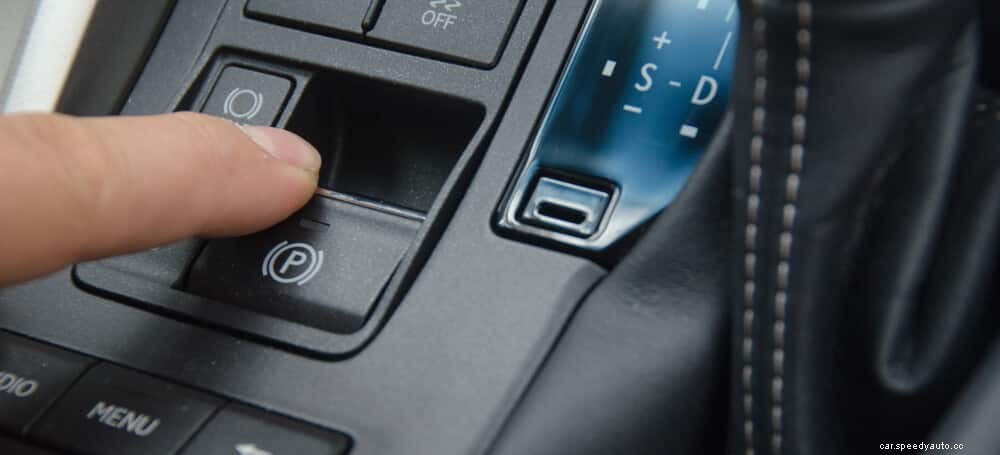
Once you have a successful calibration, it is now time to test the parking brake function. Try several times to engage and disengage it. Take your car for a drive and make sure the brakes are not getting hot. If everything seems fine, you made a successful parking brake pad change!
Estimated Cost: 100 USD
Tools:
Materials: Brake Pads
