
 1
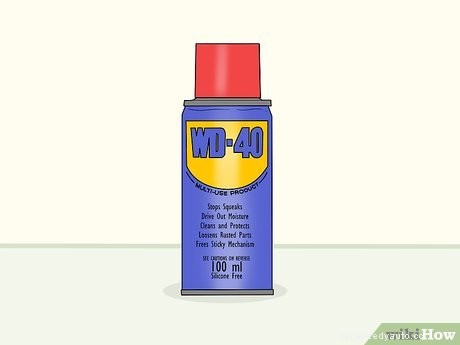
Use a penetrating catalyst or WD-40 to try lubricating jammed car locks. A penetrating catalyst is a type of lubricant that will also break up rust and grime that may be jamming the lock. WD-40 is an all-purpose lubricant that will also clean off the parts inside the lock and protect them against future corrosion and grime.
1
Use a penetrating catalyst or WD-40 to try lubricating jammed car locks. A penetrating catalyst is a type of lubricant that will also break up rust and grime that may be jamming the lock. WD-40 is an all-purpose lubricant that will also clean off the parts inside the lock and protect them against future corrosion and grime.
Tip: If you can’t insert your key all the way into the keyhole, or if it is difficult to do so, this is a good indication that the lock may be jammed by rust or dirt. In this case, lubricating the lock through the keyhole can fix the problem and help prevent it from happening again in the future.
 2
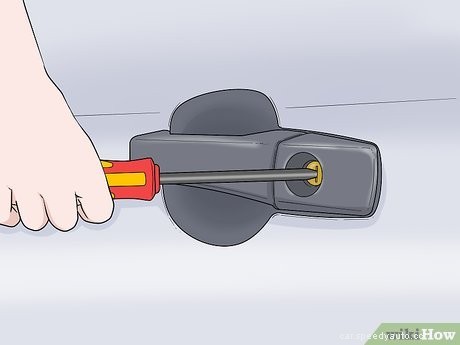
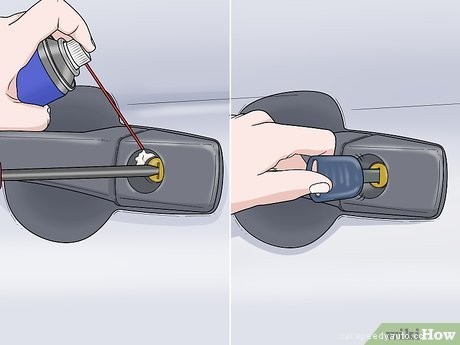
Poke the tip of a flathead screwdriver into the keyhole to open it up. Place the tip of the screwdriver against the moveable metal piece that covers up the keyhole when there’s no key in it. Push the screwdriver in until this metal piece moves all the way out of the way so you can get lubricant into the keyhole.
2
Poke the tip of a flathead screwdriver into the keyhole to open it up. Place the tip of the screwdriver against the moveable metal piece that covers up the keyhole when there’s no key in it. Push the screwdriver in until this metal piece moves all the way out of the way so you can get lubricant into the keyhole.
 3
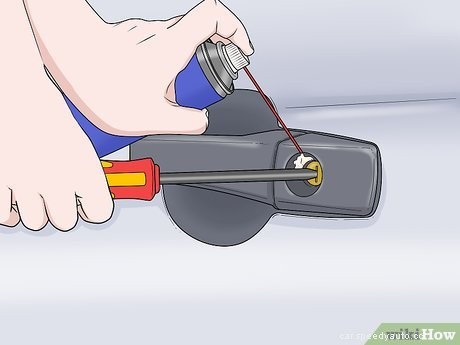
Spray your lubricant directly into the keyhole. Hold the can with the nozzle as close to the keyhole as possible. Press the cap down 4-5 times to spray a generous amount of lubricant into the keyhole.
3
Spray your lubricant directly into the keyhole. Hold the can with the nozzle as close to the keyhole as possible. Press the cap down 4-5 times to spray a generous amount of lubricant into the keyhole.
 4
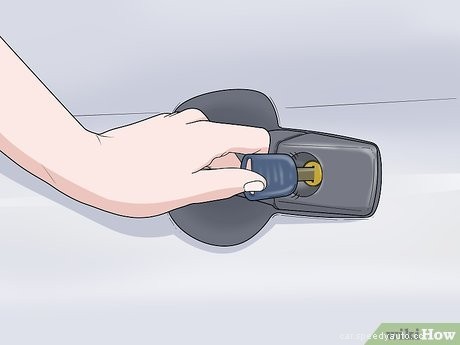
Stick the car key in the keyhole and wiggle it around to loosen the lock. Remove the tip of your flathead screwdriver from the keyhole and stick your car key in. Wiggle the key back and forth to loosen up the tumblers inside the lock, then try turning the key to unlock it.
4
Stick the car key in the keyhole and wiggle it around to loosen the lock. Remove the tip of your flathead screwdriver from the keyhole and stick your car key in. Wiggle the key back and forth to loosen up the tumblers inside the lock, then try turning the key to unlock it.
 5
Repeat the process if the lock is still jammed. Remove your key from the lock and poke the tip of your flathead screwdriver in it. Spray 4-5 more squirts of lubricant into the lock, then try unlocking it with your key again.
5
Repeat the process if the lock is still jammed. Remove your key from the lock and poke the tip of your flathead screwdriver in it. Spray 4-5 more squirts of lubricant into the lock, then try unlocking it with your key again.
 1
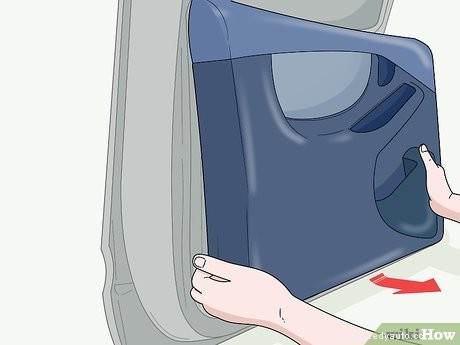
Remove the interior door handle or the entire door panel to access the lock. Use a Phillips-head screwdriver to remove the screw that holds the door handle plate in place and pry the plate off the door, if your car door has a removable interior handle. Take out all the screws and plastic clips that hold the door panel in place and pull the panel off the door, if you cannot remove just the door handle.
1
Remove the interior door handle or the entire door panel to access the lock. Use a Phillips-head screwdriver to remove the screw that holds the door handle plate in place and pry the plate off the door, if your car door has a removable interior handle. Take out all the screws and plastic clips that hold the door panel in place and pull the panel off the door, if you cannot remove just the door handle.
 2
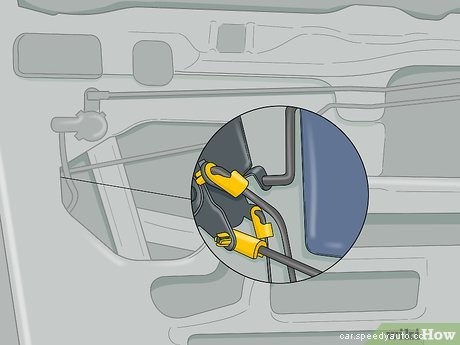
Locate the door lock mechanism directly underneath the door lock. Look for some type of metal plate attached to a rod right underneath the exposed door lock that moves up and down. This is the mechanism you will attempt to move to unjam your car lock.
2
Locate the door lock mechanism directly underneath the door lock. Look for some type of metal plate attached to a rod right underneath the exposed door lock that moves up and down. This is the mechanism you will attempt to move to unjam your car lock.
 3
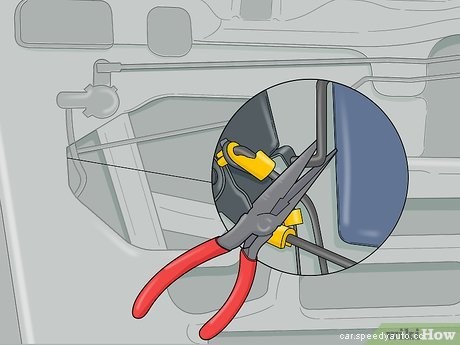
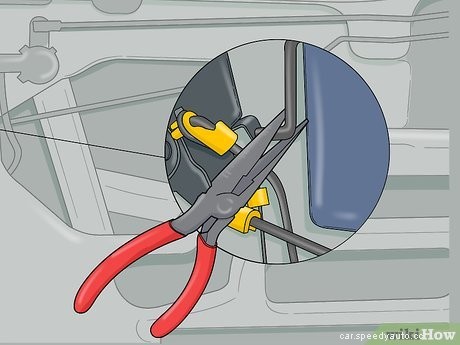
Grip the door mechanism’s rod with a pair of needle-nose pliers. Open up a pair of needle-nose pliers and grab the metal rod that attaches to the metal plate of the locking mechanism. This is the lever that moves the lock up and down.
3
Grip the door mechanism’s rod with a pair of needle-nose pliers. Open up a pair of needle-nose pliers and grab the metal rod that attaches to the metal plate of the locking mechanism. This is the lever that moves the lock up and down.
 4
Move the rod up and down using the pliers to unjam the lock. Hold your pliers tightly and try to wiggle the locking mechanism’s rod up and down. Push it up to unlock the door and down to lock the door. Keep moving the rod up and down until the lock goes smoothly between locked and unlocked.
4
Move the rod up and down using the pliers to unjam the lock. Hold your pliers tightly and try to wiggle the locking mechanism’s rod up and down. Push it up to unlock the door and down to lock the door. Keep moving the rod up and down until the lock goes smoothly between locked and unlocked.
 5
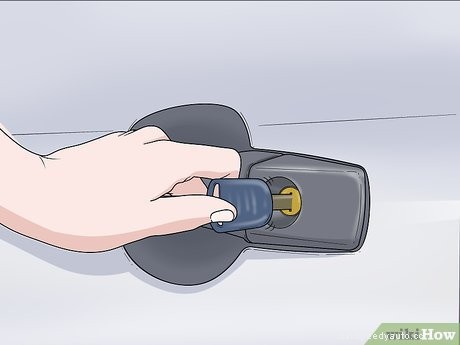
Test the lock out with your key and any electronic buttons. Stick your car key into the lock’s keyhole and try locking and unlocking the door a few times. Try using your car’s or key fob’s unlock and lock buttons, if you have an electronic locking mechanism in your car.
5
Test the lock out with your key and any electronic buttons. Stick your car key into the lock’s keyhole and try locking and unlocking the door a few times. Try using your car’s or key fob’s unlock and lock buttons, if you have an electronic locking mechanism in your car.
Tip: If your physical key works fine, but you can’t unlock the lock using your electronic key fob or a button inside the car, you probably have an electronics problem. Take your car to a mechanic to get this checked out and fixed.
 6
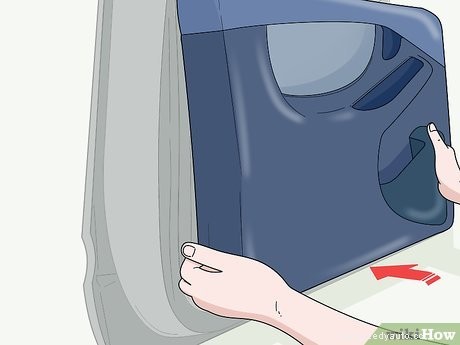
Replace the interior door handle or door panel. Snap the panel or handle back into place. Put all the screws back in and tighten them using your Phillips-head screwdriver.
6
Replace the interior door handle or door panel. Snap the panel or handle back into place. Put all the screws back in and tighten them using your Phillips-head screwdriver.
