
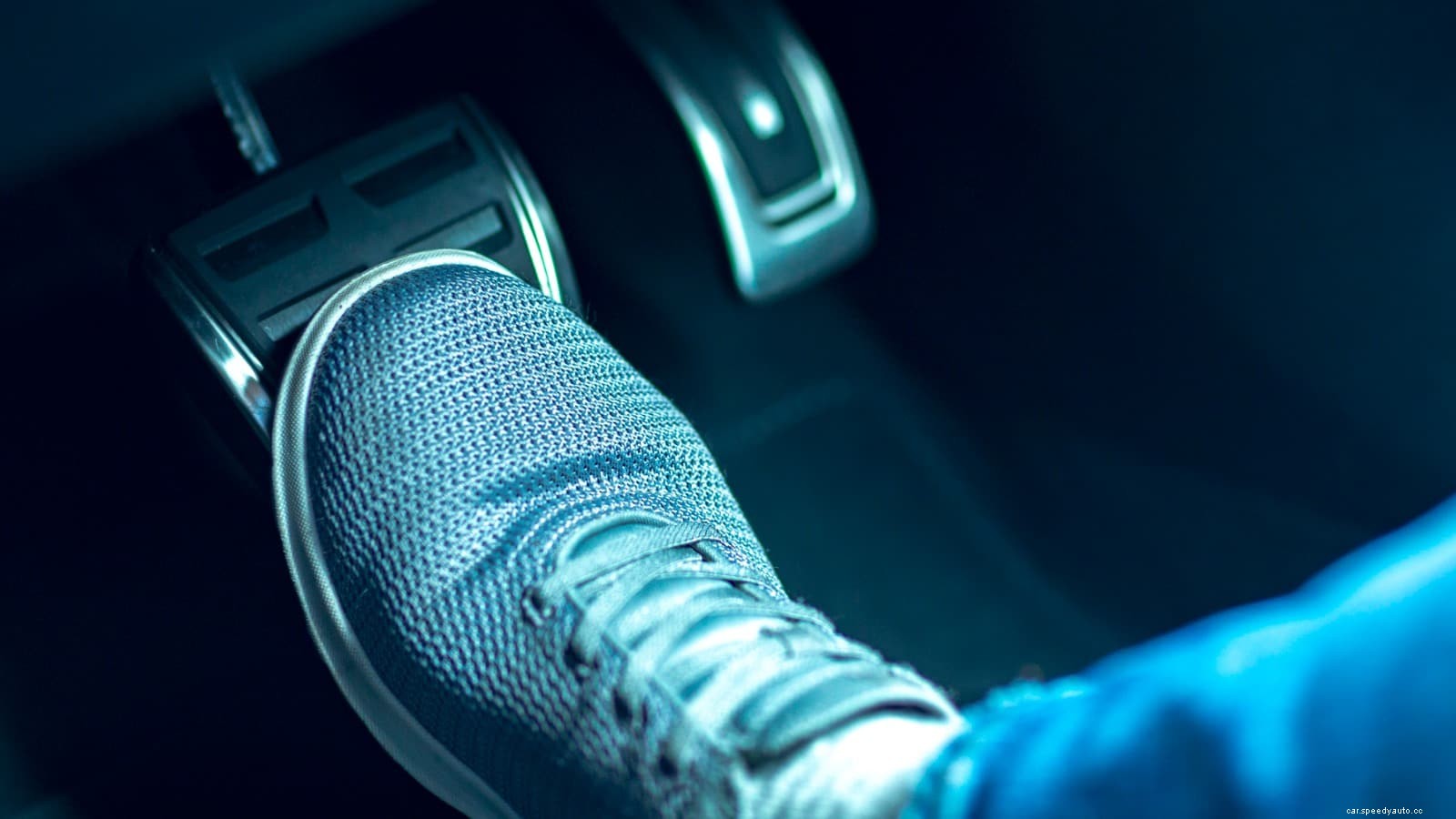
You don’t need to be an auto mechanic to know if a vehicle needs a brake job.
Your ears and nose will alert you to a problem. If you suspect you have any of the issues listed below, head to a professional for an inspection and brake repairs. Don’t put yourself and family at risk by ignoring these issues. One day your vehicle might be unable to stop. Also, brake job repair costs escalate if the early signals of a brake problem are ignored.
All vehicles have disc brakes for all four wheels, front discs, and rear drum brakes. If it’s a very old vehicle, drum brakes all around. Disc brakes use pads attached to a caliper, which in turn, press against the brake disk or rotor to stop the vehicle. Brake shoes are used with drum brakes. When the driver applies the brake, the system forces the brake shoes outward against the inside of the drum, slowing or stopping the vehicle
Vehicle owners always ask, how long do the brake pads or shoes last? There’s no simple answer. If all driving is primarily stop-and-go traffic in the city, the brake pads may need replacing after 25,000 miles.
If the vehicle is on the highway most of the time, 65,000 miles might be possible. Have a garage check the brakes to determine how many miles can safely be driven until a brake job is required.
Use these tips to find out if you need a brake job.
Grinding, clicking and squealing noises are signs of trouble. Most brake pads and shoes come with built-in “wear indicators” that emit a noticeable sound when the pad wears down to a dangerous level. A high-pitched squealing noise starts when brakes are applied and indicates the brake pads and shoes are worn out. Replace the pads and shoes as soon as possible before the rotors or drums are damaged.
Brake pads and shoes are held in place with clips, bolts or pins. If these fasteners loosen or break, a clicking sound may be heard when the brake pedal is pushed or released.
A grinding sound when the brakes are applied may be caused because a pad or brake shoe is worn through causing metal on metal contact. This creates damaging groves on a brake rotor or drum. Grinding also could indicate that a brake drum needs lubrication.
Some European automakers have a warning light that illuminates when brake pads need replacement. Some automakers use an instrument panel light that might say “Brake.” If illuminated immediately stop the vehicle in a safe place, pull out the owner’s manual and find the section on warning lights.
The brake light could be warning of a serious brake problem, the vehicle might be unsafe to drive.
A vibration when the brakes are applied or shaking in the steering wheel comes from an uneven rotor or uneven drum surface. Unusually high temperatures may have warped the rotor or the drum. Both also could have been damaged by a worn brake pad or become pitted with rust.
Both sides of the rotor need to be smooth and parallel which is accomplished with resurfacing. Drums are typically resurfaced. In extreme cases where warpage occurs, you might need replacement of the rotor or drum.
If a vehicle takes a longer distance to stop, there’s likely water in the brake lines, insufficient brake fluid caused by a leaky hose, or brake pads/drums that are worn out. Brake fluid is hygroscopic, meaning it attracts water.
If the water in the brake fluid boils due to hard braking, and it doesn’t take a lot of water for this to happen, the braking distance increases. Your brake pedal may also feel soft or spongy when pressed.
Color is important. Unscrew the cap for the brake fluid reservoir to determine the fluid’s color. “Healthy” brake fluid is nearly clear with a slight yellow tint. As the fluid ages, it picks up moisture and contaminants from the rubber brake line hoses, turning the fluid brown or black.
Failure to add or change the brake fluid regularly (check owner’s manual) damages the master cylinder, modulator assembly and other portions of the system. This results in increased stopping distance or brake failure.
Check the driveway or garage floor for liquid. After fixing the leak, the mechanic bleeds the system, meaning he will remove the old brake fluid and air that is in the brake lines. Then, new brake fluid is added.
Today’s choices are organic, semi-metallic and ceramic formulations. Organic is made of materials that do not pollute as the pads/shoes wear down. The disadvantage is that the pads/shoes do not last as long as ceramic and semi-metallic materials. The most common pad/shoe used by many automakers is semi-metallic.
The braking quality is not as responsive as ceramic pads/shoes. Ceramic meets or exceeds all original equipment standards for durability, stopping distance and noise. But, ceramic is the most expensive brake pad.
One cause may be brake caliper failure. A caliper applying most or all of the pressure during braking results in unbalanced stopping. If the vehicle has drum brakes, one shoe may not apply the proper stopping power to a wheel.
Other causes: foreign matter in the brake fluid; brake linings wearing unevenly and requiring adjustment, and worn suspension components, such as ball joints and tie rods.
Have a service technician immediately check the master cylinder, brake hoses and the brake fluid for moisture. The moisture causes inadequate pressure to force the brake pads to clamp hard to the rotors or press the shoes into the brake drums.
This increases the distance needed to slow or stop, or worse, results in complete brake failure
Inspect the brake booster if it takes greater effort to push the brake pedal to slow or stop the vehicle.
A strong odor after repeated hard braking, for example, traveling down a long mountain toad, is a signal the brakes are overheated. Pull over to the side of the road and allow the brakes to cool. Failure to stop can result in brake fluid boiling, which can cause brake failure. Smoke coming from a wheel suggests a stuck brake caliper making it unsafe to drive.
In conclusion, if the brakes don’t feel right or if you hear grinding, clicking and/or squealing noises, head to a reputable mechanic for an inspection and repairs.
See how much brake repair costs for your car by using Kelley Blue Book’s Service & Repair Pricing Guide and get connected with local auto shops in your area to make an appointment.
