As high schools and colleges reopen, the inevitable question arises, what’s a good car for my student? An old EV might just be the ticket for many reasons: they’re relatively inexpensive, the range is limited and maintenance costs are minimal. Also, they’re not particularly fast. So here’s what to look for when you’re back-to-school shopping for an EV.
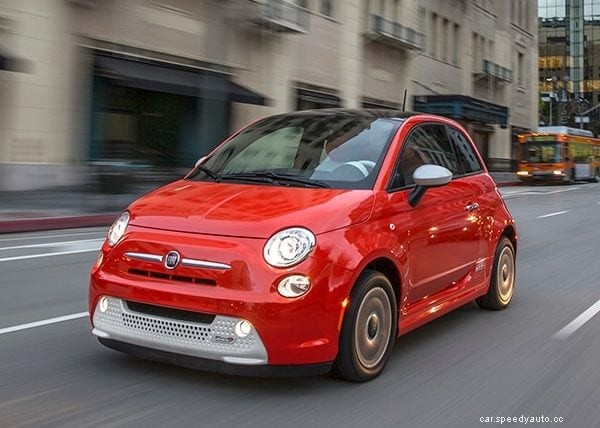
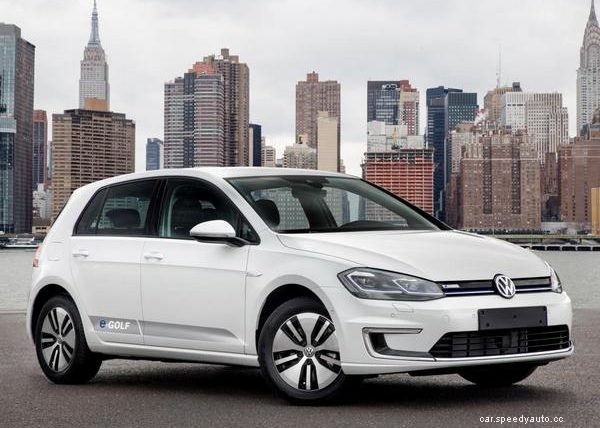
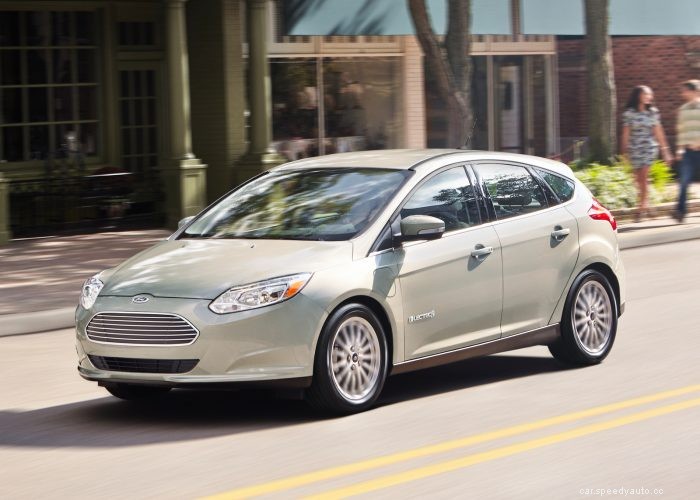
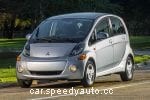
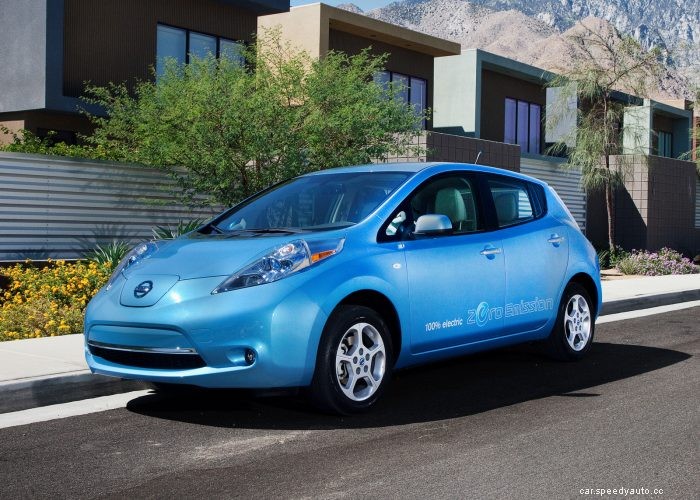
Scratch that new Tesla off your list. There’s really no need to give a teen driver Ludicrous mode. Instead, put on your list some of the early electrics, like the first-generation Nissan Leaf, Chevrolet Spark EV, Honda Fit EV, the Mitsubishi iMiev, Fiat 500e as well as slightly larger electrics like the VW eGolf and Ford Focus EV.
There are plenty of reasons to look for these particular models. Among them are the limited range (most deliver 80 to 100 miles on a charge), top speeds well under 100 mph, and low price of entry.
Most of the EVs with the smaller price tags will also be the models with the smallest footprint. Vehicles like the Mitsubishi iMiev and Fiat 500e are more like city cars. For 5- to 6-year old models, expect to pay between $5,000 and $7,000. Also in that price bracket is the slightly larger first-generation Nissan Leaf. Expect a range of about 80 miles (or less). The limited range also means that many of the vehicles haven’t racked up high mileage. Most will show 30,000 to 50,000 miles on the odometer.
If want a bit more car around your student, shop the larger VW eGolf and Focus EV. These compact hatchbacks are just like their gas-engine siblings in all things except the powertrain and performance. These 5-year-old more conventional-looking vehicles will retail for just over $10,000.
The inexpensive nature of used EVs doesn’t end at a low price. Electrics require far less maintenance and repair components. Tires will need to be swapped out every 60,000 miles or so. Really, other than tires, the friction brakes are the only wear-out component that needs replacing on an EV. There’s no engine oil to change, transmission fluids to be checked, or coolant that needs flushing.
Thanks to regenerative braking, the friction brakes are used so infrequently, they virtually never wear out. That said, the friction brake system hydraulic fluid should be periodically changed, too. But that’s probably once every 70,000 miles or more. Really, we’re looking at an essentially maintenance-free first car.
To begin with, these cars have extremely modest range ratings from the factory. The 2012 Leaf was rated at 81 miles. The 2014 Fiat 500e had 84 miles on its window sticker. And the EPA estimated the i-MiEV could only do 62 miles per charge — even when brand new. So, even fresh from the showroom floor, drivers couldn’t go very far. Years later, the story isn’t much better.
There’s no real hard-and-fast rule for calculating battery degradation. It all depends on battery chemistry (that changed from year to year on some models), climate the cars have lived in (extreme heat and cold can take a high toll on batteries), and how many miles the vehicle has traveled. Assume that perhaps any one of these cars have 50- to 75-percent (at best) of their original figures. And that’s when you drive really gingerly with a very light foot. Stomp on it, as a teen is want to do, and the range drops off precipitously.
Most parents don’t want their kids galavanting around the globe. The nature of this early generation of EVs will ensure they stick close to home. And, when they are home, they’ll need to be there for a while to recharge. Depending on whether you have a 120- or 240-volt charger at home, recharging any one of these EVs can take 8 to 24 hours.
Also, the limited range is an incentive to drive at or below the speed limit. Hammering it will immediately shoot their range in the foot and thereby also their social lives. The other side benefit is not having to arm your student with a gas card, which can be used for snacks and other gas station delicacies besides fuel.
It’s also worth mentioning that, at least in the case of the Leaf, it’s a pretty safe car. When it was new, the National Highway Traffic Safety Administration (NHTSA) gave it a 5-star crash rating. The i-MiEV got a 4-star rating from NHTSA in 2012.
The least tangible benefit of choosing an older EV for your teen’s first car is the most impactful — at least, in the long term.
If we get our young drivers used to the electric vehicle lifestyle, they won’t want to turn back to internal combustion (ICE) cars. Electric mobility will become second nature. They’ll know “I can’t drive like a bat out of hell. And I need to plan to recharge.”
It’s this mindset that is most important if we are going to shift to electrified transportation thereby limiting the carbon emissions associated with transportation. So, not only will you be saving money and keeping your kids safe and closer to home by getting them an EV, you’ll be encouraging a lifestyle that pays benefits in the years ahead.
More: KBB.com’s Best used cars