
In the lexicon of today’s driver-assistance technology, Lane-Keeping Assist (LKA) is a feature we hear about often. Also called Lane-Keep Assist, it is one of the building blocks in the foundation of fully autonomous cars.
Staying within the boundaries of a lane is a core capability of fully autonomous or driverless cars. Although streets full of self-driving cars are decades away, lane-keeping assist is a useful benefit of driverless technology.
According to a 2014 Insurance Institute for Highway Safety (IIHS) research report, 40% of fatal crashes involved drivers who erroneously strayed from their lane. Head-on collisions and sideswipes represent another 12% of deadly crashes. In all cases, LKA devices could have helped avoid each of these fatalities.
How is this happening? The three leading causes of lane-drift crashes are fatigue, distraction, and incapacitation. Incapacitation can be from illness, drugs, or alcohol.
RELATED ARTICLE: Car Safety Features 101: Everything You Need to Know
So, if you want to know everything about Lane-Keeping Assist, our guide has it covered:
Straddling the line between driver assistance and safety technologies, LKA keeps track of where a vehicle is within its lane. If you allow the car to stray too close to one of the lane markers on the highway, LKA gently steers the vehicle back toward the center.
Although you may find LKA somewhat intrusive, it functions with a minimum of interference. Some LKA systems produce an audible warning, allowing you to recenter the vehicle yourself before it influences the steering. In cars with haptic feedback, the warning may be a vibrating steering wheel or seat.
If you fail to respond to the warning, LKA will gently pull the vehicle toward the center of the lane. You can override LKA by simply resisting the automatic steering input. Once you produce some resistance, LKA disengages.
Forward-pointing cameras are the eyes of LKA. It monitors the lane markers (center and side stripes) of the lane you are traveling. The system is programmed to react when the vehicle drifts too close to lane markers.
Depending on the system, once your car strays beyond a defined distance from one of the lane markers, LKA springs into action. That action may first be a warning, then a steering correction or some other driving input will occur.
In the case of steering takeover, LKA controls the vehicle through its electronic steering system. In other cars, LKA uses the vehicle’s antilock brake system. When you apply brake pressure to a particular wheel, it pulls the car back toward the center of the lane.
Whether it’s the electronic-steering system or the antilock-braking system providing the steering input, neither can override driver input. In other words, if you resist the LKA steering input, it disengages.
To avoid action from the LKA when intentionally changing lanes, using the appropriate turn signal will cause LKA to stand down.
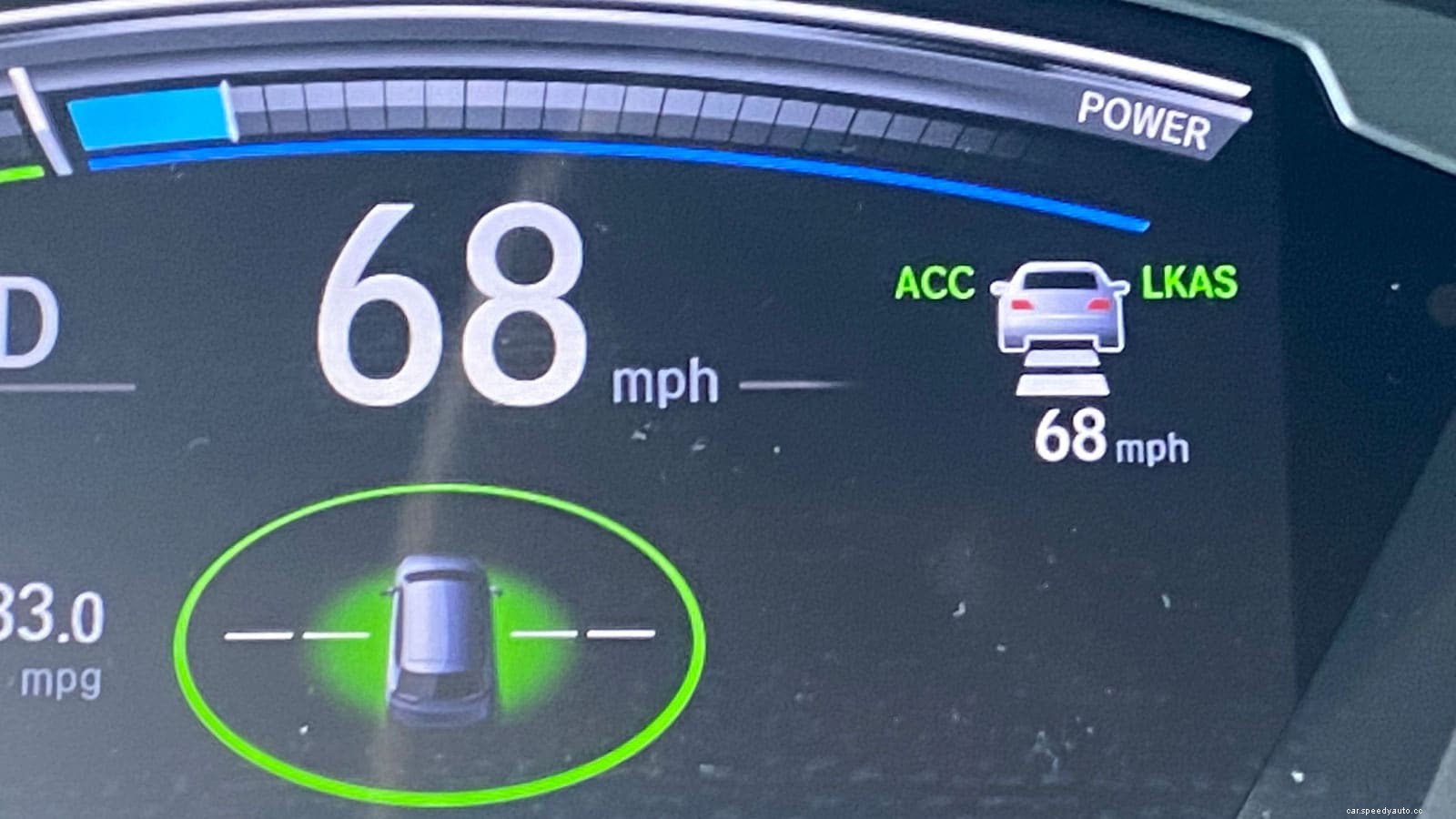
Several interactive driver-assistance systems can be at play simultaneously. Some of them serve similar driver-assistance or safety roles to LKA. They may function alongside LKA, or they may stand on their own.
Lane-Departure Warning (LDW) – LDW uses a front-mounted camera to monitor the vehicle’s location between the lane markers (center and side stripes). When it sees the car is veering close to the lane markers on either side, it issues a warning, signaling you to steer back into your lane.
Lane-Keep Assist (LKA) – This is simply a variation of the name lane-keeping assist.
Road-Departure Assist (RDA) – This is another name variation for LKA.
Lane Centering Assist (LCA) – LCA is a more advanced form of LKA. It takes a more active role in keeping your vehicle centered in its lane. It also uses a forward-pointed camera to monitor lane boundaries. Very often, LCA uses some form of steering assist when steering around curves.
According to Consumer Reports, customer satisfaction is highest with the LKA systems in:
As for the least satisfying brands, Consumer Reports results include:
For the most part, carmakers refer to their LKA systems as lane-keeping or lane-keep assist. Here is the list of automakers that market their LKA system under another name.
Audi: Audi Active Lane Assist
BMW: Active Lane Keeping Assistant
Chrysler/Jeep/Ram/Dodge: LaneSense
Toyota: Lane-Departure Alert with Steering Assist
Volkswagen: Lane Assist
Volvo: Lane Keeping Aid
As with many of the latest driver aids, LKA is relatively seamless in its operation. You turn it on, and the system takes care of the rest. However, there are a few things about LKA you need to keep in mind.
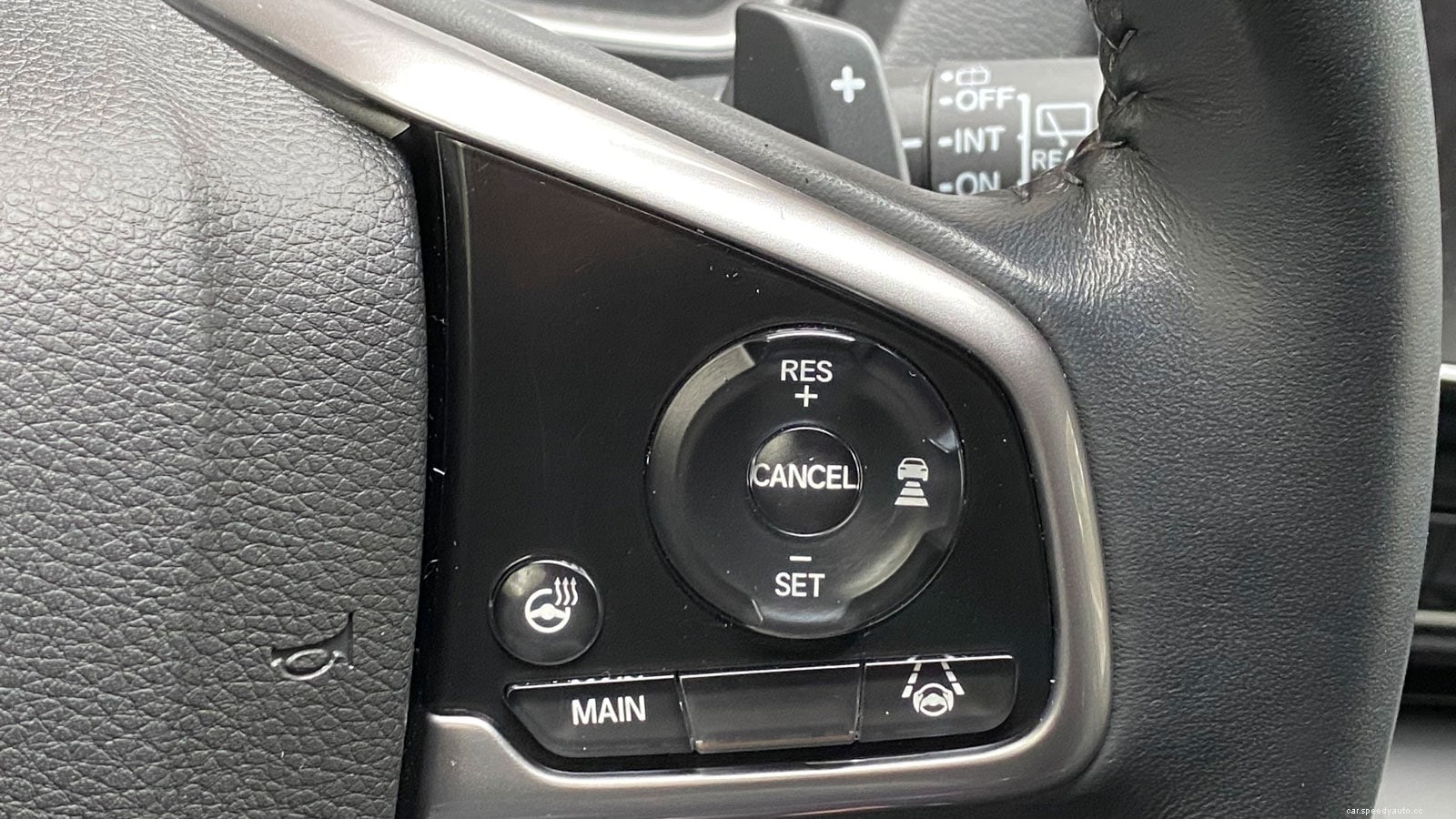
Most vehicles equipped with LKA provide an on/off button on the steering wheel, instrument panel, or center console. You should quickly identify it by the image of a car between two parallel lines appearing on the button’s face.
Locating and pushing that button will engage the system. Typically, a green backlit image of a car between two parallel lines should illuminate somewhere on your instrument cluster display to confirm the system is operating.
Once engaged, the system should function effectively, notifying you when drifting toward a lane marking. It will nudge you back to the center of the lane if you don’t react to the audible warning.
You can override the system at any time simply by applying a bit of resistance to the system’s steering input.
You can disengage the system at any time by pushing the button again, turning it off.
