
Night vision is a technology that helps you see more clearly in dark lighting conditions, which can work in different ways. Image enhancement technology uses all available light and the lower portion of the infrared spectrum to transform a dark image into a brighter picture. Thermal imaging technology taps into the upper portion of the infrared spectrum to capture heat beams coming off warm subjects.
Night vision in a vehicle works by using one of these techniques to make the scene ahead clearer after the sun goes down. Many drivers struggle to see well after dark, and night vision is a way to amplify the view of the road. The night vision image may be displayed in the dashboard display, on the infotainment screen, or as a projection on the windshield.
Passive night vision in a car uses thermal imaging technology to light up nearby objects, animals, and people. This distinguishes warm objects from the road, which maintains a lower temperature. The enhanced scene ahead is great for helping you see other people and vehicles more clearly as you drive.
This type of technology may have trouble showing inanimate objects that emit the same lower levels of heat as the road and environment. Additionally, passive systems don’t work as well in warmer climates. If the road and surrounding objects are too hot, the cameras can fail to depict the scene accurately. BMW, Cadillac, Volkswagen, and Audi use passive night vision systems.
Active night vision in a vehicle uses image enhancement technology to project a brighter, well-lit scene. These systems rely on infrared lights in the vehicle’s body to help highlight the path as you drive. They display a higher quality image than ones that use passive night vision technology and can brighten objects farther in the distance.
The drawback is they don’t work well in extreme weather conditions, such as hailstorms or blizzards. For example, it can be difficult for these systems to distinguish the lighter color of the snow from the rest of your surroundings. Toyota, Lexus, and Mercedes-Benz use active night vision systems.
RELATED STORIES: The Safest New Cars of 2022
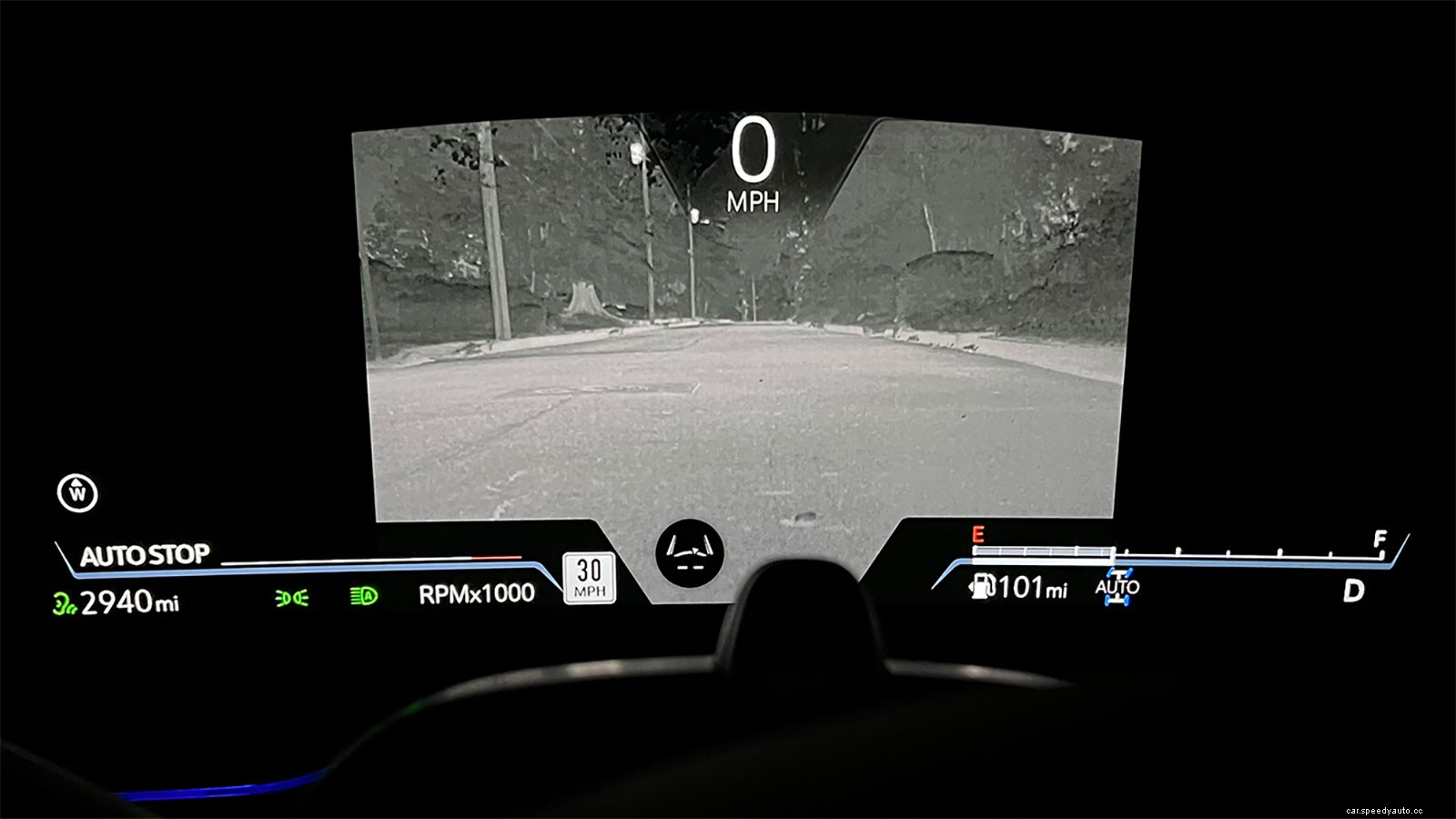 Some cars have night vision technology built into their front cameras. Mercedes-Benz offers Night View Assist, which uses the native camera to project an image onto the speedometer screen, and is currently available on all models with Intelligent Drive. Toyota and Lexus may also feature Night View for their models. Night vision systems are available in other luxury vehicles from makers including BMW, Bentley, Cadillac, Maybach, and more.
If these systems aren’t built into your vehicle, you can use an external night vision camera from a secondary manufacturer. Most are designed for a universal fit and can connect to a wide range of cars. Lanmodo currently has options starting at $369. Other aftermarket options range from as low as $99 to over $1,000, depending on the size, specs, and features, with most relatively easy to self-install.
RELATED STORIES: Head-up Display: Why You Need It in Your Next Car
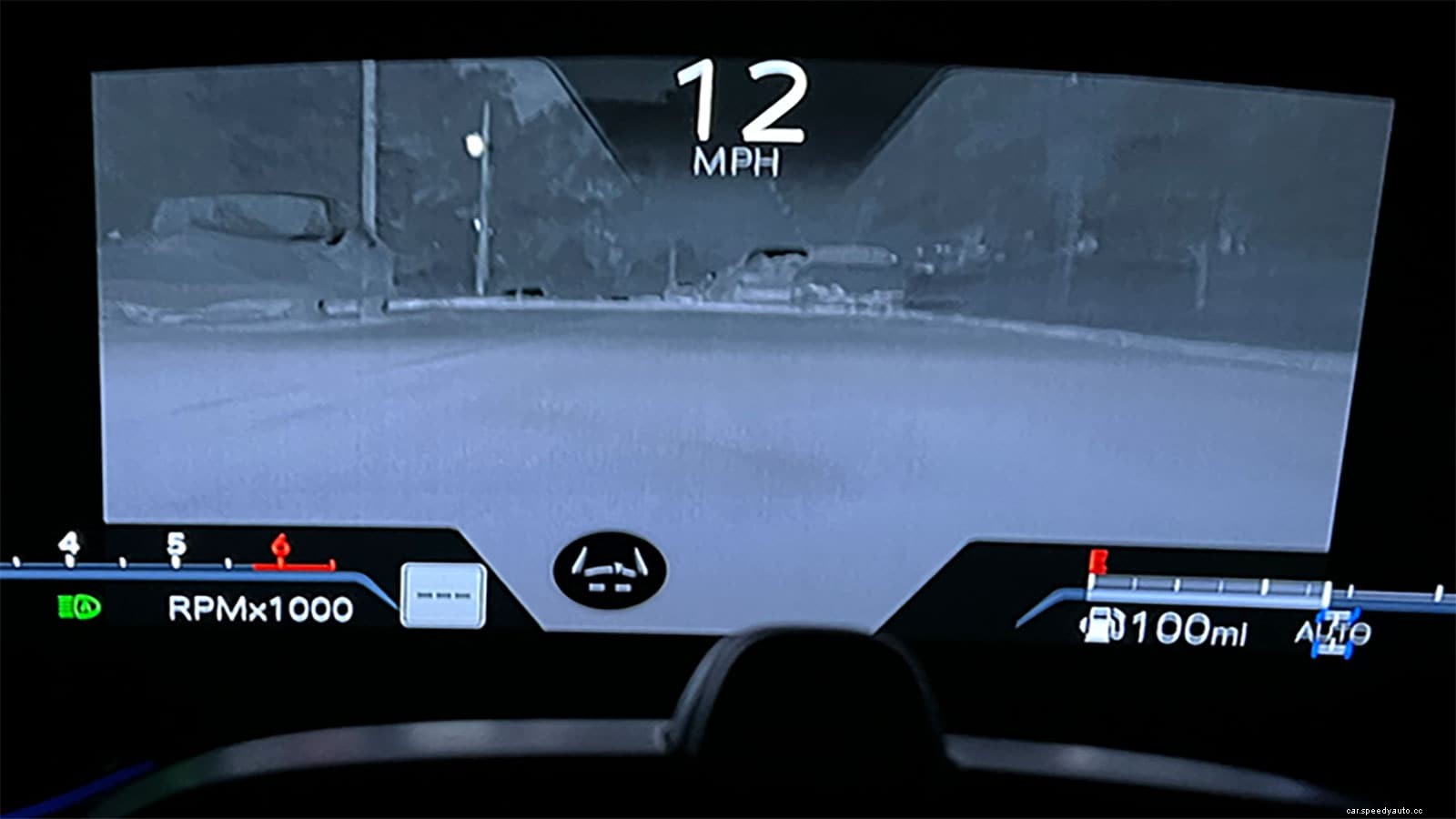 If you routinely have trouble seeing the road clearly when it’s dark outside, choosing a car with night vision may be in your best interest. However, it’s not for everyone.
