
On American soil, car owners look for affordable vehicles that come with some of the highest car safety ratings around. Five-star scores signify a safe vehicle, which means the car handles well in various crash scenarios. According to Jalopnik, the Latin American markets handle their crash testing a bit differently. Two of its recently tested vehicles came back with bottom-of-the-barrel ratings. Which ones are they, and why are they unsafe?
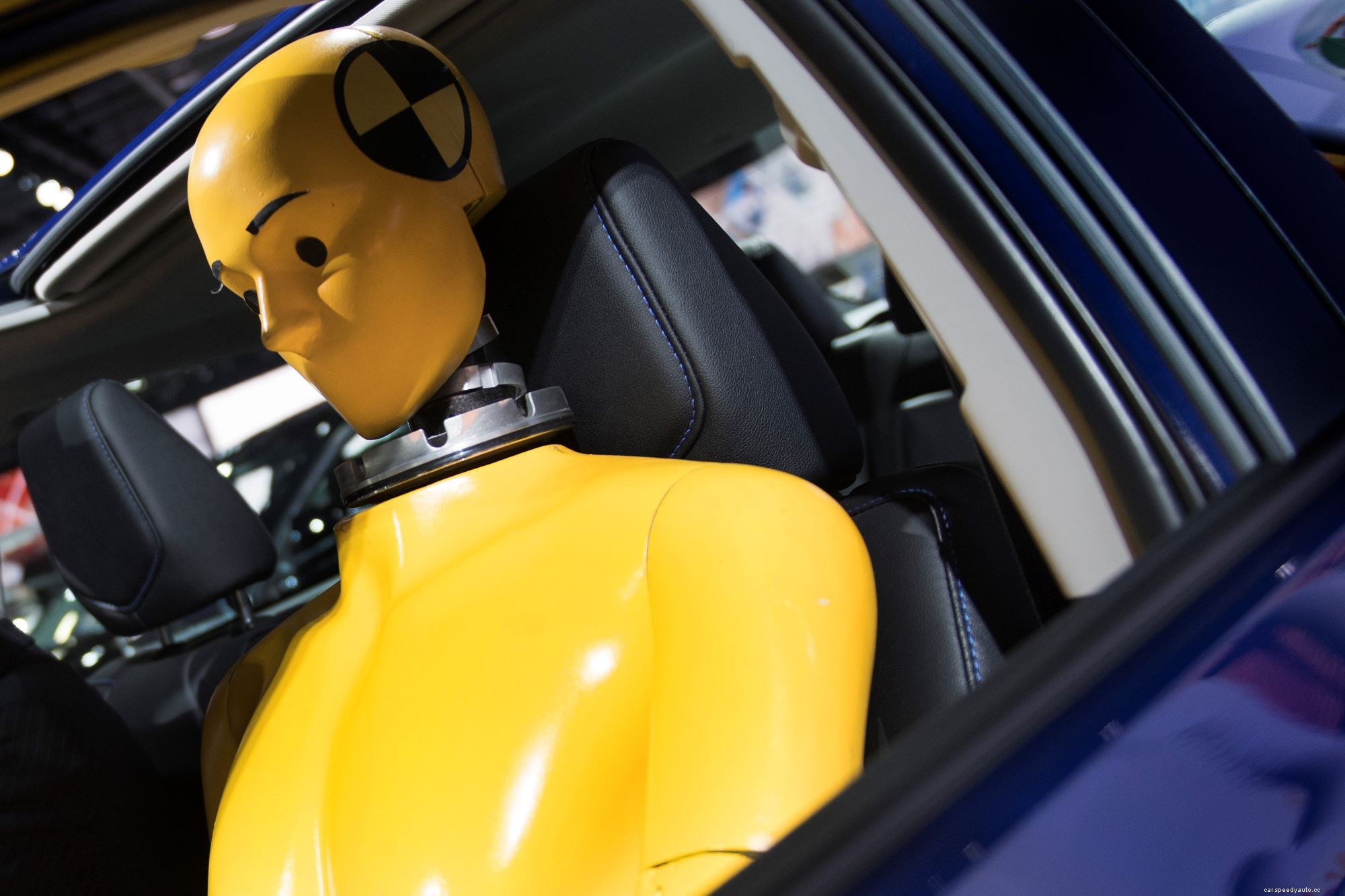
Here, in America, we’re familiar with the National Highway Traffic and Safety Administration and the Insurance Institute for Highway Safety. They put new vehicles to the test and rate their effectiveness in handling different situations during crash testing. In Latin America and the Caribbean, the organization that performs the safety tests for that market is the Latin New Car Assessment Program (NCAP).
They offer a range of star ratings from zero, which means unsafe, to five, which is safe. The independent organization began in 2010 and became a legal framework in 2014. According to Latin NCAP, this company aims to provide the most accurate information possible so that consumers can make an educated decision on whether a vehicle is worth purchasing for their family or not.
Latin NCAP Is Tired Of Zero-Star Safety Ratings https://t.co/iBIvmC8qHh pic.twitter.com/xWnloSye8S
— Jalopnik (@Jalopnik) August 31, 2021
The two vehicles in the European market that couldn’t get even one star for car safety are the Renault Duster and the Suzuki Swift. Both vehicles, interestingly enough, have some pretty good features, like double airbags and electronic stability control. But, even with the impressive programs, they both landed with a flat zero rating. In America, you can get a poor score, but not a complete zero.
While it’s unsurprising that cheaply made vehicles are considered unsafe, it is essential to know that the cost of ownership for vehicles like these is the highest in Latin America and surrounding areas. So, technically, drivers in these parts are more likely to spend quite a bit more money than Americans or Australians. Of course, neither are available in the American market when it comes to the Duster and the Swift.
https://twitter.com/Mwirigi/status/1095615172218159104The Renault Duster is produced in Brazil and Romania. It received low scores due to no airbags in the vehicle protecting the side body or side head. The Duster also failed due to fuel leakage and unstable structural performance.
Suzuki’s Swift fared no better. This vehicle is produced in India and Japan and comes in a hatchback and a sedan version. Due to its lack of protection for side impacts, it received abysmal scores in safety, especially in the tests for children.
While the disappointing ratings are enough to deter some drivers, it’s still offered for other European markets because it’s a bit safer elsewhere than in the Latin American segment. As strange as that might sound, it’s actually true.
What Latin America gets is different from the models offered in other European markets. The Duster will get the side body and head protection that Latin America doesn’t have in other areas. Of course, in other markets, it’s manufactured under the Dacia brand and not Renault.
The Maruti Suzuki Swift has crossed the 25-lakh sales milestone in India, achieving this in 16 years. Full story: https://t.co/3SOzvZGiMf
— Autocar India (@autocarindiamag) September 14, 2021
The Swift is also different. It is sold elsewhere with six airbags and electronic stability control. Latin America lacks these, especially the side body and head airbags. All it does offer for safety is a standard lap belt for the rear center seating position.
The Duster and Swift aren’t safe to drive, at least in the Latin American markets. But, sold elsewhere in Europe, they become much safer because they’re offered with the very things that Latin NCAP found lacking in their country’s version.
