
You have most likely heard of refinancing a home loan, but are you familiar with refinancing an auto loan? If not, it’s essentially the same process – you’re taking out another loan with a longer-term or lower interest rate to pay off the existing loan and lower your payments. In essence, refinancing your auto loan is a good way to free up some cash every month and save money on interest. However, there are certain circumstances when it’s not a good idea to refinance your car loan.
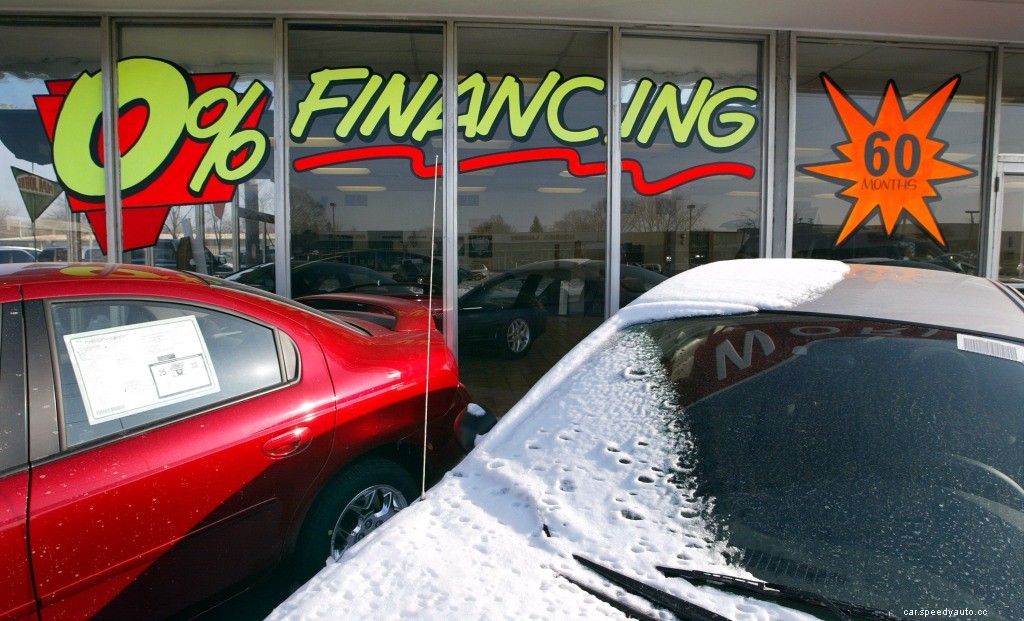
While there are many good reasons to refinance your auto loan, there are times when it’s not such a good idea. According to Autotrader, if your current loan has a pre-payment penalty attached to it, then you may not want to refinance it as you will be charged that fee. Also, you may want to refrain from refinancing your auto loan for a longer-term if your current loan is short.
For example, if your current loan term is set for 36 months, then refinancing it for 48 or 60 months is not a great idea. Of course, doing so can be tempting because it would equate to lower monthly payments, but you could end up paying more in the long run due to the extended loan term. Here are some other instances where refinancing your auto loan wouldn’t make sense:

There is no set timeframe that you should wait before refinancing an auto loan. However, since your credit score will dip after taking out the first auto loan, it’s a good idea to wait at least a few months before refinancing. Additionally, you may need to wait until the original lender is listed as the lienholder on the title in order to refinance.
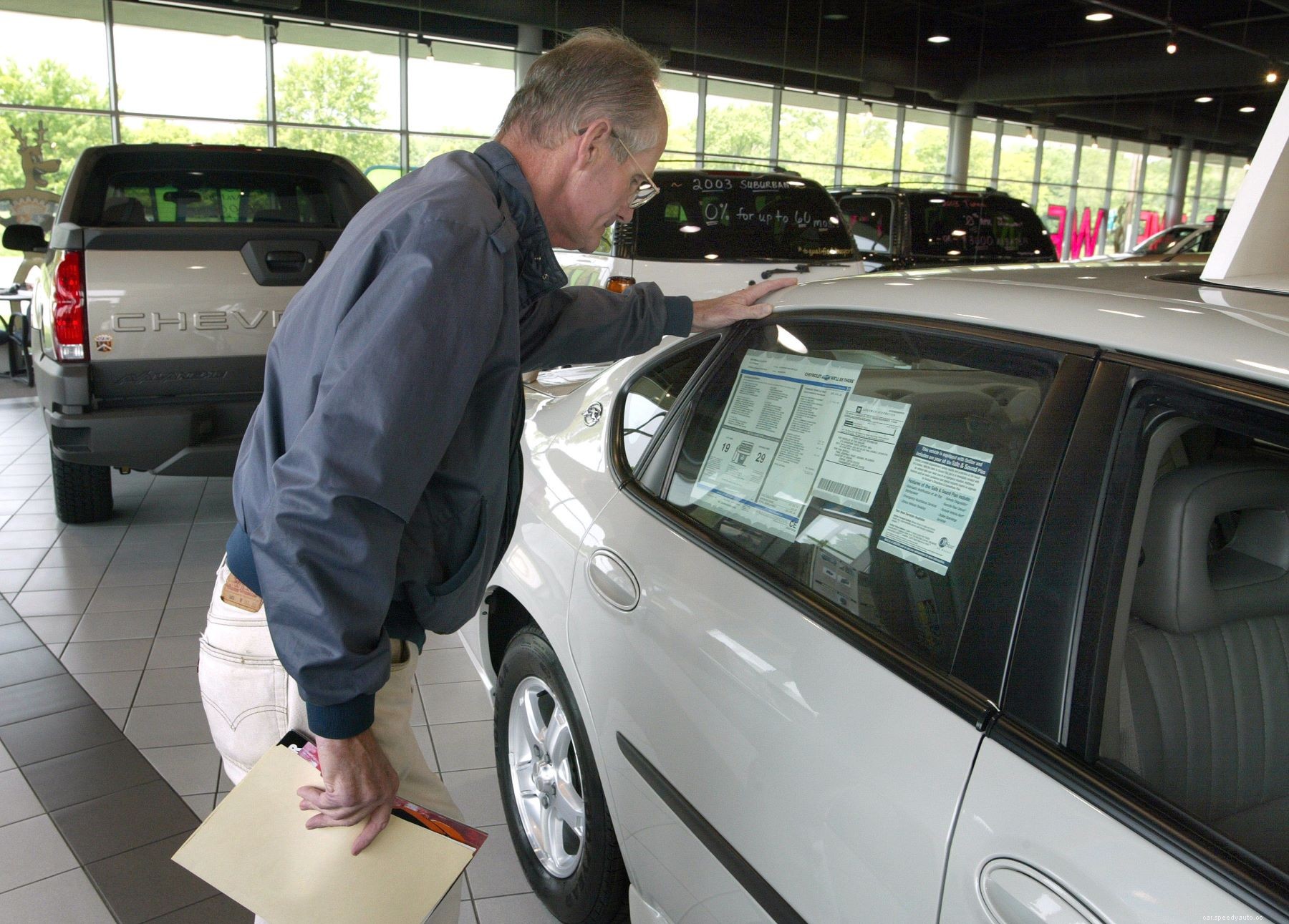
If you do plan on refinancing your current auto loan, then remember to shop around for the best rate possible. After all, one of the main points of refinancing an auto loan is to lower the interest rate and lower the monthly payment in order to save money now and in the long term. Not doing so makes refinancing obsolete.
If anything, just make sure that you’re not planning to refinance during the circumstances listed above. By doing so, you may end up paying more money than you originally owed.
