
Most people are daily drivers that depend on their vehicles. We are always on the move going to work, running errands, and traveling for pleasure. It is nice to have the freedom to travel where you want to go. However, the downside is that occasionally things can go wrong with our vehicle, making for car safety risks. Although it isn’t common, vehicles can, and sometimes do, catch on fire. Whether it is a mechanical or human error, part of learning about car safety should also include knowing what to do if your vehicle is on fire.
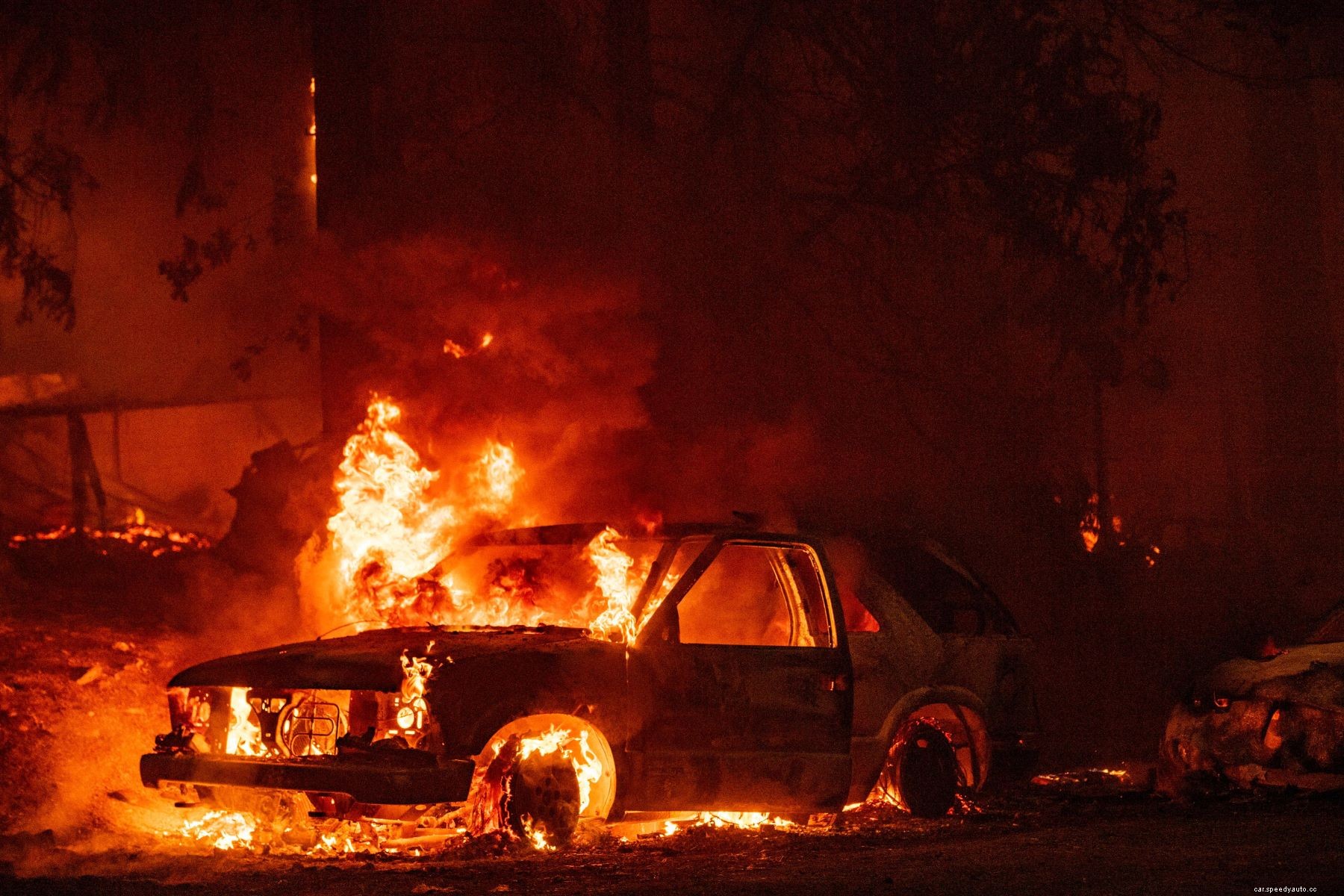
Car fires are not usually just one single thing going wrong. It is also not usually manufacturer defects. It is often a combination of circumstances that can make a fire more likely to happen. The most common causes of car fires include:
A vehicle fire can happen suddenly, being very unpredictable. Therefore, the most important thing you can do is learn the warning signs and what to do if you suspect that your vehicle may be a little too hot to handle.
According to State Farm, there may be some potential warning signs that your vehicle is at risk of a fire. Some of the biggest red flags include:
Knowing the warning signs of a fire is the easiest way to ensure that you and your family are riding safely. However, if you suspect a problem under your hood, you should avoid driving until the issue is resolved.
Not all things can be predicted, especially not car fires, but how you handle the situation can save your life. You need to do several things if you feel that your vehicle has caught on fire.
Step 1. Pull over and turn off your vehicle’s ignition at the first sign of trouble. If possible, pull as far as you can off the road to protect other people.
Step 2. Get everyone out of the vehicle and move at least 100 feet from the car. Do not return for personal items or check for a flame under the hood.
Step 3. Call 9-1-1. Let them know that you fear your vehicle is about to be on fire and that you need help. They will dispatch someone to your car that knows how to handle the situation.
Step 4. Alert other drivers to avoid being close to your vehicle if you can do so safely.
Remember, when dealing with a vehicle fire, it is always best to err on the side of caution. Vehicle fires and explosions can be deadly. Therefore, even if you call 9-1-1 and discover no fire, it is still better than taking a risk that puts you and others in danger.
