
Buying a used car can be a challenging task. No matter how sure you are of a particular model, there’s always a chance of underlying issues. Even worse, the seller may be hiding things from you. One thing you don’t want is to find out about your car’s problems after buying it. Look out for the most common used car problems to avoid regretting your next purchase.
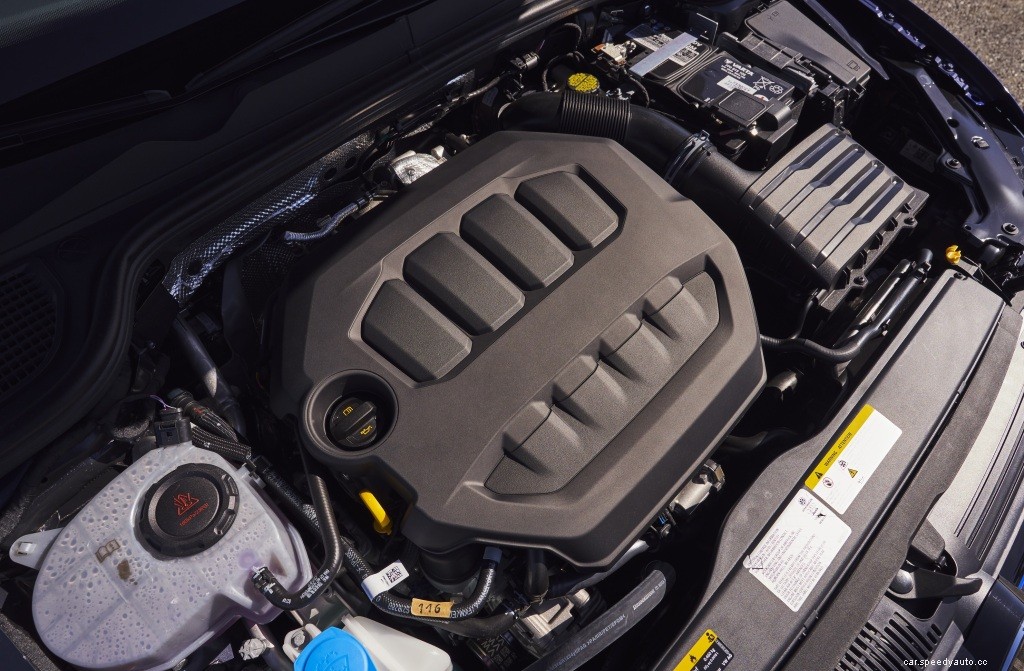
According to Robotics and Automation News, engine problems are one of the most common things used cars face. Even if you know nothing about cars mechanically, you probably know that the engine is vital. RAAN reported that the engine is one of the parts that experience the most wear and tear. Additionally, engine repairs and replacements are ultra-expensive and could be more costly than the car itself. If you’re buying a used car that could have engine problems, avoid it.
RAAN recommends testing and inspecting the engine yourself before buying the vehicle. Listen for unusual noises, check the temperature gauge for excessive heat, and listen when it starts. Abnormalities with any of these can mean something is wrong or a big issue is on the way. Make sure to test drive the car without music playing to listen to the sounds of the vehicle.
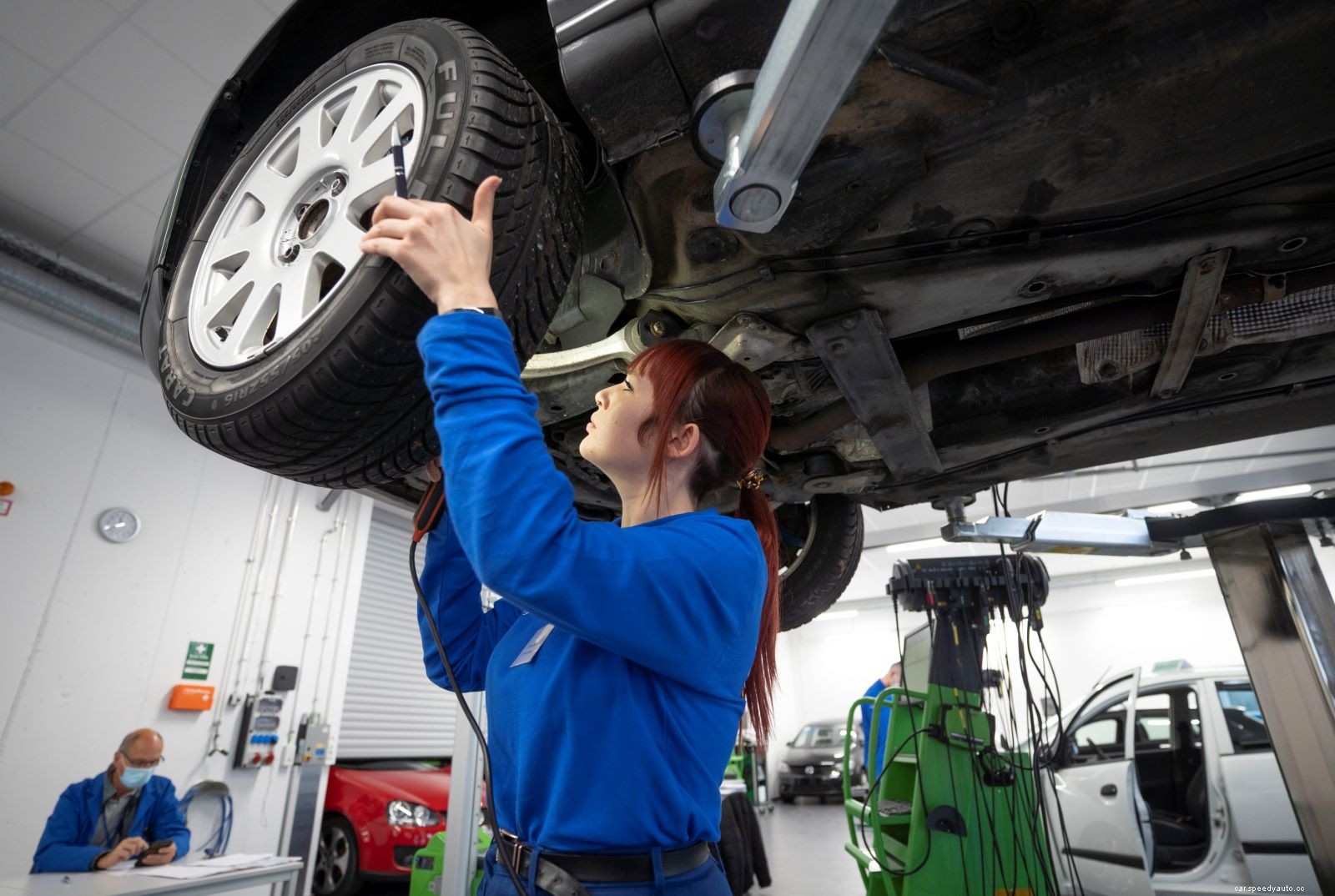
One thing you don’t want to drive anywhere without is appropriately working brakes. Brakes are vital to safety while driving, and they’re commonly left alone for used cars. Luckily, fixing brake problems is usually inexpensive and easy if you’re interested in doing it yourself. Most commonly, brake pads worn thin will be left alone if someone sells a used car. Dealerships selling used cars must ensure the brake pads are a certain thickness to sell the vehicle. However, that doesn’t mean they won’t leave the pads on with the most minimal measurement possible for legal sale.
When driving, hit the brakes hard and soft. Drive normally, but pay attention to how far down the pedal has to go before you feel the car slow down. Is there any grinding or pulsating in the brake pedal? If anything feels strange, there could be a plethora of problems. Brake pads, calipers, discs, or rotors could need repairing or replacing. Malfunctioning brakes are far too risky to drive with; that’s why this is one common used vehicle problem you’ll want a mechanic to check.
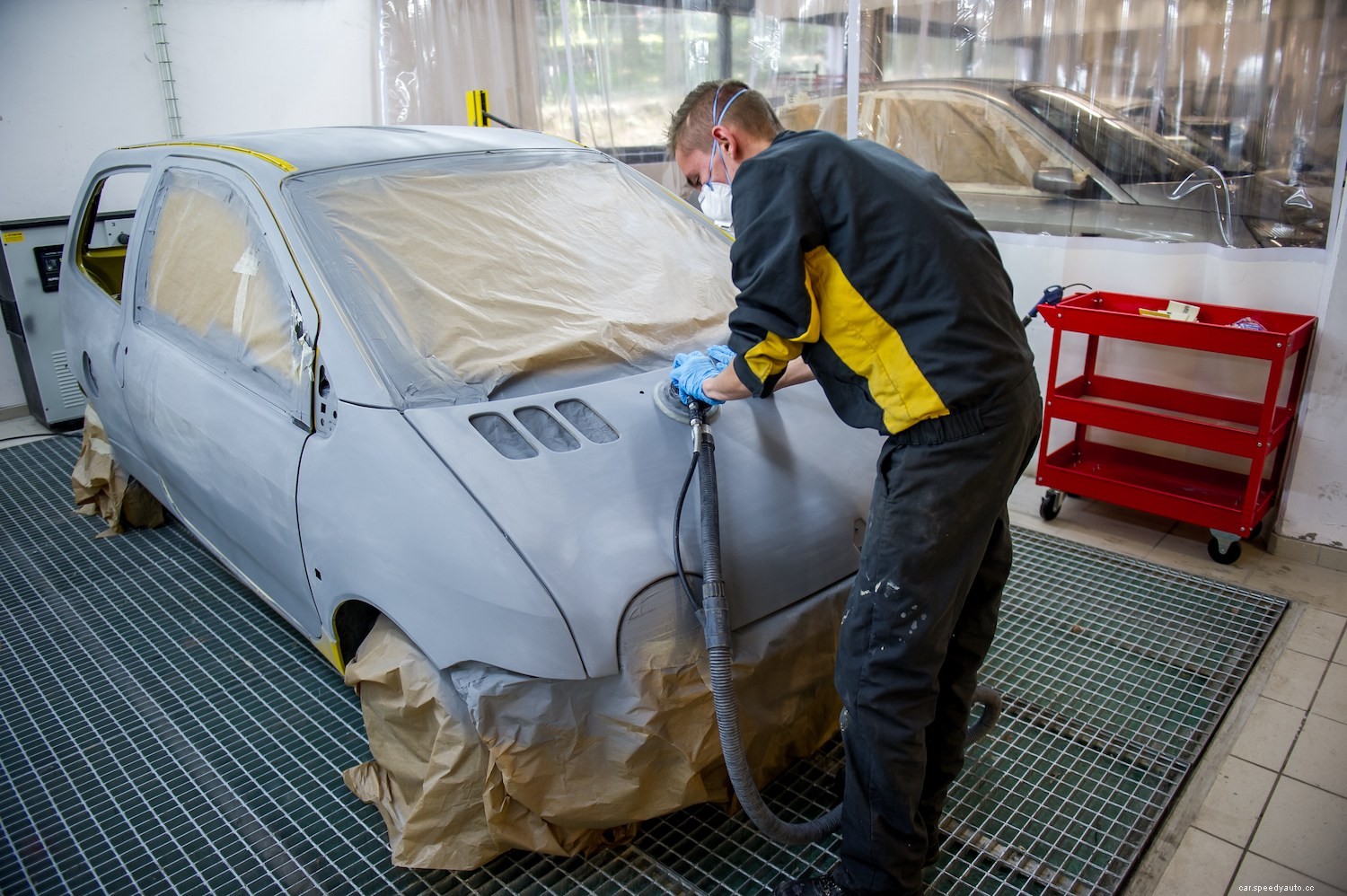
When choosing to purchase a used car, you agree that it’s OK for it to have some bumps and bruises. Depending on the vehicle’s age, you expect small things like dents, scratches, or even worse. However, specific body damage can lead to mechanical or performance issues without proper care. Check every inch of the car, including underneath the body and hood. Here are a few items RAAN says are commonly affected by body damage:
Researching and finding the right used car for you can be daunting. Moreover, make sure the seller gives you all the information they have. All the maintenance history, accident reports, and more are essential to receive before buying. Contrarily, regardless of what the seller does, you can look out for the most common used car problems. Engine, brakes, and body damage problems are prevalent in most used cars. Using every tool at your disposal to find the issues before it’s too late could be the difference between purchase regret or an excellent used car.
