
Are you willing to risk life and limb for a splash of milk and a crust of bread? For millions of people, traversing across a snow-covered landscape brings with it dangers that go well beyond personal well-being. Road salt, and all of the chemical compounds that it embodies, are determined to eat your vehicle from snout to sphincter. Slowly gnawing away at your rusting ride’s hide, Old Man Winter sinks his fangs deeper, hoping that you fail to notice his lingering presence.
While washing your vehicle one morning, a stark discovery reveals that rust has begun to form across the hull of your mighty war wagon. Egads! Road salt has compromised your machine, and as you hastily review your options, you soon realize that your choices are limited at best. A few carefully selected preventative measures last autumn could have negated this entire fiasco, yet here you stand, dumbfounded at the corrosive catastrophe silently spreading over your prized mode of transportation.
So what is to be done? Remove the rust and then skip driving entirely, as you keep your car hidden within the garage until next spring? That would mean rethinking daily life as you know it. So to hell with that option. A far more feasible alternative would be to go toe-to-toe with snow, and protect that vehicle from the elements as best you can, in a three-pronged attack.
This second option may require some additional DIY maintenance on your end, but it sure beats riding the bus, or carpooling with your obnoxious neighbor. So get ready and read-up, because Old Man Winter will be here before you know it, and last we checked road salt was still the world’s first line of defense. A product that in America alone, inflicts billions of dollars in vehicle damage every year.
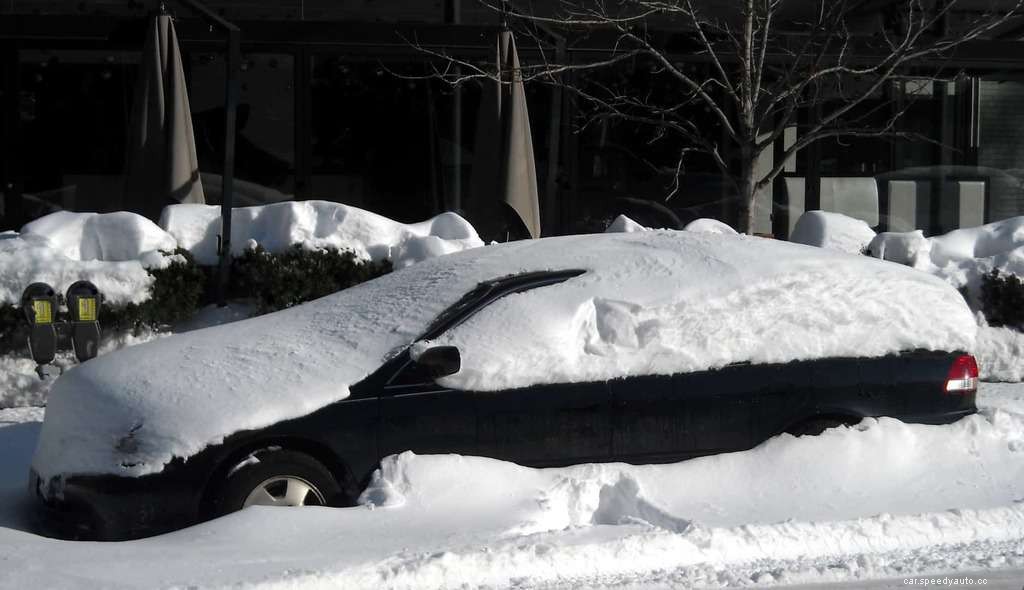
Quick Nerd Note: The chemical composition of road salt, or rock salt, is sodium chloride. Abbreviated as NaCl, this stuff is basically unrefined table salt. Coarse in texture, and often naturally tinted a brownish grey from the trace minerals found within it, road salt is about as unrefined as it gets.
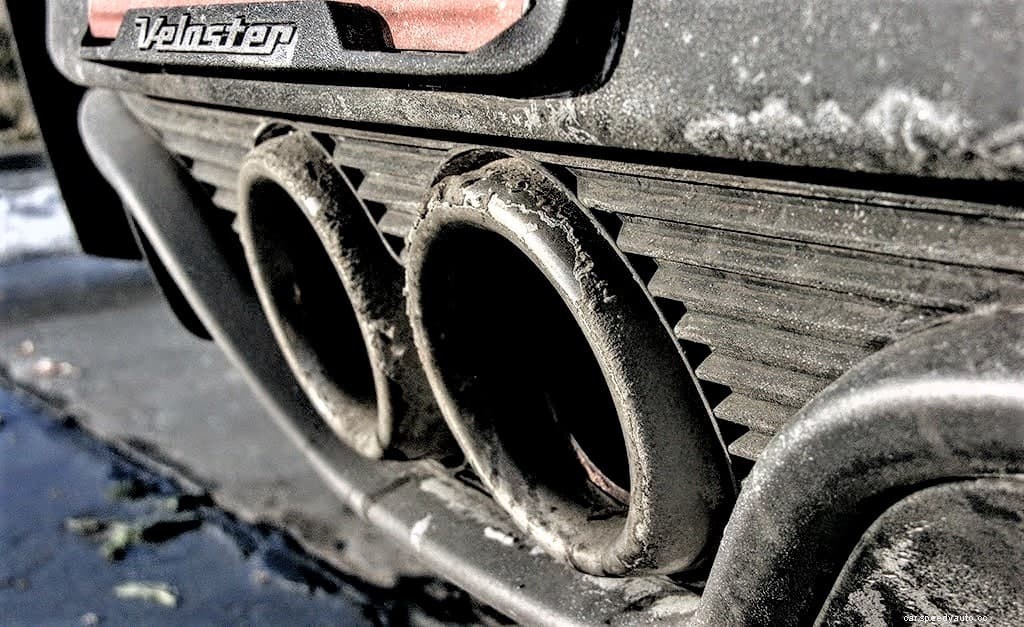
Navigating a snowy road is like attending a dinner party with Hannibal Lecter. You never know what’s going to be on the menu. But throw some salt at the situation, and that plate of peril magically melts away, leaving behind a different sort of menace. A salty evildoer that instead of striking suddenly, prefers to slowly devour its prey.
An in-depth look at rust formation on vehicles conducted by Hagerty in early 2020, shows that steel corrodes quickly when placed in close proximity to water rich in road salt, as this concoction has very potent electrolyte properties. This in turn creates liquid carbonic acid, and as the electrolytes are stripped from the wet steel, oxygen is released from the water and bonds with the dissolved iron, thus forming iron oxide. This final product is something that has become commonly known as “rust,” and it is responsible for billions of dollars in vehicle damage every year.
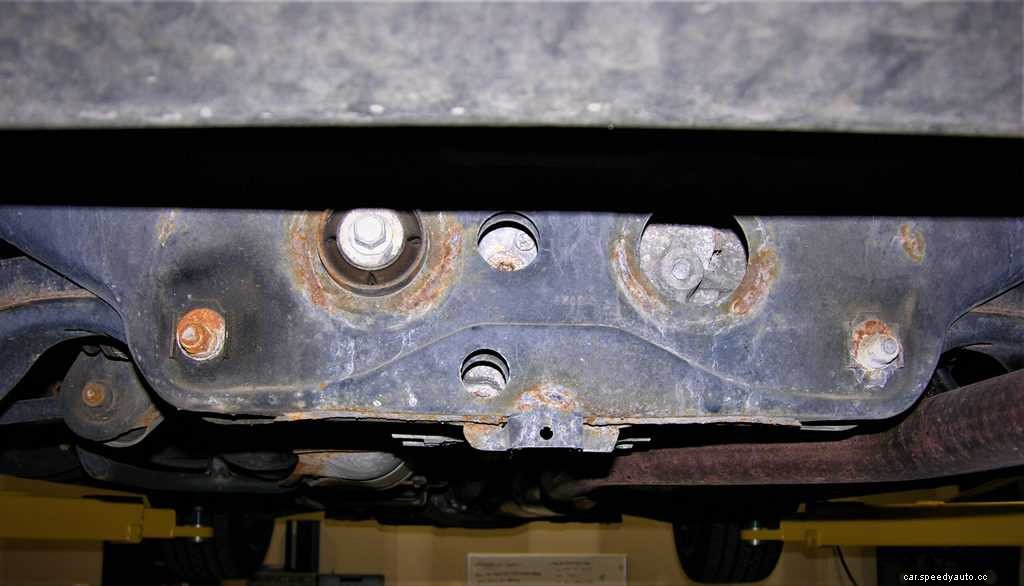
As for which parts of a vehicle are most prone to contracting “car cancer,” pretty much anything that’s made of metal is at risk. You’ll find that over time, pitting becomes an issue on the surface of aluminum alloy wheels, while rocker panels are quick to suffer from clear coat damage. Meanwhile, rust bubbles will eventually begin to form on fenders and across a car’s undercarriage, which according to auto insurance specialists, Nationwide, is but one of many problematic parts of an automobile. Nationwide goes on to explain that other areas to watch for rust are along doors, fenders, hoods, and tailgates, as all of these are prone to developing rust since they retain a lot of moisture.
“In the last five years, 22 million U.S. drivers have experienced rust damage to their cars due to salt and liquid deicers. In addition to the safety risk, repairs to fix these problems are often costly, averaging almost $500 per occurrence.”
-John Nielsen, AAA’s managing director of Automotive Engineering and Repair
It’s not like that blue slush being slung out the back of a salt truck is any better either. A report by the U.S. Army found that although liquid chemical deicers do a brilliant job of combating ice and snow on roadways, they also come with their own risks.
While a lower freezing point may help these chemicals melt ice and snow faster than traditional road salt, they can also be more detrimental to automobiles. Liquid deicer has the ability to coat components that normally don’t come into contact with coarse road salt, seeping into tight crevices and accelerating rust formation.
These ailments not only have the ability to damage a car’s resale value, but they can also hamper how it operates, turning winter weather driving into an extremely risky affair on a multitude of levels. Fortunately, most modern vehicles have body panels that are constructed from various forms of plastic, and therefore are impervious to the corrosive properties found within road salt and chemical deicers.
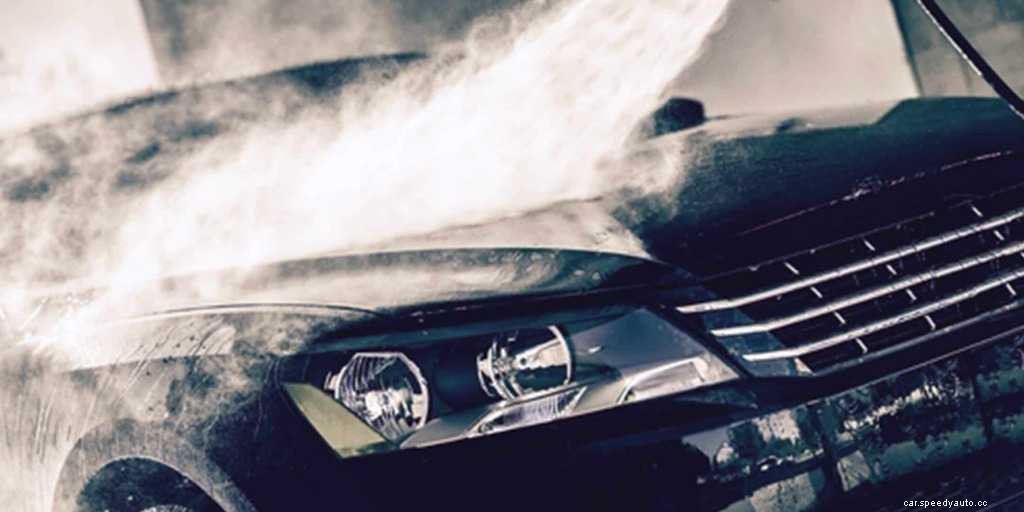
To reduce the risk of road salt corrosion, experts suggest that you wash your car about once a week. If not, your vehicle runs the risk of developing rust and corrosion, and not just on its body panels and bumpers. Road salt is notorious for damaging exhaust systems and mufflers, coil springs and other suspension components, subframes, hydraulic brake systems, bushings, and various undercarriage accoutrements.
While rust bubbles and “bumper rot” are unsightly, rusted mechanical components can be downright dangerous. AAA warns that if a vehicle displays any of the following malfunctions or warning signs, to immediately pull over to a safe location, and get a tow to a trusted “AAA Approved” repair facility.
Some of the big warning signs to watch for are in-dash warning lights for brakes and other quintessential safety systems, a brake pedal that suddenly starts feeling “spongy” or soft, a noisy exhaust sound or the smell of spent fumes, or the smell fuel from inside the cabin. There are numerous other mechanical maladies to watch for when driving a vehicle that sees salted roads regularly, but the aforementioned warning signs remain the most prevalent and potentially harmful.
And while there is no set time frame for salt damage to form on an automobile and its mechanical components, new car owners benefit from some modern manufacturing perks. Thanks to advancements in galvanized metal coatings, rust formation takes far longer to materialize than on older vehicles. Even with these rust-resistant materials on-deck, it is still best to put a salt protection maintenance plan into play, and then stick with it. But if that plan is to merely de-ice your car whenever winter weather strikes, and pray that come spring cleaning will wash away a season of salt, you’re going to be in for a nasty surprise.
Quick Tip: Want to wash your vehicle’s undercarriage after a snow storm, but don’t fancy the notion of lying on a slushy driveway with a pressure washer wand in hand? Stuff a lawn sprinkler underneath your vehicle, and every few minutes turn it off, before moving on to another area of the vehicle’s underbelly.
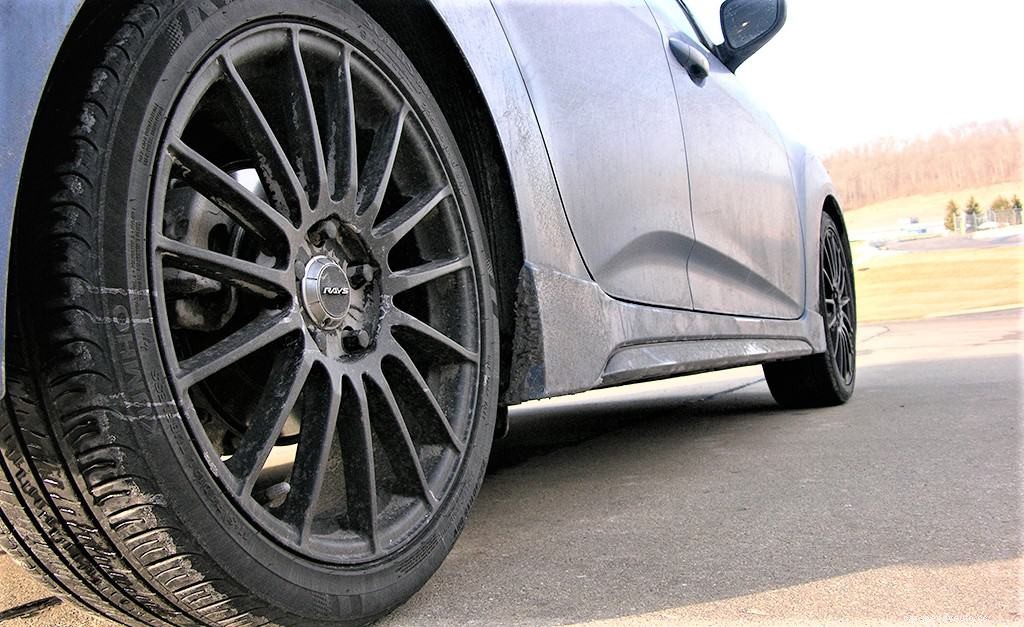
Not interested in rolling the dice, hoping that Old Man Winter spares you from his snowy onslaught this winter season? It’s probably a good idea to assess your automotive winterizing options, which according to America’s official DMV website, are better than ever.
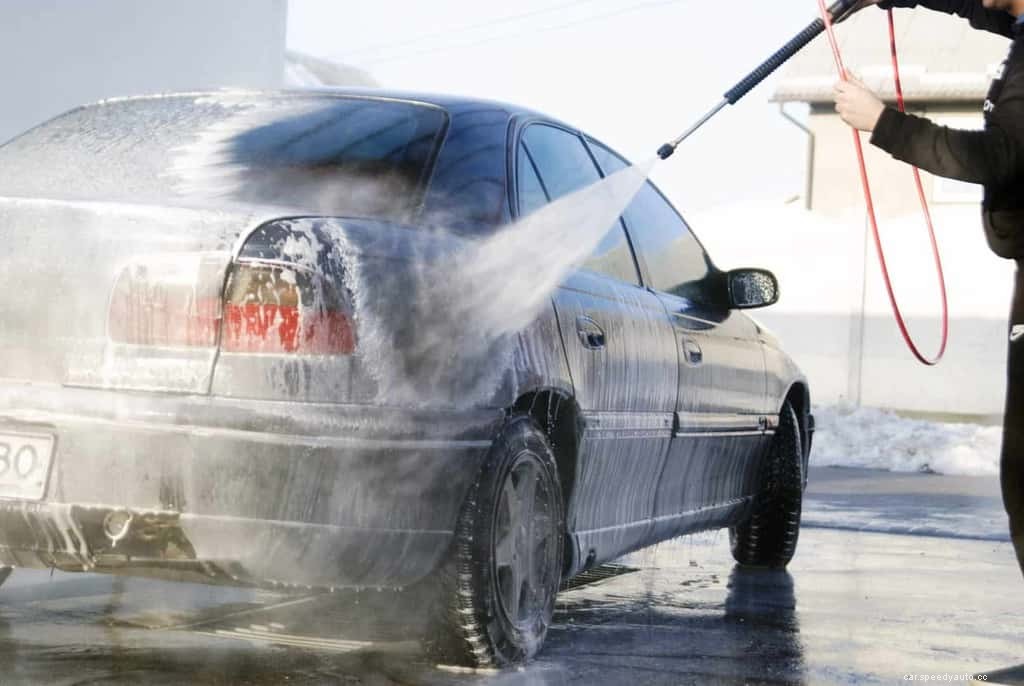
Once winter weather hits, it is important to wash your vehicle regularly in order to remove road salt, grime, sand, and other unpleasant forms of foreign contaminant. While a garden hose will work in a pinch, opting for a pressure washer that has been toggled to function on its mildest setting is your best option. Just remember to keep the tip of the sprayer nozzle from getting too close to the surface you are cleaning, or it may damage the clear coat, vinyl wrap, undercoating, wax, or ceramic coating that is protecting the vehicle.
For as tempting as it may be to give that vehicle a sudsy bath, the onset of another snow storm will likely render this procedure useless. However, if the forecast shows that there will not be another wintry mix for a while, go ahead and take the extra step, and give the vehicle a sudsy scrub-down. A high quality car shampoo and a well-made microfiber scrubbing cloth will do wonders for removing any stubborn grime that the pressure washer was unable to dislodge.
Quick Tip: Regardless as to whether or not your vehicle sports a fresh vinyl wrap or a couple layers of ceramic coating, a regular rinse is one of the best ways to keep grime and road salt from embedding into your vehicle’s exterior. If a pressure washer is unavailable, head over to a drive-in DIY car wash. In colder regions, a pay-as-you-go car wash often offers temperature controlled water, and those adjustable high-pressure hoses are ideal for blasting away salt stains and dirt-laden slush.
Regardless as to what technique you use for removing road salt and winter grime, hitting hard-to-reach areas should always be your primary objective. Wheel wells, fenders, bumpers, door jams, body trim mounting points, mud flaps, and the undercarriage are all prone to harboring wintry road residue, so leave no nook or cranny untouched.
It’s important to remember to always wash your vehicle during the warmest part of the day in order to provide adequate dry time. A quick wipe-down with a microfiber towel or two will help expedite this process, and will prevent freezing temperatures from turning that freshly sprayed layer of water into an icy shell overnight. A good rule of thumb is to wait for cold weather temps to climb above 40°F before attempting a winter wash, and don’t forget to hit those door handles and latches with a little deicer for additional peace of mind.
With winter driving worries fading from the rearview mirror, you can now turn toward the final stage of protection: spring cleaning. You need to insure that every spec of that snowy, salt-stricken sludge has been removed from your vehicle. However, until a heavy rain washes all of that salty white stuff away, your automobile will continue to be a magnet for winter’s rust-inducing residue. So remain vigilant, because rust never stops, and neither should you.
