
In this guide we will tell you all you need to know to help you prevent or sort your windscreen-related issues, before they become a big deal.
The windscreen of your vehicle needs to be kept in good condition. A car windscreen does much more than act as protection from the wind and the rain - a clear and undamaged windscreen is vital for good vision.
A cracked windscreen can impede a driver's vision, making it difficult to see approaching traffic and other road hazards. Even minor scratches and small chips can cause problems; these can make dazzle and glare from sunlight and other car headlights worse worse.
A windscreen is also an essential part of the vehicle's structure. Not only that, an incorrectly fitted windscreen could interfere with the performance of the passenger airbag in a car.
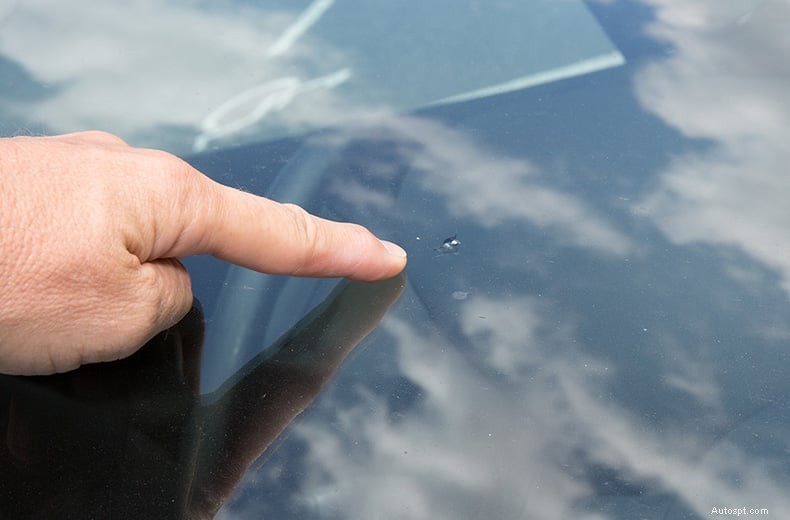
If you notice even a small crack or chip in the windscreen of your vehicle, don't ignore it. The damage won't fix itself - a cracked windscreen is often the result of a chip that was left unrepaired and then grew into something more serious.
It is quicker - and cheaper - to get small damage repaired than a fully cracked windscreen, which will usually need to be completely replaced.
Best practice is to repair the chip or crack as swiftly as possible. Even if the damage is not in your line of vision, don't put off the repairs - a crack left unattended can quickly spread across the windscreen.
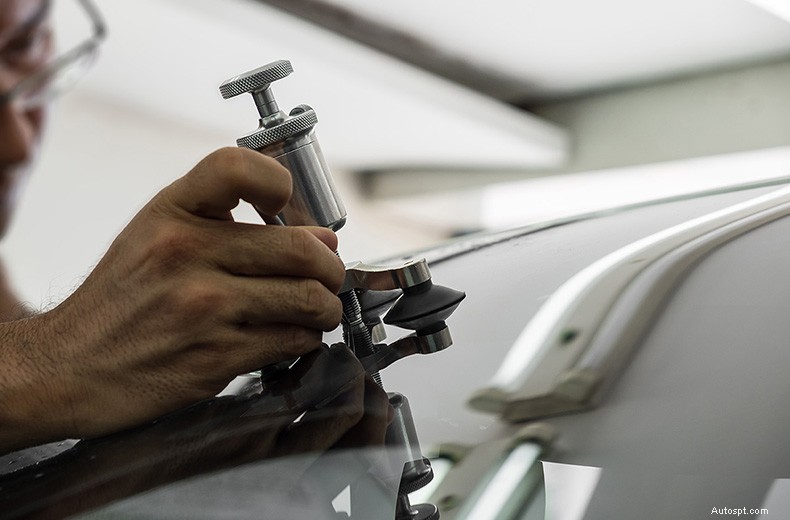
A chip could be repaired by injecting an epoxy or acrylic adhesive into it. This will seal the chip, preventing moisture and dirt getting into it. But larger cracks can't be so easily fixed - meaning you will then need more detailed cracked windscreen repair.
While it's virtually impossible to prevent a stone from hitting your car, resulting in a cracked or chipped windscreen, there are some basic tips which can help with preventing windscreen cracks:
