
Foggy headlights and dimming beams affect even the most conscientious drivers, so let’s look at why your lights might not be as bright as they once were, and the different ways you can restore them.
There are two main ways that your headlights degrade over time:
It’s important to work out what part of your headlight has degraded before attempting to repair them.
Headlight bulbs will dim over time through wear and tear. The range of bulbs used in headlights typically last for:
Headlight casing can become cloudy or appear yellow for several reasons:
Even with bulbs in perfect condition, your headlights will appear dim or discoloured when you have cloudy/foggy casing.
The highway code (Rule 226) says: “You must use headlights when visibility is seriously reduced”, with ‘seriously reduced’ defined as when you are able to see less than 100 metres in front of you.
As headlights must be used during the hours of darkness (Rule 113), where ‘hours of darkness’ is defined as the period between half an hour after sunset and half an hour before sunrise, it’s important that your headlights are bright enough to see 100 metres in front of you at all times.
Use these distances to decide if you should replace or restore your bulbs. Make sure you replace both sides at the same time for even illumination.
Watch this video for tips on how best to check your car's lights.
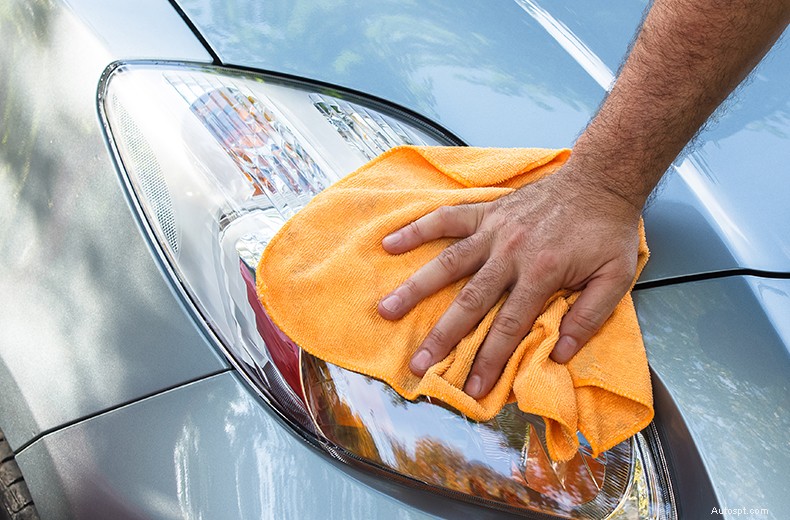
There are three approaches you could take when restoring your headlights. The unconventional DIY route, the more traditional DIY route, or simply leaving it to the experts. Here’s each option, step by step.
Before restoring your headlights it’s important to start with a clean surface. Use a car shampoo to begin and then pick your weapon of choice.
Thanks to the abrasive elements of gritty toothpaste, it can gently wear away a surface layer of scrapes and scratches on your headlight casing.
This takes a little more time and effort:
This is more of a light treatment, and its effectiveness depends on your chosen brand of pop:
You may have to apply the household liquids and pastes several times for the best results. Compare the difference by taking a photo of the headlight and its beam before you start restoration.
Finish with a wax to add a protective layer and slow the effects of future damage. Remember, it’s best to think of these DIY treatments as temporary measures rather than long-term fixes.
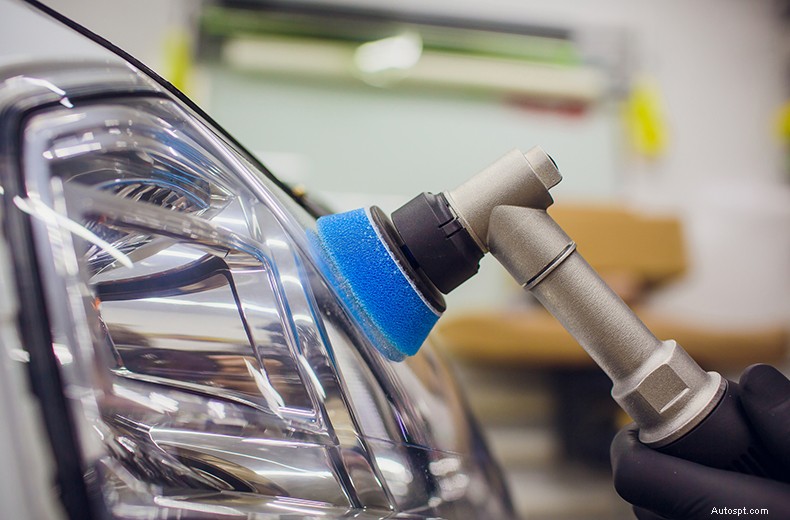
Headlight restoration kits aim to include everything you need in one set.
Kits may include a range of sandpapers, a selection of tools with abrasive discs or a wool pad ready to attach to a power drill, or even a cleaning solution and a separate coating solution to futureproof your casing.
You should follow these steps when using kits with sandpaper and drill attachments for sanding or buffering.
The RAC shop features two kits that use abrasive techniques:
Follow these steps when using clean and coat restoration kits:
The RAC shop has the Meguairs Two-Step Headlight Restoration Kit which protects against UV damage for over 12 months.
If you’re not so confident tackling cloudy headlights yourself or it seems too fiddly, you can always leave the job to a garage.
The cost of restoration will vary depending on whether you need to replace a bulb, restore or replace the headlight unit, and the type of bulbs you need.
Halogen bulbs can cost as little as £9 to replace while a headlight unit for a Volkswagen Polo with LED bulbs can set you back £846.
Headlights are a hugely important part of road safety so find an RAC approved garage, or trusted recommendation to use.
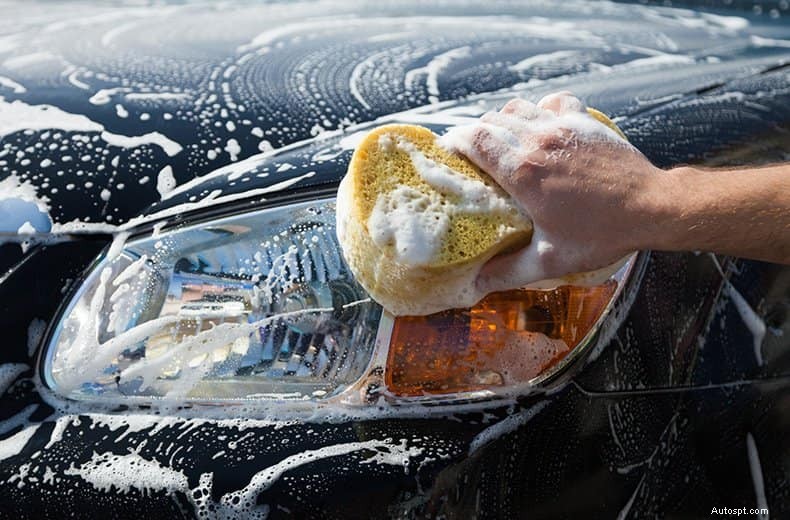
There are a few preventative measures you can take to protect your headlights from degrading:
Washing your car with a quality shampoo will prevent the build up of dirt and chemicals from pollution that can dim your headlights
Polish helps to eliminate scratches that lead to discoloured headlight lenses
Parking to avoid the sun will reduce the harmful effect of UV rays and the oxidising of your headlight casing.
Do you have a home remedy for degraded headlights? Do you stake your life on the toothpaste method? Let us know in the comments.
