
But is a failed head gasket the death sentence for your car that many claim it is?
Read our Q&A to better understand this vital part of your engine and perhaps prevent future problems.
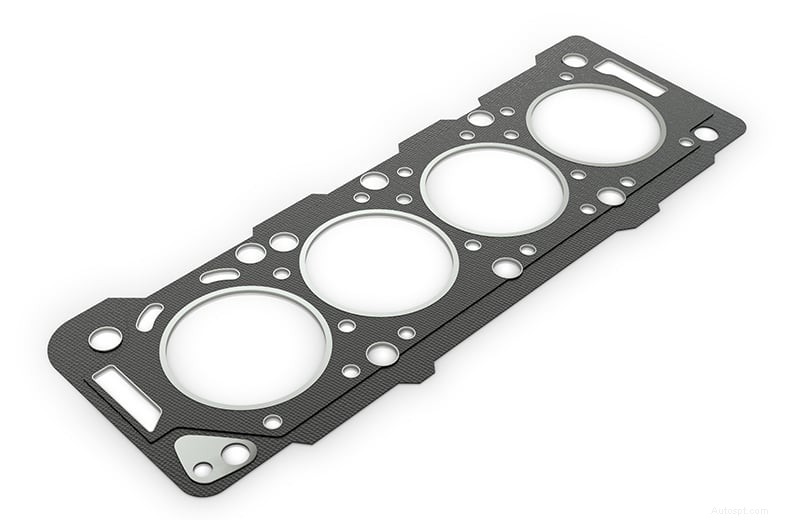
The head gasket seals the internal combustion process and keeps coolant and oil from mixing together.
It’s found between the cylinder head at the top of the engine and the block, the main structure of the engine.
It’s the most stressed gasket in the engine because unlike any other, it simultaneously seals oil, coolant and compression from the cylinders.
The head gasket seals oilways between the cylinder head and block allowing oil to circulate freely around the engine. It does the same with waterways, so coolant can travel where it’s needed.
Diagnosing problems in the head gasket can be difficult as it sits largely out of sight in an assembled engine.
A perforation to your gasket, or a dreaded blown head gasket, usually occurs through overheating.
However, pre-ignition trouble could see fuel combusted at the wrong time, sending large amounts of pressure into the cylinder head and causing perforations further down the line.
A bad head gasket or one that isn’t installed properly is also likely to blow further down the line. It’s important that head bolts are turned so they’re not too loose to form a seal and not too tight, crushing the gasket and preventing a seal to form.
The most common signs that your head gasket is faulty include:
Find out what to do with an overheating car.
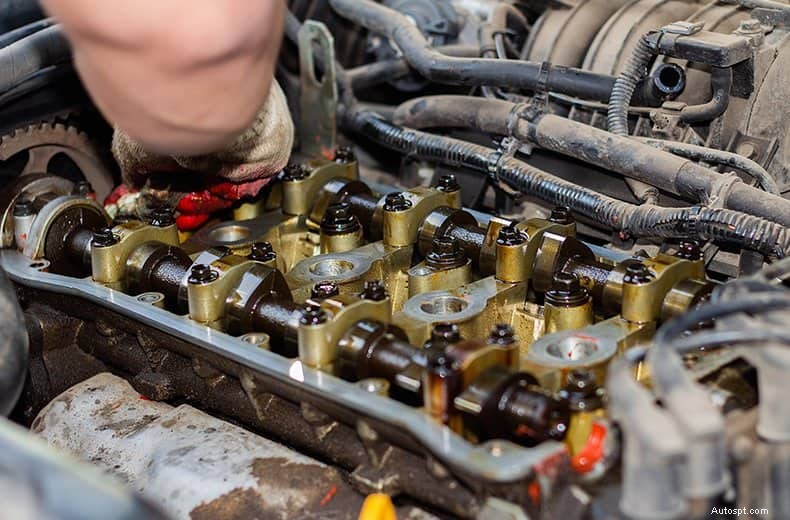
This varies widely depending on your car and garage, but it can cost anywhere from £500-£1000. Leaving a faulty head gasket unrepaired can result in further engine damage.
Warped cylinder heads usually occur when the head gasket fails to provide a seal and the cooling system fails. These tend to cost over £900 to repair.
Find a garage
Head gasket sealer is a liquid that seeks out cracks in the gasket and fills them using targeted chemicals. Prices vary from around £10 to £40.
Head gasket sealer is poured into the radiator and once hot enough, fills cracks and perforations. Running the car for about 15 to 30 minutes with the heater and fan on high helps trigger the sealer.
Many people are sceptical about the long-term powers of a chemical when fixing a mechanical fault, and a sealer should only ever be used as a temporary fix.
While it’s possible to drive with a blown head gasket it certainly isn’t recommended. Once the seal is blown, pressure in the combustion chamber is lost and you’ll feel a significant loss of power.
If your blown head gasket is causing coolant to leak, your engine is far more likely to overheat. This will incur further cracking and damage to your engine.
If motor oil mixes with coolant it becomes diluted and doesn’t offer the same level of lubrication, this could lead to irreparable damage.
