
Let’s take a look at winter driving’s biggest myths and set the record straight.
FALSE
Rule 97 of the Highway Code says motorists should ensure “clothing and footwear do not prevent you using the controls in the correct manner”.
It’s down to motorists to make sure their footwork is up to the task of controlling a vehicle.
You should be able to show that you have full control of your car in the event that you’re stopped by police to check your footwear - which will be pretty tough if you have half a muddy field caked on your wellies.
TRUE AND FALSE
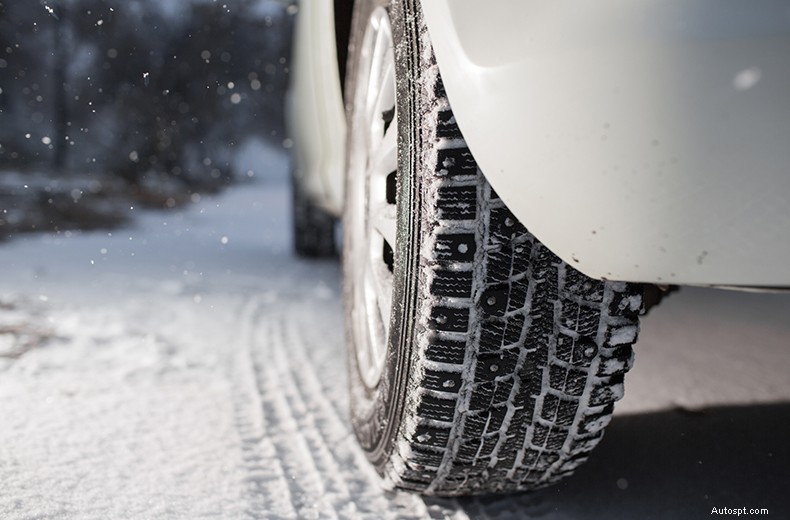
Winter tyres have a deeper tread depth than standard tyres and are made from a softer compound that doesn’t harden so much in cold weather. They’re designed to disperse water and snow, allowing the rubber to move around – improving contact with the road.
Although safer than standard tyres, some insurance providers may consider winter tyres to be a modification. Modifications should be declared and unfortunately they usually increase the cost of your premium.
However, most providers in the UK have signed up to the Association of British Insurers Winter Tyres Motor Insurance Commitment. This recognises the safety benefits of winter tyres and means they can be fitted without having to tell your insurer.
Check with your provider to see if they’ve signed up to the winter tyre commitment.
Just make sure you change them before Spring! Because of their softer material, winter tyres wear out more quickly, give you worse fuel efficiency, and present traction and handling issues.
