
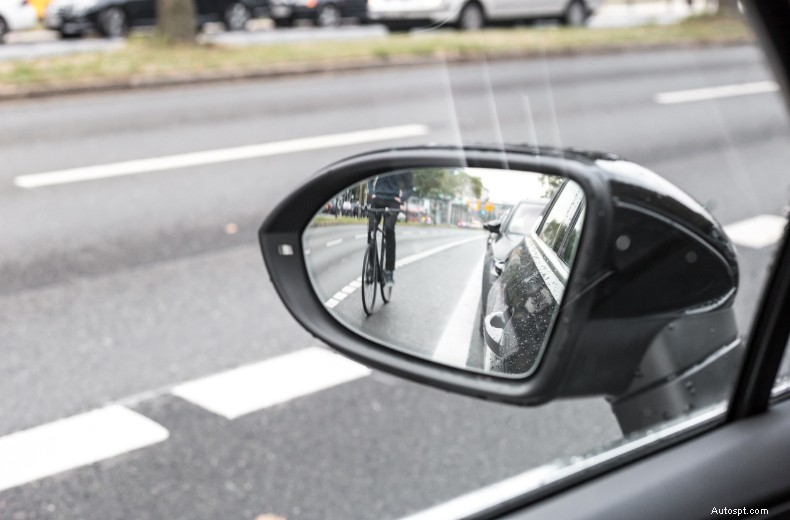
The ‘Dutch Reach’ is essentially a way of looking out for cyclists before you open your car door into their path.
The Department of Transport have even flagged the manoeuvre to be included in the Highway Code.
When you park your car at the side of the road, use your hand furthest from the door to pull the handle. The movement forces you to twist your body, turning your head and eyes in the direction of your blind spot, so you can look out for cyclists over your shoulder before opening a door and potentially causing an accident.
You should make the Dutch Reach a habit and encourage your passengers to do the same to ensure cyclists’ safety.
The Highway Code is littered with references to your blind spot, so one more reminder on our list shouldn’t hurt – especially as checking yours could stop an accident.
Remember to look over your shoulder when merging with traffic, parallel parking, changing lanes and before every manoeuvre where other road users could be behind you. You can make roads even safer by being aware of other drivers’ blind spots and trying to stay out of them when possible.
Checking your blind spots could also prevent you from becoming the victim of insurance fraud. Con-artists sometimes use the ‘hide and crash’ technique, waiting out of sight and pulling in front of unsuspecting drivers before slamming on their brakes to cause an accident.
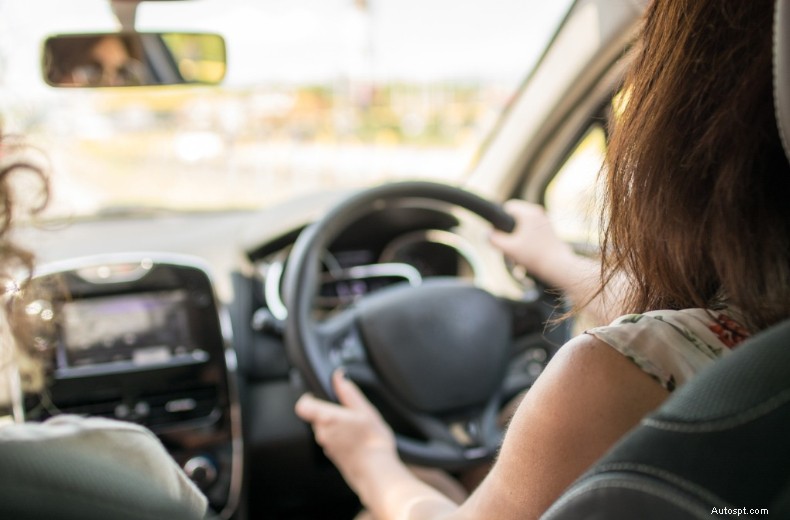
We all know that we should check our rear-view mirrors before breaking hard, but sometimes that’s easy to forget in the heat of the moment.
A quick glance in your mirror lets you gauge how hard you should break to prevent vehicles behind from crashing into the back of you.
Remember, you should check your rear-view mirror frequently and especially at times when you might expect to suddenly slow down – for example at a pedestrian crossing.
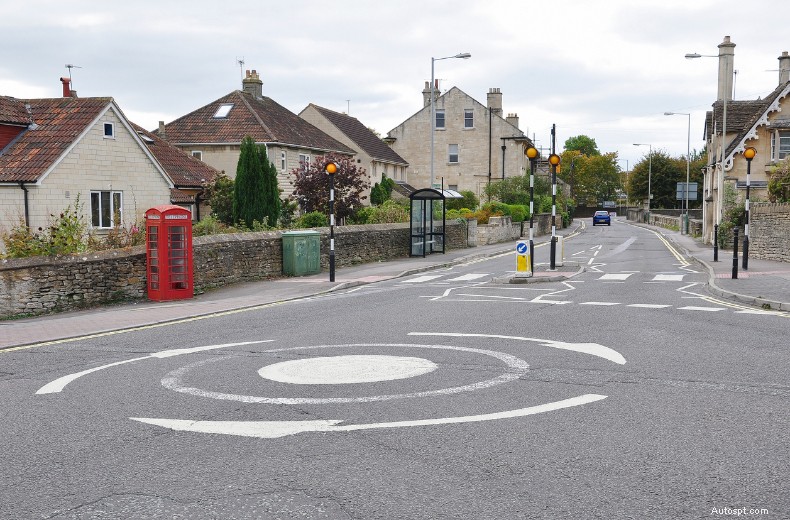
Roundabouts work on an incredibly simple premise; to give priority to traffic approaching from your right. However, there’s so much more to our favourite circle-shaped junctions.
Not only should you look out for traffic lights, road markings and use indicators appropriately, but it’s important to consider cyclists too. After you’ve checked for traffic from the right, remember to look for bicycles who may be travelling straight on when you turn left. Your wing mirrors are your best friend.
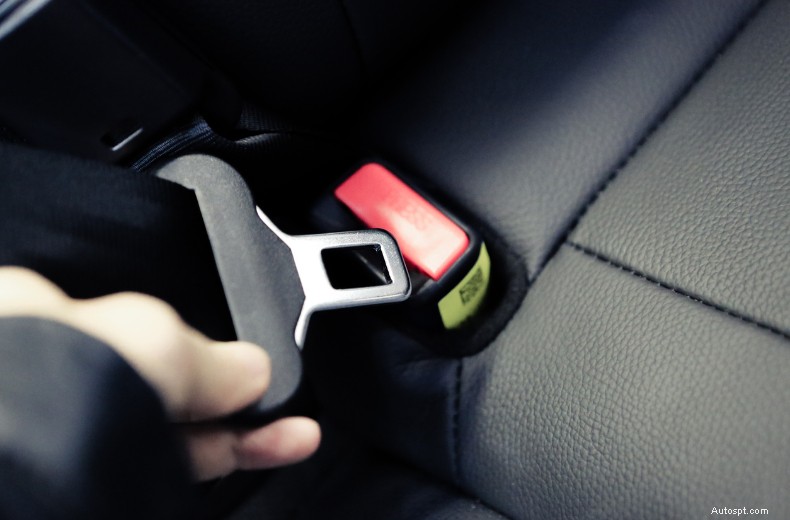
If you rarely have passengers in your car, it’s easy to forget to check your passengers’ seatbelts. A regular check could highlight the need to repair or replace belts before the issue becomes a problem.
Find a mechanic you can trust to complete the work using the RAC approved garage network.
Does it matter if your passenger wants to sit back and relax with their feet up on the dashboard? In short, yes. Letting passengers rest their feet anywhere other than the footwell could have some unfortunate consequences.
Airbags are designed to minimise the impact of a crash, so when they inflate at speed, they could send your passenger’s legs hurtling towards their body and face.
If you’re still having trouble convincing your passengers, it could be worth showing them the painful looking x-rays from accidents where people had their feet on the dashboard. They alone should persuade anyone.
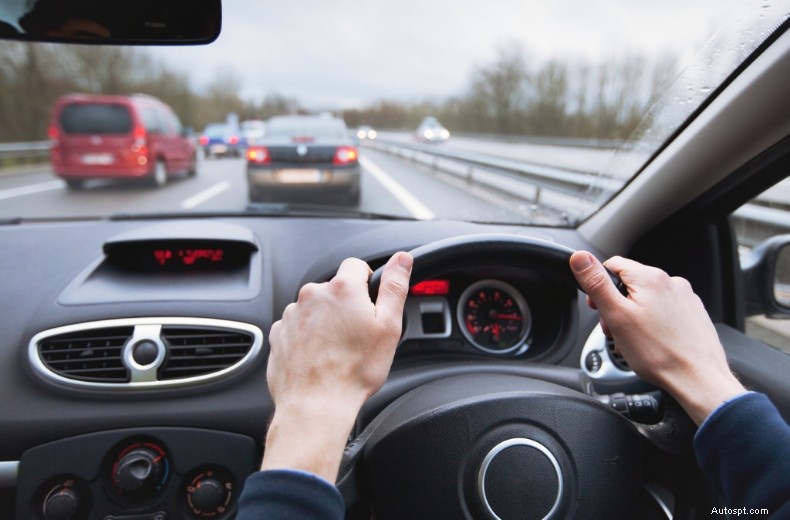
We’ve all set off on a car journey later than we should have done, or been sat in traffic behind a motorist taking things a little slower than we hoped. Despite the frustration, it’s important in these situations not to drive close behind other vehicles.
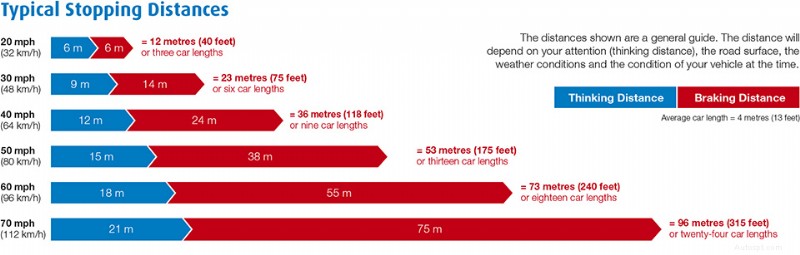
The Highway Code says you should “leave enough space between you and the vehicle in front so that you can pull up safely if it suddenly slows down or stops. The safe rule is never to get closer than the overall stopping distance”.
It’s important to leave a two-second gap between you and the vehicle in front on fast moving roads and in tunnels. This should double to four seconds on wet roads and increase further when conditions are icy.
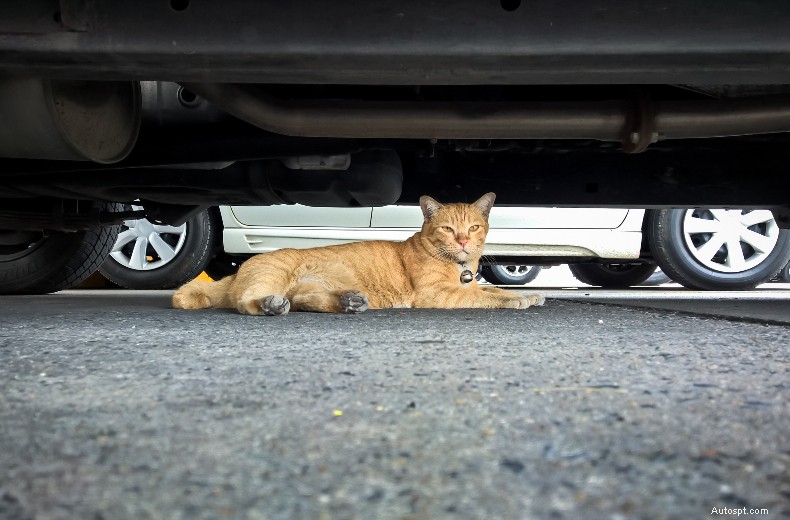
This one might not save the life of a human, but surely we’d all like to save the life of a cat too, especially when it takes such little effort.
Cats often find shelter under cars in wet and cold conditions. The smart animals will even seek out recently parked vehicles so they can bask in the heat of a warm engine.
Before you set off on your next journey, be sure to look under your car, on top of tyres and under wheel arches to avoid harming a cat by accident.
Rule 116 of the Highway Code says: “You MUST NOT use hazard warning lights while driving or being towed unless you are on a motorway or unrestricted dual carriageway and you need to warn drivers behind you of a hazard or obstruction ahead.”
If you notice that traffic has dramatically slowed down or there’s an accident up ahead on a motorway or unrestricted dual carriageway, you can warn other road users about potential dangers by temporarily putting your hazard lights on.
Brakes are often used lightly on fast moving roads, so it can be difficult to tell when we should apply them more heavily. This simple move could save lives.
You should only use hazard lights long enough to ensure your warning has been observed and remember, they can be particularly useful to other drivers on a bend or brow of a hill where visibility is reduced.
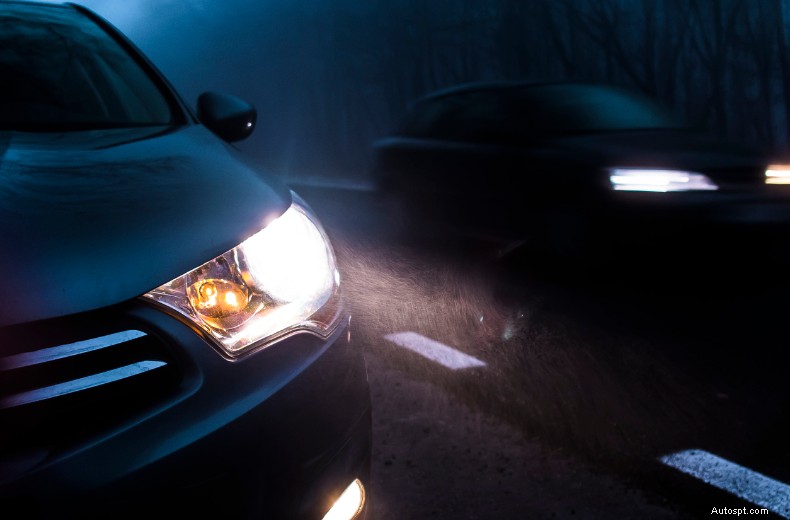
With many newer cars, sensors detect low-light conditions and automatically switch on the headlights. However, for many cars on the road, old-fashioned human intervention is needed and sometimes we simply forget to turn our lights on.
If you see a car driving in low-light conditions with their headlights switched off, a simple ‘off then on’ of your own dipped lights can work as a useful reminder.
Try to avoid flashing your full beam lights as they can dazzle other drivers.
Be wary that your meaning isn't being misinterpreted by the other drivers around you as well. In normal driving conditions you should only flash your lights at other road users to make them aware of your presence, but it's common for this action to be interpreted as showing your intention to give way to another driver.
Just be careful that you don't send the wrong message - if you're unsure, don't risk it.
