
The RAC sees a sharp increase in the volume of breakdowns when the weather turns cold, so it’s well worth taking the time to ensure you carry out the right checks on your car. Any underlying mechanical issues could escalate as temperatures plummet.
Follow our guide to help avoid breaking down this winter.
Caravan or motorhome driver? Check out our specific advice for towing and motorhomes.
We suggest you remember and use the acronym FORCES for the regular ‘DIY checks’ you should carry out through the winter and especially as we head into another icy blast.
That's Fuel, Oil, Rubber, Coolant, Electrics, Screen wash
Check you have plenty of fuel in your tank for your journey.
It may sound obvious but you would be surprised how many people run out of fuel and with temperatures as low as expected you really don’t want get stranded.
Our patrols check the oil level on every vehicle they attend and surprisingly they find one in three are dangerously low on oil. This can cause a breakdown or lead to catastrophic engine damage at worst.
You should check your oil level is between the minimum and maximum mark on your car's dipstick and top up if necessary. If you're unsure, we have a guide on how to check your car's oil.
For the type of oil you need to use, you should refer to your owner’s handbook or speak to your local dealer.
You'll need to check your tyres and your wiper blades before you set off.
Check your tyres for general wear and tear racks, cracks, splits or bulges, and most importantly, tread depth.
Although the minimum tread level is 1.6mm, during winter it’s advisable to have 3mm of tread on your tyres to help with traction and grip.
Also ensure that you have the correct pressure in your tyres - check your owner’s handbook for the correct inflation levels.
Your tyres are your car’s only connection to the road and it is vital that they are in good condition and correctly inflated for good traction and grip.
Next check your wiper blades. They are not everlasting and will need replacing from time-to-time, so check them for splits and cracks.
Check whether they are effective at clearing your screen and replace as necessary.
Wiper blades can get frozen to the windscreen in freezing conditions and when there is snow. In colder winters, RAC patrols see a big increase in callouts to members' cars which have blown a fuse or broken the motor/mechanics when operating the wipers when they are frozen to the screen.
So clear your windscreen and ensure that they will lift off the screen before switching them on. Use de-icer or warm water (never hot water) to free them if necessary.
Cover your windscreen with a blanket or an old sheet to keep it ice and snow free and wrap the wipers up in the sheet to avoid them sticking to the screen. Or place a strip of plastic or card between the blades and the glass.
Check your car’s coolant level. The last thing you need is a frozen engine or for your car to overheat.
Although it’s a sealed system and shouldn’t need to be topped up, you should always double check, especially before a long journey.
Check your coolant levels when the engine is cold and look in your handbook for the correct coolant and mix to use should you need to top it up.
Check your lights – they are essential for you to see and be seen.
It’s vitally important to make sure not only that you can see where you’re going but also that other drivers can see you. Walk around your car and make sure all lights are working and that they are free from dirt, grime and snow.
Lights get extremely dirty during the winter months so clean them on a regular basis.
With a cold engine, check the battery terminals under the bonnet are clean and tight.
If your car struggles to start and the engine ‘labours’ when you turn the key you should get it checked by a garage. If your battery is over four years old it may be getting to the end of its life and it could let you down.
If you are having your battery tested, ask a garage to check the charging system and the drain on your battery – this will give a better picture of your car’s overall electrical health.
RAC patrols deal with over 400,000 battery related faults every winter as the cold weather takes its toll on older tired batteries and the wet and ice conditions play havoc with the electrics. Batteries have to work that much harder in cold conditions and they have endure greater demand from extra electrical equipment like the lights and the heater.
Check your screen wash level and top up with a quality screen wash additive or pre-mix which is effective down to at least -15 degrees celsius.
There’s more muck and dirt on the roads during the winter, as well as salt, so it’s important to make sure you can keep your windscreen clean. And remember to keep checking and topping up the level as you use the screenwash up.
In colder conditions, RAC patrols are called out to motorists whose screen wash has completely frozen in the tank – so it is vital that you remember to use a quality additive that protects down to very low temperatures.
In addition to the above checks there are a number of symptoms your car can display letting you know something might need looking at. Read our 10 checks to prevent a breakdown, to find out what you should be looking out for which are well worth checking your car for.
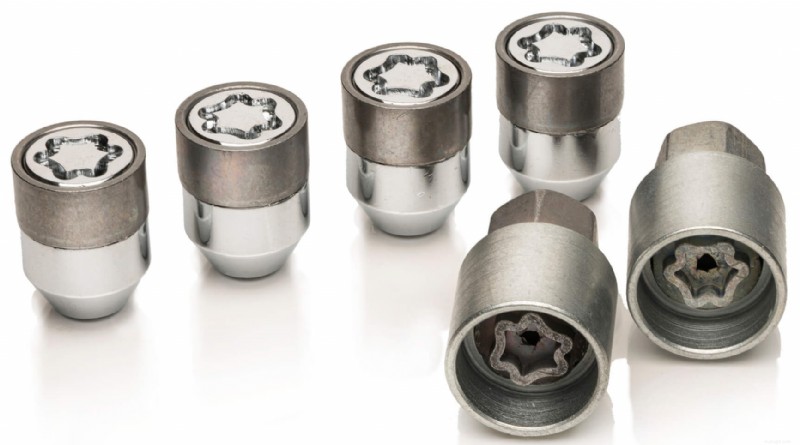
These keys are designed to make sure that your wheel and alloys can't be stolen. However, they're also used to change your wheel or tyres following an issue. They are used to remove or tighten the wheel nuts.
Locking wheel nut keys are kept in a small bag or box within your vehicle. Normally, they're stored underneath the spare wheel in the boot, or in your glove compartment. In some models of cars, the bag or box is stored under one of the seats.
Make sure you know where these are, as you'll be asked to hand them over to a mechanic after a breakdown so they can try and resolve the problem with your car.
If you’re towing or driving a motorhome all the above advice is important; additionally, it’s worth considering replacing your battery before winter as you’ll be using extra heating and lighting which can take its toll. It’s also worth double-checking tyres they can deteriorate much more quickly than on vehicles that are used regularly.
In poor weather you’ll need to use even longer stopping distances than normal and take it slow, it’s worth considering not travelling if you have any concerns. Keep an eye on weather forecasts and if bridges are closed to high-sided vehicles, avoid that route if you’re towing or driving a motorhome.
Iain Geddes Senior Technical Adviser, The Camping and Caravanning Club, says "Winter camping can be a wonderful experience, seeing a whole different side to the great outdoors. But if campers are concerned about hitting the roads in winter conditions, then specialist breakdown provision for caravan and motorhome owners with Arrival Breakdown Cover from the RAC is a great way to get peace of mind."
